Strict adherence to organic certification standards dictates the selection of every consumable used in organic beekeeping models. To maintain organic status, you must avoid all synthetic chemical pesticides and conventional feed sources, instead utilizing treatments based on organic acids or natural essential oils and certified organic nutritional supplements.
The integrity of organic beekeeping relies entirely on the purity of its inputs. Every consumable—from mite treatments to winter feed—must be certified to prevent chemical contamination, ensuring consumer trust and verifying that the final product is free of pesticide residues and GMOs.
Managing Colony Health Without Synthetics
The Ban on Synthetic Pesticides
In conventional beekeeping, synthetic chemicals are often used for pest control. In an organic model, these are strictly prohibited.
The primary requirement is that products like honey and royal jelly must remain free of pesticide residues to meet certification criteria.
Approved Treatments for Varroa Mites
To control pests such as Varroa mites, you must utilize treatments derived from natural sources.
The specific requirements include using organic acids—specifically formic acid or oxalic acid—or treatments based on natural plant essential oils. These substances effectively manage pest populations without compromising the chemical purity of the hive products.
Maintaining Purity in Supplemental Feeding
Combating Nectar Scarcity
During harsh weather or periods when natural nectar is scarce, feeding the colony is necessary for survival.
However, you cannot use standard store-bought sugar. The requirement is to use organic-certified honey, organic syrup, or organic sugar as supplementary feed.
The Zero-Tolerance Policy for GMOs
The strict requirement for organic feed is designed to prevent the introduction of Genetically Modified Organisms (GMOs).
Conventional sugar sources often contain GMOs or pesticide residues. By using certified organic feed, you protect the colony from the start of the food chain and ensure the organic integrity of the final product.
Infrastructure and Traceability Requirements
Wax Foundations and Equipment
Physical consumables, such as wax foundations and comb frames, must align with organic standards.
High-quality consumables are required to protect colony health and maintain the sensory quality of the honey. This includes proper protective clothing and filling bottles that ensure hygiene and reduce material loss during production.
The Role of Traceability Consumables
In organic models, "consumables" also include the tools used for documentation, such as specialized labels, recording forms, and digital management tools.
These are not optional; they are essential for providing physical evidence of your organic status. They verify that all inputs, disease prevention measures, and animal welfare practices are transparent and compliant.
Understanding the Trade-offs
Higher Operational Costs
Switching to organic consumables almost invariably increases production costs. Organic sugar and certified treatments are significantly more expensive than their conventional counterparts.
Management Intensity
Using organic acids for pest control often requires more precise timing and temperature management than synthetic strips.
There is little room for error; improper application can either fail to control the mites or harm the bees. You must balance strict compliance with skilled management to ensure colony survival.
Making the Right Choice for Your Goal
To successfully navigate organic beekeeping requirements, align your consumable purchases with your specific production objectives:
- If your primary focus is Regulatory Compliance: Prioritize the use of traceability consumables like digital tools and logs to create an audit-proof record of every input.
- If your primary focus is Product Purity: Invest strictly in organic acids for pest control and certified non-GMO feed to guarantee a residue-free analysis for your honey.
Ultimately, every consumable you introduce to the hive acts as a building block for the credibility and value of your final product.
Summary Table:
| Category | Requirement for Organic Models | Purpose / Benefit |
|---|---|---|
| Pest Control | Organic acids (formic/oxalic) & essential oils | Eliminates synthetic pesticide residues |
| Feeding | Certified organic honey, syrup, or sugar | Prevents GMO contamination and chemical intake |
| Wax/Equipment | Natural wax foundations & high-quality hardware | Maintains hive purity and sensory quality |
| Documentation | Labels, digital logs, and recording forms | Provides physical evidence for certification audits |
| Standards | Strict zero-tolerance for synthetic chemicals | Ensures regulatory compliance and consumer trust |
Elevate Your Organic Operation with HONESTBEE
Transitioning to organic beekeeping requires precision and the right equipment. HONESTBEE supports commercial apiaries and distributors with a comprehensive wholesale range of high-quality beekeeping tools and machinery. From specialized hive-making and honey-filling machines to essential industry consumables, we provide the hardware you need to maintain purity and maximize efficiency.
Partner with us to scale your production while meeting the highest industry standards. Contact HONESTBEE today to discuss our wholesale offerings and how we can support your business growth.
References
- Raquel P. F. Guiné, Cristina A. Costa. Characterization of Beekeepers and Their Activities in Seven European Countries. DOI: 10.3390/agronomy11122398
This article is also based on technical information from HonestBee Knowledge Base .
Related Products
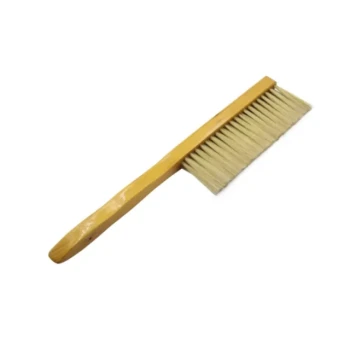
- Wooden Bee Brush with Triple Row Artificial Fiber for Beekeeping
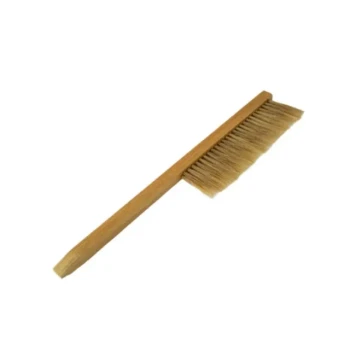
- Classic Wooden Bee Brush with Double-Row Boar Bristles
- Stainless Steel Honey Bee Smoker Hive and Honeycomb Smoker for Beekeeping
- Miniature Stainless Steel Bee Smoker for Beekeeping
- Professional Bee Smoker with Elongated Spout and Durable Bellows for Beekeeping
People Also Ask
- What is the specific function of a bee brush? Ensure Pure Harvests and Colony Welfare During Honey Extraction
- What are the key characteristics of the bristles on a bee brush? Master Gentle and Efficient Bee Removal
- What is the purpose of using a bee brush during the inspection of hive components? Safe & Precise Hive Management
- What problem does a bee brush solve? Protect Your Colony with Gentle Precision Tools
- Why is a bee brush necessary when extracting honeybee hive frames that contain larvae? Protect Your Brood and Colony