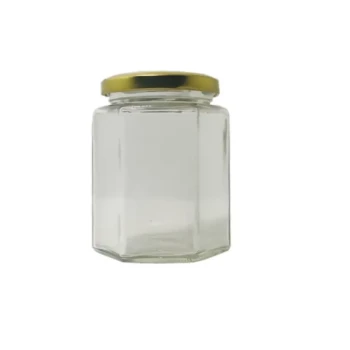
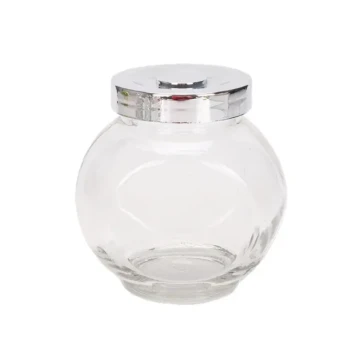
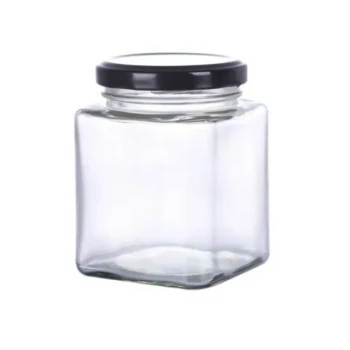
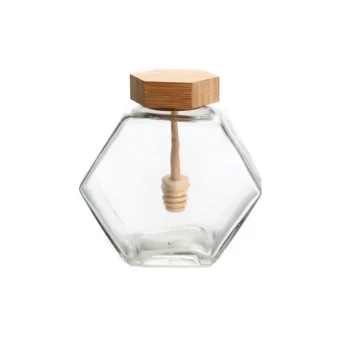
Packaging materials for organic honey must prioritize three specific criteria: environmental sustainability, absolute chemical safety, and superior sealing capabilities. To comply with organic standards, the material must be chemically inert to ensure no harmful substances migrate into the honey, while simultaneously providing a hermetic seal to block external contaminants and extend shelf life.
The ideal packaging solution balances the strict prohibition of synthetic chemical residues with functional necessities, such as preventing moisture absorption and ensuring physical durability during transport.
Ensuring Chemical Safety and Purity
Preventing Substance Migration
The primary requirement for organic honey packaging is safety regarding chemical migration. Because honey is slightly acidic, it can interact with certain container materials over time.
You must select materials—typically high-quality glass or food-grade plastics—that are chemically stable. This ensures that no harmful substances or synthetic coatings leach from the packaging into the honey, preserving the product's health benefits and organic status.
Adhering to Organic Principles
Organic integrity extends beyond the hive to the final package. Just as beekeeping equipment must be free of synthetic chemicals, the final packaging must not utilize materials capable of leaving residues.
Using materials with harmful coatings or volatile compounds violates the core principles of organic agriculture. The packaging must safeguard the "organic integrity" established at the source.
Functional Requirements for Preservation
Combating Moisture Absorption
Honey is hygroscopic, meaning it naturally attracts and absorbs moisture from the surrounding air. If packaging fails to isolate the honey effectively, the water content will rise.
Excess moisture leads to dilution and eventually fermentation, which spoils the honey. Therefore, the packaging must possess excellent sealing properties to maintain the honey's natural bioactivity and prevent spoilage.
Durability in Logistics
Beyond chemical properties, the physical attributes of the material determine the safety of the product during distribution. Packaging must be durable enough to prevent leaks and breakage during logistics.
Selecting materials that are robust yet lightweight helps secure the product against physical damage while optimizing transportation costs.
Environmental and Aesthetic Standards
Environmental Footprint
The primary reference explicitly states that materials must be "environmentally friendly." This aligns the packaging with the consumer's expectation of an organic product.
Materials should be recyclable or selected to minimize the environmental footprint. This is not just a regulatory preference but a critical component of the product's market positioning.
Visual Quality and Branding
The packaging serves as the medium for branding and directly impacts the perceived value of the honey. High-quality containers protect the product while enhancing its visual appeal.
Clear materials (like glass or high-clarity plastics) allow the consumer to inspect the purity and consistency of the honey, which is a key selling point for organic goods.
Understanding the Trade-offs
While the ideal material meets all criteria, you will often face a choice between Glass and Plastic.
Glass offers the highest level of chemical inertness and premium appeal, making it the gold standard for preventing migration and moisture. However, it is heavy and fragile, which increases shipping costs and the risk of breakage.
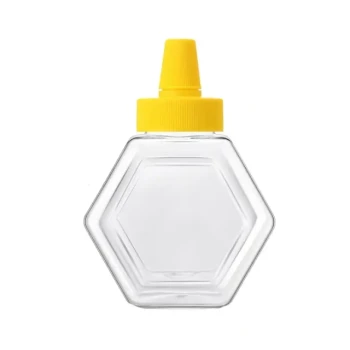
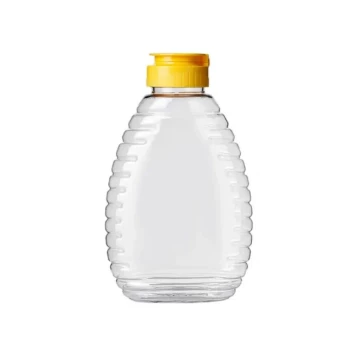
Food-Grade Plastic is lightweight, durable, and cost-effective for logistics. However, you must be rigorous in selecting high-grade, chemically stable plastics to ensure they do not react with the honey's acidity or allow substance migration, which would compromise the organic certification.
Making the Right Choice for Your Goal
To select the best packaging for your specific context, weigh your priorities:
- If your primary focus is premium market positioning: Choose high-quality glass containers to maximize chemical stability and consumer perception of purity.
- If your primary focus is logistics and distribution efficiency: Select lightweight, recyclable, food-grade plastics that offer high durability and lower shipping costs without compromising safety.
- If your primary focus is long-term shelf life: Prioritize the sealing mechanism above all else to prevent moisture absorption and fermentation.
Ultimately, the right packaging acts as a guardian, locking in the natural bioactivity of the honey while keeping environmental pollutants out.
Summary Table:
| Requirement Category | Key Criteria | Preferred Materials |
|---|---|---|
| Chemical Safety | Non-reactive, zero substance migration | Glass, BPA-free food-grade plastics |
| Preservation | Hermetic sealing, moisture barrier | High-quality lids, induction seals |
| Sustainability | Recyclable, eco-friendly footprint | Glass, high-clarity recyclable PET |
| Logistics | Physical durability, weight efficiency | Reinforced glass, lightweight food plastics |
| Marketing | Visual clarity, premium branding | Clear flint glass, transparent containers |
Secure Your Organic Integrity with HONESTBEE
Protect the purity of your harvest with packaging that meets the highest organic standards. HONESTBEE provides commercial apiaries and distributors with premium, food-safe beekeeping tools, honey-processing machinery, and a wide array of specialized consumables. From honey-filling machines to high-durability containers, we offer the end-to-end equipment you need to maintain product quality from the hive to the shelf.
Ready to elevate your production? Contact our experts today to source wholesale packaging and machinery tailored to your business needs.
References
- Jelena Vapa–Tankosić, Бојан Вапа. SUSTAINABLE AGRICULTURE WITHIN THE FRAMEWORK OF THE COMMON AGRICULTURAL POLICY: ORGANIC BEEKEEPING IN THE REPUBLIC OF SERBIA AND THE EUROPEAN UNION. DOI: 10.46793/83138.005.153vt
This article is also based on technical information from HonestBee Knowledge Base .
Related Products
- Hexagonal Glass Honey Jars with Metal Lug Caps Elegant Versatile Packaging
- Small Honey Filling Machine Sachet Packing Equipment Single Nozzle
- Honey Stick Filler Vertical Paste Sachet Packing Machine for Honey Sachets
- Food Grade Plastic Honey Bucket Pail for Beekeeping
- Automatic Single-Dose Snap & Squeeze Honey Sachets Packing Machine
People Also Ask
- What is the aesthetic appeal of using glass jars for honey? Elevate Your Brand with Premium Packaging
- What are the logistical challenges associated with using glass jars for honey packaging? Navigating Weight & Fragility
- What are the advantages of glass containers for honey? Elevate Quality and Market Value with Premium Packaging
- What are the technical advantages of using glass jars for honey? Master Commercial Packaging for Premium Purity
- What are the advantages of using glass jars for honey packaging? Preserve Purity & Elevate Your Brand