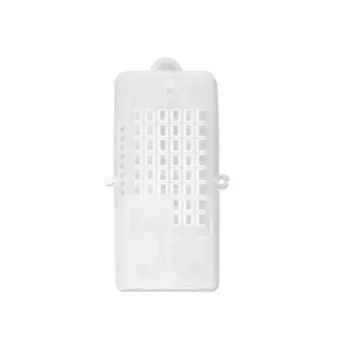
On Day 12-13 of queen rearing, the mating box setup involves populating each compartment with three frames containing open brood, food stores, and bees. To ensure the new colony anchors successfully, you must move the box at least two miles away from the donor source and restrict the entrance with grass to force re-orientation.
The success of a mating nuc relies on preventing population loss and aiding queen navigation. By forcing a relocation of at least two miles and providing distinct landmarks, you ensure the bees remain to care for the brood and the queen can successfully find her way home.
Resource Allocation and Population
Establishing the Core Resources
You must place three frames into each compartment of the mating box. These frames should contain a mix of open brood, food stores (honey and pollen), and the bees currently covering them.
The Critical Safety Check
It is vital to ensure that no existing queens are accidentally transferred from the donor hives on these frames. If a queen is introduced, the colony will likely destroy the new queen cell you are attempting to hatch.
Strategic Location and Orientation
The Two-Mile Rule
Ideally, you should move the mating box at least two miles away from the donor colonies.
Preventing Population Drift
Moving the box this distance is essential to prevent bees from drifting back to their original hives. If the bees return to their old location, the mating box will be left with insufficient population to care for the brood or keep the new queen warm.
Leveraging Visual Landmarks
Position the box near a distinctive landmark, such as a tree line. This provides a visual anchor that helps the queen orient herself and successfully locate the hive upon returning from her mating flight.
Controlling the Initial Exit
The Grass Method
Once the frames are in place, you must stuff grass into the opening of each compartment.
Forcing Re-orientation
The grass acts as a temporary barrier. As the bees work to chew through or remove the grass, the delay forces them to recognize they are in a new location, triggering re-orientation flights rather than an immediate return to their previous home.
Common Pitfalls to Avoid
The Risk of Proximity
If you fail to move the box the recommended two miles, older field bees will almost certainly navigate back to their original hive. This results in a depopulated mating nuc, chilled brood, and potential failure of the queen cell.
Ignoring Landmarks
Placing mating boxes in featureless areas makes it difficult for a returning queen to distinguish her hive from others. This increases the risk of her entering the wrong colony or becoming lost, resulting in the loss of the queen.
Ensuring Queen Survival
To maximize your success rate, tailor your setup focus to your specific risks:
- If your primary focus is colony strength: Prioritize moving the box at least two miles away to prevent field bees from abandoning the new unit.
- If your primary focus is queen return: Ensure the box is placed near high-contrast landmarks like tree lines to guide her navigation.
By strictly managing location and resources on Day 12, you create the stable environment necessary for the queen's emergence and mating.
Summary Table:
| Key Setup Step | Action Required | Importance |
|---|---|---|
| Resource Allocation | 3 frames (open brood, food, bees) | Provides food and warmth for the queen cell |
| Safety Check | Remove existing queens | Prevents destruction of the new queen cell |
| Relocation | Move 2+ miles from donor hive | Prevents population loss due to bee drifting |
| Entrance Control | Block with grass | Forces bees to re-orient to the new location |
| Orientation Aid | Place near distinct landmarks | Helps the queen find her way home after mating |
Scale Your Apiary Operations with HONESTBEE
Successful queen rearing is the foundation of a thriving apiary, but having the right equipment is what makes the process efficient and profitable. HONESTBEE specializes in supporting commercial apiaries and distributors by providing a comprehensive wholesale range of beekeeping essentials.
Whether you need specialized hive-making machinery, high-precision honey-filling machines, or a bulk supply of durable mating nucs and hive hardware, we deliver the tools you need to grow. Our portfolio extends from heavy-duty machinery to industry consumables and honey-themed cultural merchandise, ensuring your business stays ahead of the curve.
Ready to upgrade your equipment or stock your distribution business?
Contact HONESTBEE Today to discuss our wholesale offerings and discover how our expertise can drive your success.
Related Products
- Portable Bee Mating Hive Boxes Mini Mating Nucs 8 Frames for Queen Rearing
- Styrofoam Mini Mating Nuc Box with Frames Feeder Styrofoam Bee Hives 3 Frame Nuc Box
- Automatic Heat Preservation 6 Frame Pro Nuc Box for Honey Bee Queen Mating
- Twin Queen Styrofoam Honey Bee Nucs Mating and Breeding Box
- 4 Frame Plastic Nuc Boxes for Beekeeping Bee Nuc Box
People Also Ask
- How do specialized queen-rearing frames and mating boxes boost off-season bee production? Optimize Your Apiary's Output
- What are the approximate weights of different types of 8-frame beehive boxes? Lift Smarter for Your Apiary
- What role does the structural configuration of beekeeping mating boxes play? Optimize Queen Mating Success
- What is an 8 frame box and why is it popular? A Lighter, More Ergonomic Hive Solution
- What role do portable mating nucs play in geographic isolation breeding? Secure Genetic Purity in Remote Locations