A modern bee smoker relies on a simple yet effective pneumatic design. It is fundamentally constructed of three distinct structural elements: a fire chamber (or firebox) to contain the smoldering fuel, a nozzle to direct the output, and a bellows system that pumps fresh air to maintain combustion and expel the smoke.
The effectiveness of a bee smoker lies not just in holding fire, but in managing airflow. The structure is specifically engineered to feed oxygen from the bottom up, ensuring the fuel smolders rather than flares, producing the cool, white smoke necessary to calm bees without harming them.
The Combustion Assembly
The core of the smoker is the metal cylinder, commonly referred to as the firebox. This section handles the containment of fuel and the direction of the smoke.
The Fire Chamber (Firebox)
This is typically a stainless steel cylinder designed to withstand high heat. It acts as the primary reservoir for your fuel source, such as pine needles, burlap, or wood pellets.
The Aeration Grid
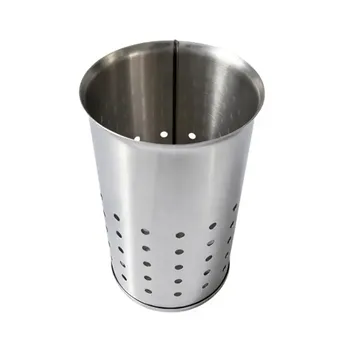
Located inside the firebox, near the bottom, you will often find a grid or an inner cup. This component is critical because it elevates the fuel off the floor of the chamber. This gap allows air to flow underneath and around the fuel source, facilitating the "chimney effect" required to keep the fire smoldering.
The Lid and Nozzle
The top of the cylinder is capped with a hinged lid that tapers into a directional nozzle. The conical shape of the nozzle compresses the smoke as it exits, allowing the beekeeper to aim puffs precisely into the hive entrance or across the frames.
The Air Delivery System
Attached to the side of the fire chamber is the mechanism responsible for driving the entire process.
The Bellows
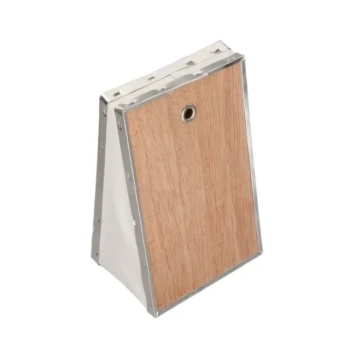
The bellows consist of two hinged plates connected by a flexible covering (often leather or vinyl). When squeezed, this device acts as a manual air pump.
The Air Injection Path
The bellows align with a small intake hole at the base of the fire chamber. When you compress the bellows, a blast of fresh oxygen is forced through this opening, under the aeration grid, and up through the fuel. This action simultaneously stokes the embers and pushes a cloud of smoke out through the nozzle.
Safety and Utility Features
While the chamber and bellows are the functional core, modern smokers incorporate additional exterior components to ensure operator safety and convenience.
The Heat Shield (Wire Cage)
Because the internal fire causes the metal cylinder to become dangerously hot, most modern units are encircled by a wire frame or safety cage. This creates a buffer zone to prevent accidental burns to the beekeeper's hands or legs.
The Mounting Hook
A small metal hook is often attached to the bellows or the heat shield. This allows the user to temporarily hang the hot smoker on the side of the hive box, keeping it accessible but out of the way during inspections.
Common Pitfalls to Avoid
Understanding the structural limitations of a smoker is just as important as knowing its parts.
Impact of a Missing Grid
If the internal aeration grid is missing or installed incorrectly, fuel will sit flat against the bottom air intake. This restricts oxygen flow, causing the fire to extinguish frequently or requiring excessive pumping to stay lit.
Bellows Material Degradation
The flexible material of the bellows is the weak point of the system. Over time, poor-quality vinyl can crack, or leather can dry out. Once the bellows lose their airtight seal, the smoker loses the pressure needed to direct smoke effectively.
Making the Right Choice for Your Goal
When selecting or maintaining a smoker, prioritize the components that align with your usage requirements.
- If your primary focus is safety: Ensure the model includes a robust wire heat shield that fully encompasses the fire chamber to prevent accidental burns.
- If your primary focus is reliability: Verify the presence and quality of the internal aeration grid, as this is the deciding factor in keeping your smoker lit during long inspections.
- If your primary focus is longevity: Look for a stainless steel firebox and durable bellows material that can withstand frequent compression without cracking.
A well-constructed smoker is more than a metal can; it is a precision tool that balances oxygen and fuel to keep your apiary manageable and safe.
Summary Table:
| Component | Primary Function | Key Features |
|---|---|---|
| Fire Chamber (Firebox) | Fuel containment | Stainless steel, high-heat resistance |
| Bellows System | Air delivery & oxygenation | Manual pump, flexible leather or vinyl |
| Nozzle & Lid | Smoke compression & direction | Conical shape, hinged for easy loading |
| Aeration Grid | Airflow optimization | Elevates fuel to maintain combustion |
| Heat Shield | Operator safety | Protective wire cage to prevent burns |
Upgrade Your Apiary with Professional Tools from HONESTBEE
At HONESTBEE, we understand that reliable equipment is the backbone of a successful beekeeping operation. As a premier partner for commercial apiaries and distributors, we provide a comprehensive wholesale range of beekeeping tools, machinery, and essential consumables.
Whether you need precision honey-filling machines, durable hive-making hardware, or professional-grade bee smokers that stand the test of time, we deliver the quality your business deserves. Our portfolio also extends to unique honey-themed cultural merchandise to help you stand out in the market.
Ready to scale your production or restock your inventory?
Contact Us Today to discuss our wholesale offerings and discover how HONESTBEE can power your apiary's growth.
Related Products
- Stainless Steel Honey Bee Smoker Hive and Honeycomb Smoker for Beekeeping
- Professional Bee Smoker with Elongated Spout and Durable Bellows for Beekeeping
- Heavy Duty Manual Bee Smoker Blower for Beekeeping
- Premium Traditional Copper Bee Smoker with Bellows
- European Stainless Steel Bee Smoker for Honey Bee Hive
People Also Ask
- What are bee smokers made out of? Choose the Right Material for Your Apiary
- What type of bee smoker is recommended for a beginner? Top Picks for Easy Hive Management
- Why is a stainless steel bee smoker considered indispensable? Master Hive Management with Cool Smoke Technology
- How do bee smokers and colored light sources work together to assist in night-time honey harvesting? Expert Strategies
- What is the best material for a bee smoker? Choose the Right Fuel for a Calm Hive