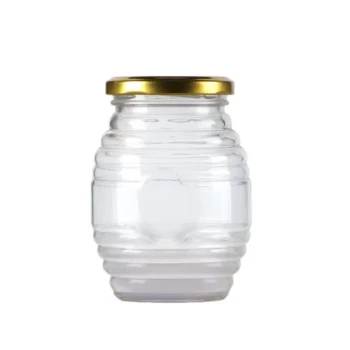
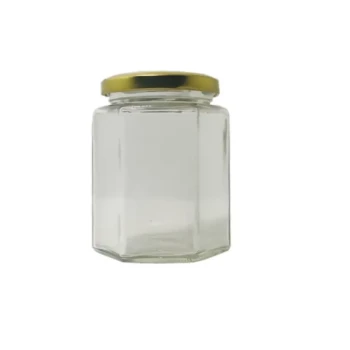
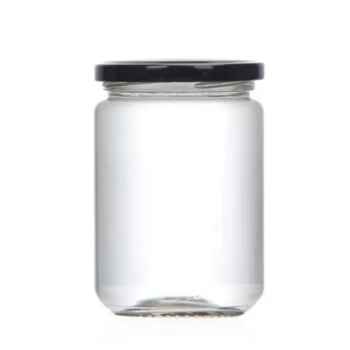
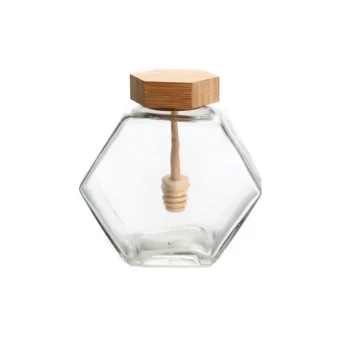
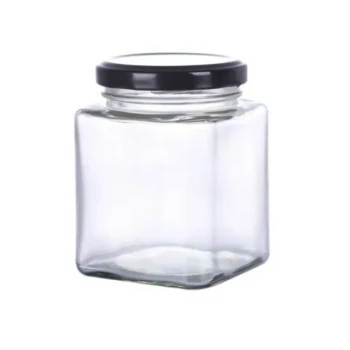
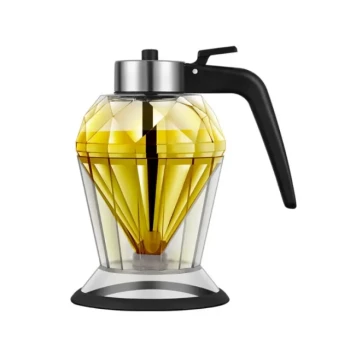
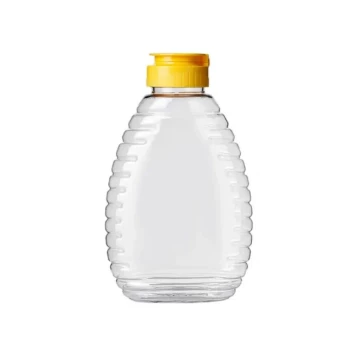
Dedicated glass bottles provide a scientifically superior environment for forest honey due to their high chemical inertness and impermeability. This packaging acts as an effective barrier against oxygen and moisture, critically preventing oxidation and spoilage while allowing for the standardization necessary for consistent yield tracking and pricing strategies.
Core Takeaway Glass packaging serves a dual function: it physically isolates the honey to prevent fermentation and flavor loss, while simultaneously positioning the product as a premium asset suitable for high-end retail through enhanced traceability and visual standardization.
The Science of Preservation
Chemical Inertness and Purity
Glass is a non-porous, chemically inert material. Unlike some plastics, it does not react with the acidic nature of honey, ensuring the product maintains its original chemical composition and purity over long storage periods.
The Moisture Barrier
Honey is highly hygroscopic, meaning it naturally absorbs moisture from the air. Glass provides a superior seal that effectively isolates the honey from humidity, preventing the water content from rising to levels that would cause fermentation or spoilage.
Preventing Oxidation
By offering a high barrier against oxygen, glass prevents oxidative processes that degrade honey quality. This protection is critical for retaining the characteristic aroma and flavor profiles specific to forest honey varieties.
Standardization and Market Technicalities
Consistent Yield and Pricing
Using standardized dedicated glass packaging allows producers to establish consistent yield statistics. This technical standardization is essential for developing reliable pricing strategies and managing inventory metrics accurately.
Visual Quality Control
The high transparency of glass serves a functional purpose beyond aesthetics. It allows both producers and consumers to visually inspect the color, consistency, and crystallization state of the honey, effectively lowering the barrier to purchase by validating quality instantly.
Traceability and Brand Positioning
Glass packaging helps meet the stringent traceability requirements of high-end retail markets. Its use signals a premium product, distinguishing forest honey in the luxury market and reinforcing brand image through a perception of sustainability and quality.
Understanding the Trade-offs
Fragility and Logistics
While chemically superior, glass has low impact resistance compared to plastic. This requires more robust secondary packaging to prevent breakage during transport, potentially increasing logistical complexity.
Weight and Transport Costs
Glass is significantly heavier than plastic alternatives. This results in higher shipping costs and a larger carbon footprint strictly regarding transportation, which must be weighed against the reusability and recyclability benefits of the material.
Making the Right Choice for Your Goal
To determine if glass is the correct technical choice for your forest honey, consider your primary objective:
- If your primary focus is product integrity and longevity: Choose glass to maximize shelf life, prevent fermentation, and lock in volatile aroma compounds.
- If your primary focus is high-end retail placement: Choose glass to meet traceability standards and leverage transparency for consumer trust and premium pricing.
- If your primary focus is logistics optimization: Acknowledge that glass will require higher upfront investment in protective shipping materials compared to flexible packaging.
Glass transforms packaging from a simple container into a tool for quality assurance and market validation.
Summary Table:
| Technical Aspect | Glass Packaging Benefit | Impact on Honey Quality |
|---|---|---|
| Material Purity | Chemically inert and non-porous | Prevents chemical reactions and maintains original flavor profile |
| Moisture Control | Superior hermetic seal | Stops moisture absorption and prevents fermentation/spoilage |
| Oxidation Barrier | High oxygen impermeability | Protects against degradation of delicate forest honey aromas |
| Visual Inspection | High transparency | Allows instant monitoring of color, consistency, and crystallization |
| Market Logistics | Standardized dimensions | Facilitates accurate yield tracking and consistent pricing strategies |
Elevate Your Honey Brand with HONESTBEE
At HONESTBEE, we understand that premium forest honey requires packaging and processing solutions that reflect its value. As a dedicated partner to commercial apiaries and global distributors, we provide the comprehensive tools you need to scale your operations and maintain product integrity.
From high-precision honey-filling machines designed for standardized glass packaging to a complete range of beekeeping equipment and specialized hardware, we empower your business to meet the most stringent quality standards. Whether you are looking to optimize your production line or source essential industry consumables, our wholesale offerings are tailored to your success.
Ready to upgrade your production capabilities?
Contact HONESTBEE Today to Explore Our Wholesale Solutions
References
- Dwiko Budi Permadi, Ratih Madya Septiana. Socio-technical Aspects of Smallholder Beekeeping Adoption of Apis cerana in Wanagama Teaching Forest, Gunungkidul, Yogyakarta. DOI: 10.21059/buletinpeternak.v45i1.58435
This article is also based on technical information from HonestBee Knowledge Base .
Related Products
- Classic Glass Honey Jar with Metal Lug Cap for Beehive Storage
- Hexagonal Glass Honey Jars with Metal Lug Caps Elegant Versatile Packaging
- Classic Drum Shaped Glass Honey Jar with Airtight Lid
- Classic Round Glass Honey Jar with Lid
- Hexagonal Glass Honey Jar with Wooden Lid Integrated Dipper Elegant Functional Storage
People Also Ask
- What are the benefits of glass jars regarding strength and safety for storing honey? Ensure Purity and Long-Term Quality
- What are the advantages of using glass jars for honey storage? Ensure Purity and Premium Appeal for Your Product
- What are the benefits of using high-transparency Glass Jars for honey? Elevate Purity and Premium Branding
- What is the aesthetic appeal of using glass jars for honey? Elevate Your Brand with Premium Packaging
- Which container is best for storing honey? Preserve Purity & Flavor with the Right Choice