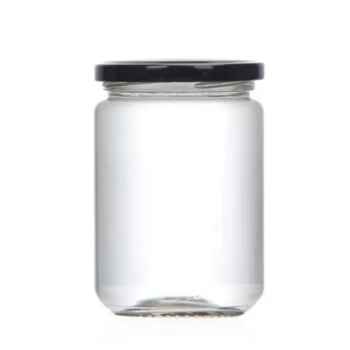
The technical superiority of high-quality wide-mouth glass jars lies in their ability to act as a hermetic, chemically neutral vault for biological samples. By providing a chemically inert environment and an exceptional seal, these containers ensure that honey samples do not undergo physical or chemical changes—such as moisture absorption, oxidation, or plasticizer contamination—thereby guaranteeing that laboratory results reflect the sample's true field condition.
Core Takeaway While other materials offer logistical benefits like durability, glass jars are the definitive choice for maintaining analytic fidelity. They are the only storage medium that fully eliminates the variables of chemical leaching, gas permeability, and moisture ingress, ensuring that sensitive markers like pollen grains, enzymes, and volatile compounds remain unaltered for subsequent analysis.
Chemical Inertness and Sample Purity
Eliminating Contamination Risks
Glass is fundamentally non-reactive. Unlike plastic containers, which carry a risk of plasticizer migration, glass eliminates the possibility of packaging materials leaching into the honey.
Preserving Original Composition
This inertness ensures that the physicochemical properties of the sample remain original. This is critical for accurate testing, as foreign chemical introduction could skew results regarding authenticity or safety.
Maintenance of Sensory Profiles
Because glass does not interact with the sample, it prevents the absorption of external odors or the alteration of the honey's natural flavor. This preserves the sample's sensory profile for precise organoleptic evaluation in the lab.
Control of Environmental Variables
Managing Hygroscopicity
Honey is highly hygroscopic, meaning it naturally attracts moisture from the air. High-quality glass jars with screw caps provide a superior airtight seal, which is essential for locking out atmospheric moisture.
Stabilizing Moisture Content
By preventing moisture ingress, glass containers keep the honey's moisture content stable (often within the standard 16%–18% range). This stability is a prerequisite for valid quality analysis and fermentation prevention.
Prevention of Oxidation
The hermetic seal of a glass jar effectively creates a barrier against oxygen. This suppresses oxidation reactions and enzymatic browning, maintaining the honey's color and preventing the degradation of volatile flavor compounds.
Preservation of Biological Markers
Protecting Pollen Integrity
For botanical origin identification (melissopalynology), the physical state of pollen grains is paramount. Glass jars maintain the delicate structure of these grains, ensuring the accuracy and reproducibility of microscopic analysis.
Enzyme and Antioxidant Stability
When utilizing dark glass specifically, the container adds a layer of light-shielding protection. This reduces photochemical reactions that can inactivate light-sensitive enzymes and degrade antioxidant components.
Temperature Consistency
Glass maintains a stable internal environment when used in temperature-controlled storage (e.g., 4°C). This stability helps preserve acidity levels and other physicochemical parameters that might fluctuate in less thermally stable materials.
Understanding the Trade-offs
Fragility and Transport Logistics
The primary disadvantage of glass is its fragility. While it offers superior sample protection, it requires careful handling and padding during transport over rugged terrain to prevent breakage, unlike impact-resistant plastic bags.
Weight Considerations
Glass is significantly heavier than plastic alternatives. For large-scale field collection where weight is a logistical constraint, this can increase transport costs and physical burden.
Making the Right Choice for Your Goal
If your primary focus is Laboratory Accuracy: Prioritize dark, wide-mouth glass jars to eliminate chemical interference and protect light-sensitive enzymes for the most precise analytical data.
If your primary focus is Long-Term Reference Storage: Use industrial-grade glass with high-quality screw caps to ensure zero moisture ingress or oxidation over extended periods.
If your primary focus is Rugged Field Transport: Consider high-grade, sealed plastic for the transport leg to prevent breakage, but transfer to glass immediately upon arrival at the facility for stable storage.
Ultimately, glass remains the gold standard for scientific analysis because it prioritizes the integrity of the data over the convenience of the transport.
Summary Table:
| Technical Feature | Benefit for Honey Samples | Impact on Analysis |
|---|---|---|
| Chemical Inertness | Zero plasticizer migration or leaching | Guarantees sample purity and authenticity |
| Hermetic Seal | Prevents moisture ingress and oxidation | Stabilizes moisture content and volatile profiles |
| Light Shielding | Protects light-sensitive enzymes (with dark glass) | Preserves biological markers and antioxidants |
| Non-Reactive Surface | Maintenance of sensory/organoleptic profiles | Ensures accurate flavor and aroma evaluation |
Elevate Your Honey Quality Standards with HONESTBEE
At HONESTBEE, we understand that maintaining the integrity of your honey is non-negotiable for commercial success. As a premier partner for commercial apiaries and distributors, we provide more than just supplies—we provide peace of mind. Our comprehensive wholesale offering includes high-quality laboratory-grade glassware, precision honey-filling machines, and specialized beekeeping tools designed to preserve your product from hive to shelf.
Why partner with HONESTBEE?
- Precision Machinery: Efficient honey-filling and hive-making solutions.
- Premium Consumables: From inert glass storage to essential industry supplies.
- Global Distribution: Tailored support for large-scale operations and distributors.
Ready to scale your production and ensure the highest analytical standards? Contact our expert team today to explore our wholesale portfolio and custom equipment solutions.
References
- Anna‐Liisa Varis. Influence of changes in crop cultivation areas on pollen contents of honey (Research Note). DOI: 10.23986/afsci.5666
This article is also based on technical information from HonestBee Knowledge Base .
Related Products
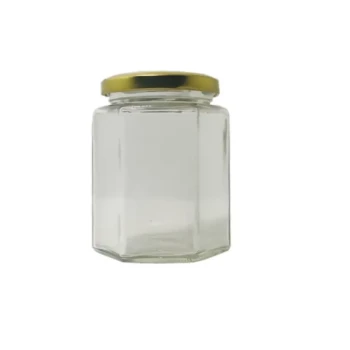
- Hexagonal Glass Honey Jars with Metal Lug Caps Elegant Versatile Packaging
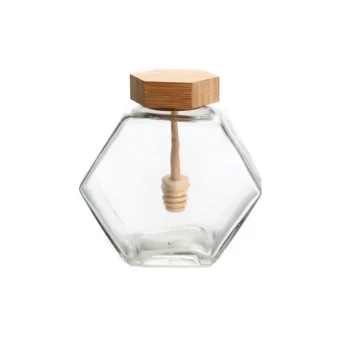
- Hexagonal Glass Honey Jar with Wooden Lid Integrated Dipper Elegant Functional Storage
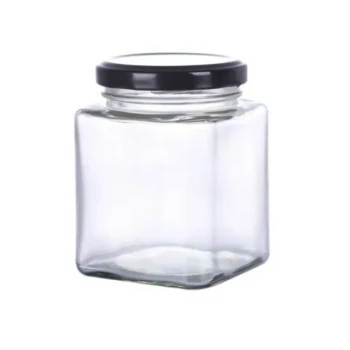
- Modern Square Glass Honey Jar with Twist Off Lid
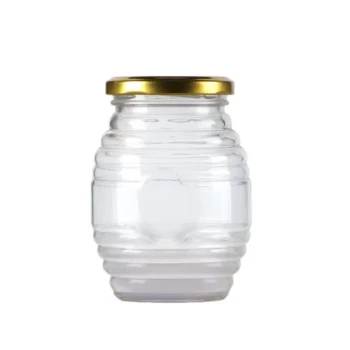
- Classic Drum Shaped Glass Honey Jar with Airtight Lid
- Classic Glass Honey Jar with Metal Lug Cap for Beehive Storage
People Also Ask
- What is the aesthetic appeal of using glass jars for honey? Elevate Your Brand with Premium Packaging
- What are the logistical challenges associated with using glass jars for honey packaging? Navigating Weight & Fragility
- What are the advantages of glass containers for honey? Elevate Quality and Market Value with Premium Packaging
- What are the technical advantages of using glass jars for honey? Master Commercial Packaging for Premium Purity
- What are the advantages of using glass jars for honey packaging? Preserve Purity & Elevate Your Brand