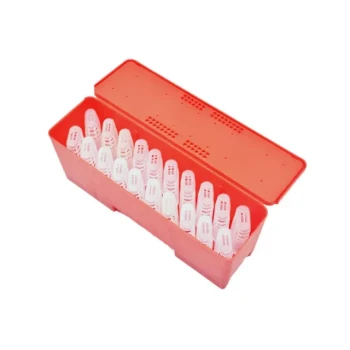
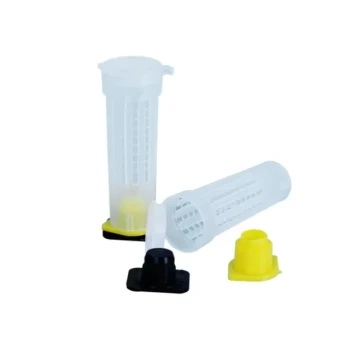
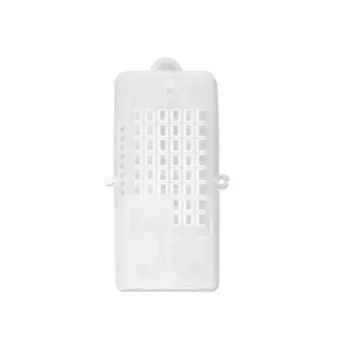
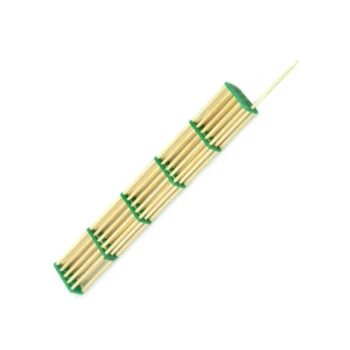
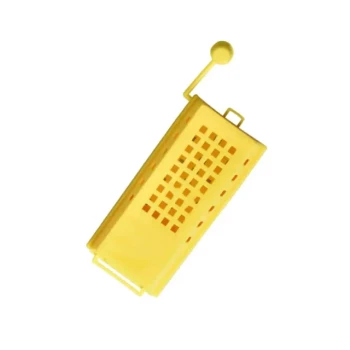
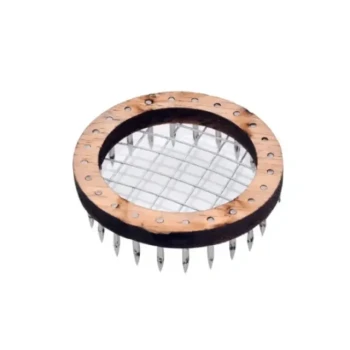
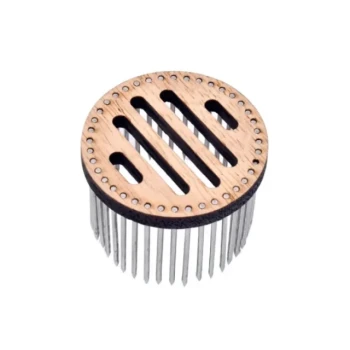
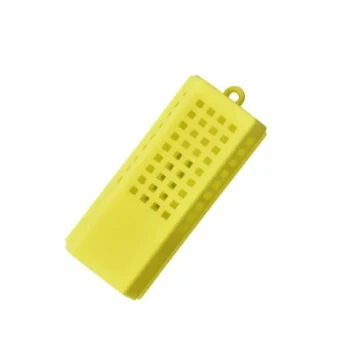
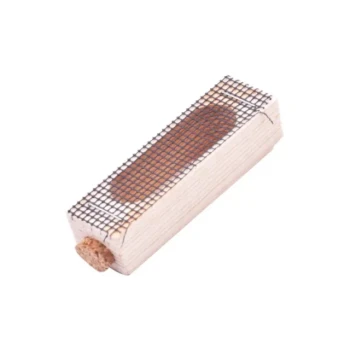
Ventilated screened cages are the industry standard for controlled honeybee laboratory research. These enclosures provide a secure physical barrier to prevent escape while utilizing a specific mesh structure to facilitate optimal airflow. This ventilation is the primary mechanism for mitigating moisture accumulation from bee respiration, directly preventing mold growth that otherwise compromises survival rates.
The core advantage of ventilated screened cages lies in their ability to balance containment with environmental regulation. They eliminate the variables of mold and moisture stress while granting researchers the visibility needed to monitor feeding behaviors and conduct long-term nutritional interventions.
Optimizing the Micro-Environment
Moisture and Mold Management
The primary technical threat in closed-system bee rearing is the accumulation of metabolic moisture. As bees respire, humidity rises rapidly within a confined space.
Ventilated mesh ensures continuous airflow, which dissipates this moisture before it settles. This effectively prevents the growth of mold, a common pathogen that can invalidate immune assessment data and cause high mortality in captive populations.
Secure Containment
Experimental integrity requires absolute control over the test subjects. Ventilated cages provide a secure enclosure that prevents honeybee escape.
This security ensures that sample sizes remain consistent throughout the duration of the experiment. It also prevents cross-contamination between different treatment groups in a shared laboratory space.
Enhancing Data Collection
Observation of Feeding Behaviors
Unlike solid-walled containers, the mesh design allows for unobstructed observation of the colony.
Researchers can directly monitor how bees interact with and consume artificial protein diets. This visibility is crucial for verifying that the subjects are actually ingesting the nutritional or treatment interventions being tested.
Support for Long-Term Studies
Immune assessment often requires data collection over extended periods to track long-term effects.
The controlled environment provided by these cages supports long-term nutritional intervention experiments. By stabilizing environmental factors like humidity and containment, researchers can isolate the variable of diet or immune challenge without environmental noise skewing the results.
Understanding the Trade-offs
Artificial Social Structure
While these cages optimize individual survival and observation, they create an artificial environment that does not perfectly replicate a full hive setting. The restriction of space may alter natural social behaviors found in free-flying colonies.
Dependency on Environmental Controls
The high airflow that prevents mold also means the cages have low thermal mass. Unlike a wooden hive or a hive stand setup that offers insulation, these cages track the ambient temperature of the room closely, requiring precise climate control in the laboratory itself.
Making the Right Choice for Your Goal
To maximize the utility of ventilated screened cages, align their use with your specific experimental objectives:
- If your primary focus is Nutritional Analysis: Utilize the high visibility of the mesh to record precise feeding frequencies and consumption rates of artificial diets.
- If your primary focus is Immune Assessment: Rely on the airflow capabilities to eliminate mold as a confounding variable, ensuring mortality is attributed solely to the immune challenge.
Ventilated screened cages provide the baseline stability required to turn anecdotal observation into rigorous, reproducible scientific data.
Summary Table:
| Feature | Technical Advantage | Impact on Research |
|---|---|---|
| Mesh Ventilation | Prevents moisture & mold buildup | Higher survival rates & cleaner data |
| Physical Barrier | Secure containment | Prevents escape & cross-contamination |
| High Visibility | Unobstructed observation | Accurate tracking of feeding behaviors |
| Stable Micro-environment | Environmental regulation | Ideal for long-term nutritional studies |
Elevate Your Beekeeping Operations with HONESTBEE
At HONESTBEE, we specialize in supporting commercial apiaries and distributors with high-performance beekeeping tools and industrial machinery. Whether you are conducting advanced research or scaling up honey production, our comprehensive wholesale offering has you covered.
Our Value to You:
- Full-Spectrum Equipment: From specialized hive-making and honey-filling machines to professional-grade lab tools.
- Essential Consumables: A reliable supply of all the industry essentials needed to maintain healthy colonies.
- Cultural Merchandise: Unique honey-themed products to expand your brand's retail appeal.
Ready to enhance your efficiency and scientific rigor? Contact HONESTBEE today to discuss how our wholesale solutions can empower your business or research facility.
References
- Aline Patrícia Turcatto, David De Jong. Propolis consumption ramps up the immune response in honey bees infected with bacteria. DOI: 10.1007/s13592-017-0553-z
This article is also based on technical information from HonestBee Knowledge Base .
Related Products
- Langstroth Screen Bottom Board for Beekeeping Wholesale
- JZBZ Style Professional Battery Box with 20 Shipping Cages
- Twin Queen Styrofoam Honey Bee Nucs Mating and Breeding Box
- Langstroth Honey Bee Box Hive Boxes for Different Depths
- Premium Nicot Style Queen Rearing Kit with Hair Roller Bee Cages
People Also Ask
- What is the primary function of a screen bottom board? Achieve Accurate Varroa Mite Assessment in Your Apiary
- Why is the combination of a screen bottom board and a sticky trap board essential for monitoring Varroa mite? Guide
- What role do screen bottom boards and monitoring inserts play in assessing Varroa mite mortality and maintaining hive hygiene in Langstroth hives?
- What is the primary function of a standard screen bottom board when assessing honeybee grooming behavior? - Key Mite Data
- Why might a screen bottom board be less effective for pest control? Understanding the 'Mixed Sunlight' Complication