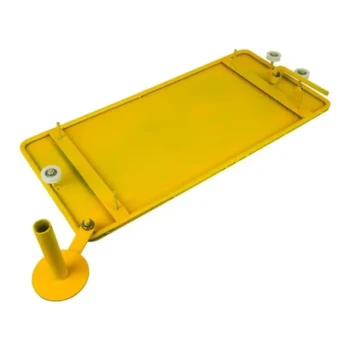
The primary technical objective of frame spraying is to facilitate the precise delivery of therapeutic solutions, such as probiotic or nanomaterial suspensions, directly onto the surface of hive frames. By targeting the frames containing larvae, this equipment ensures immediate, physical contact between the curative agents and the developing bees within their growth environment.
Frame spraying acts as a high-precision intervention tool, shifting colony management from general treatment to localized, high-concentration care. By saturating the larval environment, it serves as a critical defense mechanism against specific threats like the sacbrood virus.
The Mechanics of Targeted Intervention
Direct Larval Contact
The core function of frame spraying is contact delivery. Unlike passive treatments, this method applies the solution explicitly to the larvae.
This ensures the therapeutic agent creates a physical barrier or treatment zone directly on the organism.
Treating the Growth Environment
Beyond the larvae themselves, the equipment treats the immediate surroundings on the frame.
This sanitizes the specific area where the brood develops, reducing environmental viral loads.
High-Concentration Dosage
Frame spraying allows for a high-concentration intervention. Because the application is localized, the potency of the solution is not diluted across the entire hive volume.
This is particularly essential for combating resilient infections that require strong, direct interaction with the therapeutic agent.
Integration into Epidemic Prevention
Complementing Feeding Protocols
Technically, frame spraying is not designed to stand alone. The reference documentation defines it as part of a comprehensive epidemic prevention system.
It is most effective when combined with colony feeding, creating a multi-layered defense strategy.
The Dual-Front Approach
While feeding addresses internal health through ingestion, spraying addresses external health through contact.
This combination ensures that the colony is protected against pathogens via both surface exposure and metabolic absorption.
Operational Considerations
The Trade-off of Intrusiveness
To apply solution to the frames, physical access to the hive interior is required.
This makes the process more labor-intensive and intrusive than simple external feeding methods.
Specificity vs. Coverage
Frame spraying is highly specific to the brood area. It creates intense localized protection but does not necessarily treat adult bees foraging outside the hive.
Therefore, relying solely on spraying may leave other vectors of transmission unaddressed if not paired with systemic feeding.
Optimizing Your Colony Health Strategy
To effectively utilize frame spraying equipment, you must view it as a precision tool within a broader system.
- If your primary focus is treating acute larval infections: Utilize frame spraying to ensure direct contact and high-concentration dosage on the affected brood frames.
- If your primary focus is total colony prevention: Implement a dual strategy that combines frame spraying with therapeutic feeding to establish a comprehensive epidemic barrier.
By integrating localized frame spraying into your workflow, you provide the most vulnerable members of the colony with immediate, professional-grade protection.
Summary Table:
| Technical Objective | Primary Function | Key Benefit |
|---|---|---|
| Direct Larval Contact | High-precision delivery to brood | Immediate physical interaction with curative agents |
| Environmental Sanitization | Treats the growth environment | Reduces localized viral loads on frame surfaces |
| High-Concentration Dosage | Localized, undiluted application | Potent intervention for resilient viral infections |
| Epidemic Prevention | Dual-front defense strategy | Complements internal feeding with external protection |
Elevate Your Apiary Management with HONESTBEE
At HONESTBEE, we understand that commercial apiaries and distributors require more than just supplies—they need precision and reliability. Whether you are combating acute larval infections or building a comprehensive epidemic defense, our extensive range of beekeeping machinery and professional-grade tools are designed to optimize your colony health strategy.
From advanced frame spraying systems and honey-filling machines to durable hive hardware and industry consumables, we provide everything needed to scale your operations efficiently.
Ready to upgrade your wholesale supply chain?
Contact us today to explore our full spectrum of beekeeping solutions and see how our global expertise can support your business growth.
References
- Тетяна Єфіменко, О. А. ВОРОБІЙ. ВИЗНАЧЕННЯ ПРОЛОНГОВАНОЇ ДІЇ ПРОБІОТИКА «АПІНОРМІН» І ДІОКСИДУ ЦЕРІЮ НА СТАН ЗИМІВЛІ БДЖОЛИНИХ СІМЕЙ І ЛІТНІЙ ПРОЯВ У НИХ МІШЕЧКУВАТОГО РОЗПЛОДУ. DOI: 10.46913/beekeepingjournal.2022.10.03
This article is also based on technical information from HonestBee Knowledge Base .
Related Products
- Multi-Function Plier-Style Frame Grip Hive Tool
- Ergonomic Plastic Frame Spacer Tool for Rapid Hive Management Beekeeping
- Frame Punching Hole Puncher Machine for Bee Frame Producing Line
- HONESTBEE Bee Frame Side Bar Forming Machine Precision Engineered for High-Volume Production Bee Frame Machine
- Professional Stainless Steel Frame Cleaner with Ergonomic Wood Handle
People Also Ask
- What are the benefits of a multi-functional hive tool? Streamline Your Apiary Workflow with One Tool
- What advantages do multi-functional hive tools offer? Maximize Your Apiary Efficiency and Workflow
- What tools are used in beekeeping? A Complete Guide to Essential Beekeeping Equipment
- What is the importance of using the right tools in honey production? Boost Quality, Yield & Profitability
- Why are beekeeping tools considered essential? Enhance Apiary Safety and Production Efficiency