Technical requirements for beekeeping equipment differ fundamentally based on whether the end product is comb honey or filtered honey. While comb honey requires specialized hardware like cassettes and natural-material frames designed to preserve the physical structure of the honeycomb, filtered honey necessitates high-throughput extraction machinery, centrifugal force, and multi-stage filtration systems.
Core Takeaway: To capture the full market, distributors must provide a dual-track inventory: specialized, natural-material hardware for high-value comb honey and industrial-grade, stainless steel extraction lines for high-volume filtered honey production.
Technical Specifications for Comb Honey Production
Structural Integrity Hardware
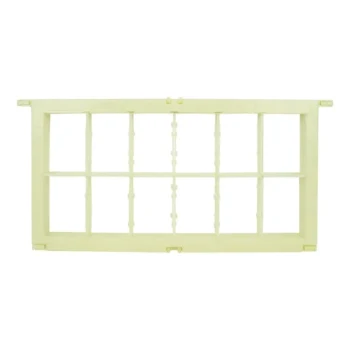
Comb honey production demands specialized equipment such as honeycomb cassettes or thin-foundation frames. These tools are designed to be removed directly from the hive and sold with the beeswax intact, requiring hardware that facilitates easy removal without damaging the delicate wax walls.
Material Purity and Organic Standards
Because the beeswax is consumed along with the honey, the equipment must adhere to the highest food-grade and organic standards. This often means sourcing frames made from natural, untreated wood and avoiding synthetic chemicals or coatings that could leave residues in the wax.
Specialized Harvesting Tools
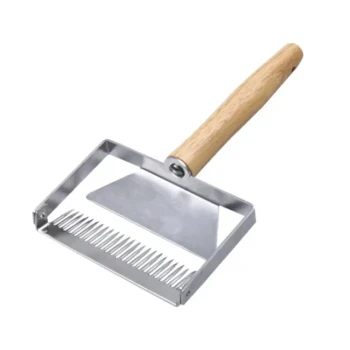
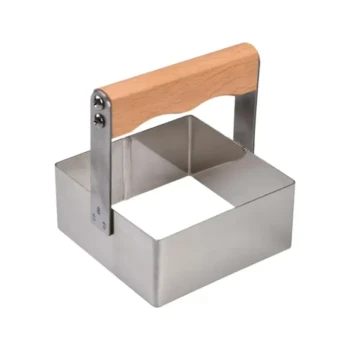
Unlike liquid honey, which is spun out, comb honey requires precision cutting tools and specialized packaging shells. These tools must be designed for a clean environment to maintain the biological nutrients and "raw" state that premium consumers expect from comb products.
Technical Specifications for Filtered Honey Production
High-Efficiency Extraction Machinery
Filtered honey production relies on centrifugal extractors to pull honey from the cells. For distributors, offering a range of manual and electric extractors with varying frame capacities is essential to serve both hobbyist and commercial-scale operations.
Multi-Stage Filtration Systems
Post-extraction, the honey must pass through filtration and settling tanks. These systems require fine-mesh stainless steel filters to remove impurities such as bee parts or large wax particles, ensuring the final product meets commercial clarity standards.
Industrial-Grade Material Requirements
All components in the extraction line—from the uncapping tank to the bottling valve—must be constructed from 304 or 316 stainless steel. These materials prevent contamination and ensure the equipment survives the high-frequency use typical of migratory or high-yield beekeeping.
Understanding the Trade-offs
Fragility vs. Durability
Comb honey equipment is inherently more specialized and the product itself is highly fragile, requiring careful handling and specific shipping solutions. In contrast, filtered honey equipment is more durable and allows for bulk storage and easier long-distance transport of the liquid product.
Scalability and Manual Labor
Filtered honey production is highly scalable through automation and high-capacity machinery, making it ideal for high-volume distributors. Comb honey remains a more labor-intensive, artisanal process, which limits volume but significantly increases the per-unit market value.
Resource Recovery and Wax Management
Filtered honey production generates significant wax by-products, necessitating wax melting and recycling equipment. This allows beekeepers to create new foundation sheets, reducing operational costs—a secondary market opportunity for equipment resellers.
How to Apply This to Your Inventory Strategy
The most successful wholesalers act as a one-stop source for both artisanal and industrial beekeeping needs, leveraging deep industry expertise to guide their clients' purchasing decisions.
- If your primary focus is the premium or organic market: Stock specialized wood frames, natural wax foundations, and sleek, retail-ready comb cassettes to support high-margin "raw" honey production.
- If your primary focus is high-volume commercial production: Prioritize heavy-duty stainless steel extractors, high-speed bottling lines, and multi-stage filtration systems to ensure rapid order fulfillment and durability.
- If your primary focus is migratory beekeeping clients: Focus on portable, high-efficiency extraction units and flexible packaging hardware that can handle diverse floral sources in the field.
By maintaining a full-spectrum portfolio of both specialized comb hardware and industrial extraction machinery, you position your business as an essential partner in the modern beekeeping supply chain.
Summary Table:
| Feature | Comb Honey Equipment | Filtered Honey Equipment |
|---|---|---|
| Core Hardware | Specialized cassettes & thin-foundation frames | Centrifugal extractors & filtration tanks |
| Material Standards | Natural wood, food-grade organic materials | 304/316 Stainless steel |
| Primary Goal | Preserving wax structure and raw nutrients | High-throughput extraction and clarity |
| Scalability | Manual-intensive, artisanal production | High-capacity automation & industrial lines |
| Maintenance | Single-use/fragile hardware handling | Durable machinery with wax recycling units |
Scale Your Wholesale Business with HONESTBEE
As a dedicated partner to commercial apiaries and B2B distributors, HONESTBEE provides the one-stop sourcing power you need to dominate the market. Whether your clients require artisanal comb honey hardware or industrial-grade honey-filling and hive-making machinery, our comprehensive portfolio delivers unmatched quality.
Why Partner with HONESTBEE?
- Full-Spectrum Portfolio: From essential consumables to heavy-duty extraction machinery.
- Competitive Edge: High-profit margins through premium OEM/ODM support.
- Rapid Fulfillment: Ultra-fast delivery and dedicated customer service to keep your supply chain moving.
- Deep Expertise: Professional industry insights to guide your inventory strategy.
Ready to elevate your inventory with industry-leading beekeeping solutions? Contact our expert team today!
References
- Ayşe Nur USLU. Türk Mutfak Kültüründe Bal ve Türkiye’de Yer Alan Coğrafi İşaretli Ballar Üzerine Bir Araştırma. DOI: 10.37847/tdtad.1458646
This article is also based on technical information from HonestBee Knowledge Base .
Related Products
- Professional Long-Handled Silicone Honey Scraper for Beekeeping
- Professional Sectional Comb Honey Frame with 250g Cassette System for Beekeeping
- Stainless Steel Honey Bee Smoker Hive and Honeycomb Smoker for Beekeeping
- Professional Wide Blade Honey Scraper for Beekeeping and Honey Processing
- Professional Customizable Honey Uncapping Fork with Adjustable Tine Options
People Also Ask
- How does environmental temperature control influence the efficiency of honey scraping equipment? Optimize Your Flow
- How do beekeepers collect honey without getting stung? Master the Art of a Safe Harvest
- What tools and machinery are essential to resolve common operational constraints such as equipment shortages and improper honey harvesting? Discover the complete honey-harvesting equipment lineup for commercial apiaries and distributors.
- What are the steps involved in the uncapping process? Master the Art of Harvesting Pure Honey
- What are the benefits and risks of transferring combs between hives? Maximize Apiary Health & Productivity