The process of marking a queen bee is a delicate operation that streamlines future hive inspections and helps track queen longevity. The procedure consists of three fundamental steps: finding and capturing the queen, marking her correctly on the thorax, and releasing her back into the hive.
The goal of marking is not just identification, but doing so without compromising the queen's health or acceptance by the colony. While the steps are simple—capture, mark, release—precision is required to avoid injury or rejection.
Step 1: Finding and Capturing the Queen
The first step is to locate the queen, typically found on a brood frame, and secure her without causing physical harm.
Choosing Your Method
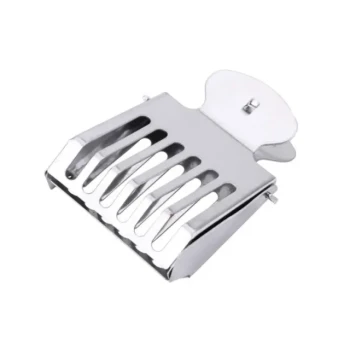
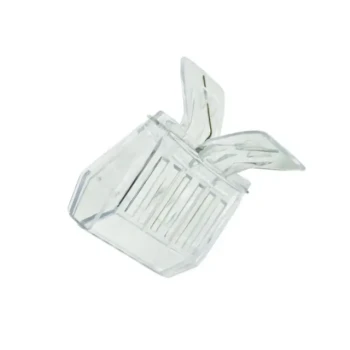
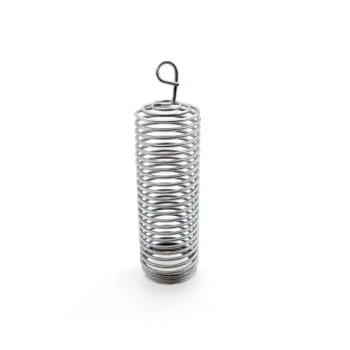
While experienced beekeepers may capture the queen by hand, using specialized tools is often safer for the bee and easier for the beekeeper.
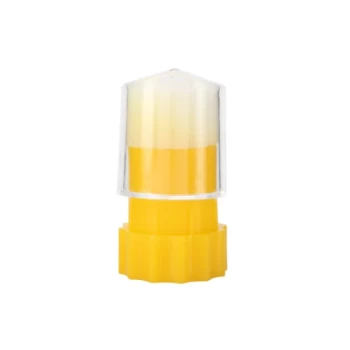
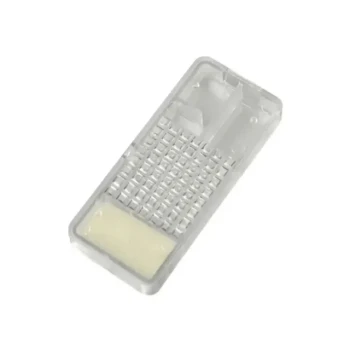
The round push-in cage or a plastic "piston" device with a foam plunger are excellent options. These tools allow you to immobilize the queen securely without touching her directly.
Manual Handling Technique
If you choose to handle her manually, you must be extremely gentle. Grasp the queen by her wings between your forefinger and thumb, allowing her legs to hang freely.
Next, place the forefinger of your other hand under her legs so she can grip it. Use your thumb to trap at least two legs to hold her still, then release her wings.
Preventing Flight
Mated queens are generally poor fliers and reluctant to leave the frame. However, there is a small risk she may attempt to fly away.
If this happens, do not panic; she is usually found on the ground nearby and will return to the hive if the area is left undisturbed.
Step 2: Precision Marking
Once the queen is immobilized, the objective is to apply the mark quickly and accurately without covering vital sensory organs.
The Target Area
You must apply the paint to the top center of the thorax only. This is the hard section on her back between the head and the abdomen.
Application Technique
Use a high-quality, saturated paint marker (enamel or water-based). Apply the dot with a simple, gentle touch; never press hard or rub the marker on the queen.
Critical Precautions
Ensure absolutely no paint touches her antennae, eyes, or wings. Obstructing these areas can cripple her ability to function or communicate, leading the colony to reject her.
Step 3: Releasing the Queen
The final step is reintroducing the queen to the colony in a way that ensures she is recognized and accepted.
Drying Time
Do not release the queen immediately. Hold her gently or keep her in the cage for 30 seconds to one minute.
This allows the paint to dry, reducing the "foreign" smell that might otherwise trigger aggression from worker bees.
The Reintroduction
Place the queen back onto the specific frame she was taken from. This minimizes disturbance and helps her return to her duties immediately.
Common Pitfalls and Trade-offs
Even with the correct steps, there are risks involved in handling a queen bee.
The Risk of Rejection
The most significant biological risk is the colony rejecting the queen due to the smell of wet paint or awkward handling. If the paint is not dry, workers may attack her.
Physical Injury
The most common error is crushing the queen during capture. Using immobilization tools like the push-in cage significantly mitigates this risk compared to manual handling.
Practice Makes Perfect
To avoid mistakes with a live queen, it is highly recommended to practice on drones first. This builds confidence and muscle memory without risking the colony's future.
Making the Right Choice for Your Goal
If your primary focus is safety and minimizing risk:
- Use a push-in cage or piston device to immobilize the queen, as this removes the variable of manual dexterity and prevents crushing.
If your primary focus is efficiency and speed:
- Master the manual capture technique by practicing on drones, allowing you to mark quickly without carrying extra equipment.
By adhering to these three steps—secure capture, precise marking, and patient release—you ensure the queen remains healthy and easily identifiable for the rest of the season.
Summary Table:
| Step | Key Action | Pro Tip for Success |
|---|---|---|
| 1. Capture | Secure the queen gently | Use a piston cage to avoid manual crushing. |
| 2. Mark | Apply paint to thorax center | Never touch eyes, antennae, or wings. |
| 3. Release | Reintroduce to the colony | Let paint dry for 60 seconds to prevent rejection. |
Scale Your Apiary with HONESTBEE Solutions
Optimize your beekeeping productivity with professional-grade tools. HONESTBEE specializes in catering to commercial apiaries and distributors with an extensive wholesale catalog. We provide everything from precision hand tools for queen management to industrial-scale hive-making and honey-filling machinery.
Beyond hardware, we supply essential industry consumables and unique honey-themed cultural merchandise to help your business stand out. Contact us today to learn how our comprehensive equipment portfolio can enhance your operational efficiency and bottom line!
Related Products
- Plastic Long Marker Device for Catching and Marking Bees Queen Bee Marking Tube and Cage
- Queen Bee Marking Tube Cage Bottle Catcher Holder with Clear Plastic Plunger Marker
- Plastic Queen Bee Catcher Marker Tube Holder for Queen Marking Bottle
- Queen Bee Catcher Plastic Bee Marker Bottle with Piston Marking Tube
- One Hand Yellow Queen Marking Catcher Tube Cage Beekeeper Tool Accessory for Queen Bee
People Also Ask
- Where on the queen bee's body should the mark be applied? Master the Art of Safe Queen Identification
- What are the primary objectives for marking a queen bee? Master Hive Management and Data Tracking
- Why is the physical marking of a queen bee important? Ensure Precise Colony Replacement Cycle Tracking
- How do you capture and immobilize a bee for marking? Master Safe Queen Handling for Your Apiary
- What are the different methods for applying a mark to a queen bee? Master Safe and Effective Queen Marking Techniques