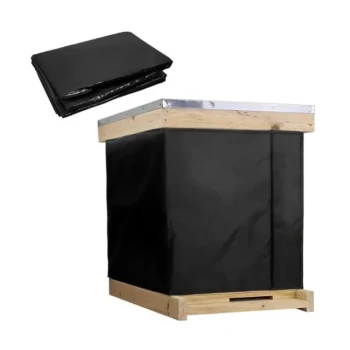
Hive insulation is a comprehensive thermal regulation strategy that provides critical stability to a colony regardless of the season. Rather than acting merely as a winter blanket, it functions as a year-round barrier that stabilizes the hive's internal environment against external temperature fluctuations. This consistency reduces the physiological stress on the bees, allowing them to conserve resources and maintain optimal health in both freezing cold and scorching heat.
Energy is the currency of the hive; by minimizing the metabolic cost of heating and cooling, insulation frees up the colony's energy budget for vital growth, foraging, and defense.
The Mechanics of Cold Climate Performance
Retaining Metabolic Heat
In cold weather, the primary function of insulation is heat retention. It captures the warmth naturally generated by the bee cluster, preventing it from escaping through the hive walls. This reduces the colony's workload, as they do not have to consume as much energy to generate new heat to replace what is lost.
Conserving Vital Resources
Because the bees work less to maintain warmth, their honey consumption drops significantly. Insulation effectively lowers the "burn rate" of their winter stores, ensuring that food reserves last longer and the colony remains robust until spring.
Controlling Internal Moisture
A critical, often overlooked benefit of insulation is moisture management. By keeping the internal temperature stable, insulation prevents condensation from forming on cold inner surfaces. This keeps the hive dry, protecting the colony from the dangerous combination of cold temperatures and dampness.
The Advantages in Warm Climates
Shielding from Solar Gain
In warmer climates, insulation acts as a thermal shield. It blocks external heat from penetrating the hive, specifically protecting the colony from extreme solar radiation and high ambient temperatures.
Reducing Cooling Load
Bees expend significant effort to cool a hive, often using water evaporation and fanning wings. Insulation helps maintain optimal internal temperature and humidity with far less effort. By reducing the need for active cooling, the colony experiences less heat stress during peak summer months.
Strategic Energy Reallocation
Focusing on Essential Tasks
When a colony spends less time and energy on temperature regulation, that energy is not lost; it is reallocated. The colony can direct these preserved resources toward essential biological tasks.
Boosting Productivity
With thermal stress minimized, the bees can prioritize foraging, feeding, and hive protection. This shift in focus allows for a more productive workforce and a more secure hive, as the population is not entirely consumed by the struggle to maintain a livable environment.
Common Pitfalls to Avoid
The Seasonal Misconception
A common error is viewing insulation solely as a cold-weather tool. Removing insulation in the spring or summer ignores the cooling benefits provided by the material.
Ignoring the Energy Balance
Failing to insulate in warm weather forces the bees to divert energy away from foraging to cool the hive. Recognizing that temperature regulation costs energy in both directions—heating and cooling—is essential for maximizing colony efficiency year-round.
Making the Right Choice for Your Goals
Insulation is not just about survival; it is about efficiency. Depending on your primary climate challenges, the specific benefits shift but remain valuable.
- If your primary focus is Winter Survival: Prioritize insulation to reduce honey consumption and prevent the moisture buildup that can compromise the cluster.
- If your primary focus is Summer Production: Use insulation to shield the hive from solar heat, allowing bees to focus on foraging rather than cooling duties.
By stabilizing the hive environment, you transform energy that would be wasted on thermal regulation into a resource for colony growth and resilience.
Summary Table:
| Climate | Primary Function | Key Benefit |
|---|---|---|
| Cold/Winter | Heat Retention | Reduces honey consumption & prevents moisture/condensation |
| Hot/Summer | Thermal Shielding | Blocks solar radiation & reduces fanning/cooling stress |
| Year-Round | Energy Reallocation | Diverts energy from thermoregulation to foraging & defense |
| All Seasons | Stress Reduction | Minimizes physiological strain for a healthier, larger population |
Maximize Your Apiary's Potential with HONESTBEE
Efficient beekeeping starts with the right equipment. HONESTBEE provides commercial apiaries and distributors with premium-grade hive-making machinery and specialized beekeeping tools designed to optimize colony health and operational efficiency. Whether you need advanced honey-filling machines to scale your production or high-quality consumables to support seasonal insulation strategies, we deliver the comprehensive wholesale solutions your business requires.
Ready to scale your beekeeping operation? Contact us today to explore our full spectrum of professional machinery and equipment tailored for industry leaders.
Related Products
- Professional Insulated Winter Hive Wrap for Beekeeping
- Professional Insulated Plastic Bee Hives
- Inner Beehive Cover for Beekeeping Bee Hive Inner Cover
- Stainless Steel Round Beehive Air Vents for Ventilation
- Metal Hive Feet Bee Hive Stand for Ant Protection
People Also Ask
- What are the steps to properly wrap a beehive for winter? Ensure Your Colony Survives the Cold
- When is the best time to wrap a beehive for winter? A Guide to Perfect Winterization Timing
- How do professional insulation wraps provide protection for bee colonies? Optimize Winter Survival & Energy Efficiency
- What are the technical benefits of using winter wraps for beehive insulation? Boost Colony Survival & Hive Health
- What are the benefits of using insulated covers for hives? Ensure Colony Survival and Health