The most effective mite-control programs combine approved acaricides with precise delivery tools and resistance management. For Varroa destructor, the main chemical options are formic acid, oxalic acid, thymol-based products, and approved synthetic miticides such as amitraz or fluvalinate. For Tropilaelaps mites, organic-acid treatments, thymol products, and—where legally approved—synthetic acaricides can be useful, but treatment timing is especially important because Tropilaelaps depends heavily on capped brood.
Core takeaway: Use a registered product, the correct consumable, and a delivery method that produces even hive coverage without overdosing the colony. Rotate active ingredients, monitor mite levels, and treat according to local labels, temperature limits, honey-flow restrictions, and residue regulations.
Why Treatment Selection Matters
Mites Damage Bees Beyond Direct Feeding
Severe infestations shorten worker lifespan, reduce colony strength, and contribute to wing deformities and weight loss. They also increase the transmission of viruses such as deformed wing virus, raising the risk of colony failure.
Varroa reproduces within capped brood and feeds on developing and adult bees. Tropilaelaps also reproduces primarily in brood, making brood availability and treatment timing central to control.
Chemical Control Is Only One Part of the Program
Chemical treatment works best when combined with monitoring, brood-management techniques, and suitable hive hardware. Screened bottom boards and drone-brood removal can reduce mite pressure, although they should not be treated as stand-alone replacements for effective miticide use.
Effective Chemical Treatment Techniques
Formic Acid With Absorbent Applicator Pads
Formic acid is a widely used organic-acid treatment because its vapor can reach mites associated with brood. Commercial application formats include absorbent pads, foam applicators, cardboard carriers, and proprietary gel or evaporation systems.
The primary reference describes an absorbent foam pad placed above or below the frames after being charged with formic acid. That general technique can be effective, but the stated concentration and volume should not be copied as a universal recipe.
Formic acid is highly corrosive and temperature-sensitive. Concentration, dose, pad size, placement, ventilation, and treatment duration must follow the registered product label and local regulations.
Oxalic Acid Dribble or Sublimation
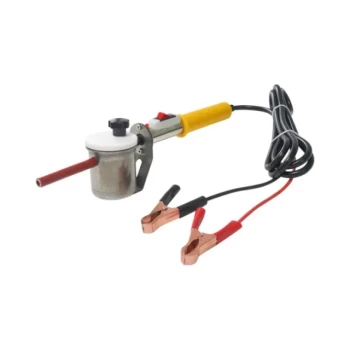
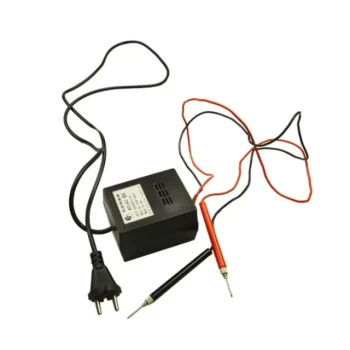
Oxalic acid is commonly used when Varroa populations are exposed, particularly during broodless or low-brood periods. Application formats include quantitative droppers for an approved dribble solution and electric or gas-powered sublimators for vapor delivery.
Sublimation can provide uniform hive distribution when performed with calibrated equipment. It does not, however, reliably eliminate mites protected inside capped brood, so timing and repeat-treatment decisions should be based on monitoring and the product label.
Thymol and Essential-Oil Formulations
Thymol products are available as gel trays, impregnated pads, crystals, and slow-release dispensers. They can be useful against Varroa and may also contribute to broader mite-management programs.
Essential oils such as marjoram or lemongrass oil may be incorporated into specialized formulations or diffusion systems. Their performance is more dependent on formulation, evaporation rate, temperature, and hive conditions than that of a standardized registered miticide.
Approved Synthetic Acaricide Strips
Synthetic products containing active ingredients such as amitraz or fluvalinate are commonly supplied as ready-to-use hive strips. Strips provide a controlled-release format and avoid the need for on-site chemical mixing.
They should remain in the hive only for the labeled period. Leaving strips in place too long can increase residue concerns and selection pressure for resistant mites.
Amitraz-Based Sprays and Fumigants
Amitraz may be authorized in certain regions as a spray or other application format, but authorization varies substantially. Informal recipes involving amitraz, potassium nitrate, filter paper, or hive fumigation should not be treated as universally safe or legal.
These methods can create risks involving worker exposure, bee toxicity, uneven dosing, fire, residues, and honey contamination. Use only a registered formulation and labeled delivery method.
Application Consumables and Equipment
Foam and Absorbent Pads
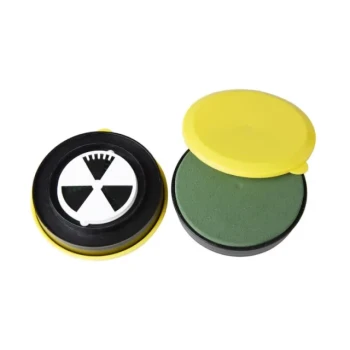
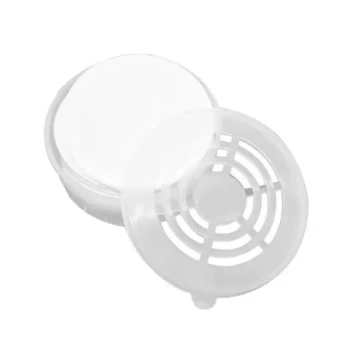
Foam pads and absorbent carriers are used for controlled acid release across a broad surface. For distributors, important specifications include:
- Consistent absorbency and chemical compatibility
- Stable dimensions and thickness
- Low shedding or fiber release
- Packaging that limits vapor loss
- Clear labeling for treatment placement and handling
Generic pads should not be marketed as interchangeable with registered treatment systems unless compatibility and dosing have been validated.
Gel Trays and Slow-Release Dispensers
Gel trays and controlled-release dispensers make evaporation more predictable than loose liquid application. They are particularly useful where the product is supplied as a complete, label-directed treatment system.
Their effectiveness depends on temperature, hive volume, ventilation, and placement. Product packaging should communicate these operating constraints clearly.
Hive Strips
Acaricide strips are convenient for commercial apiaries because they provide consistent positioning and release. They also simplify inventory control and reduce the need for measuring liquid chemicals at the apiary.
Resellers should distinguish between registered strips, unapproved off-label materials, and counterfeit or poorly stored products. Shelf life, packaging integrity, and traceability are important procurement criteria.
Quantitative Droppers
Calibrated droppers support consistent oxalic-acid dribble dosing and reduce variation between colonies. They are preferable to improvised syringes or unmarked containers when the treatment label specifies a measured volume.
Droppers should be chemical-resistant, easy to clean, and supplied with a clear dosing scale.
Sublimators and Vapor Applicators
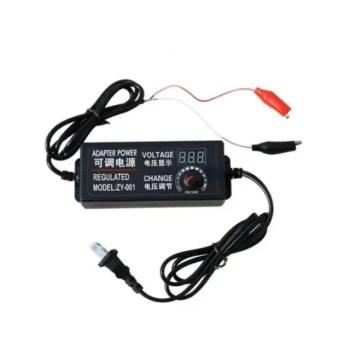
Sublimators convert oxalic acid into a vapor for distribution through the hive. Useful equipment features include:
- Stable heating performance
- Repeatable dosing
- Adequate sealing or hive-entry accessories
- Easy decontamination
- Protective operator controls
Operators must use respiratory and skin protection specified by the product and equipment instructions. Vapor treatment should never be approached as a casual substitute for label compliance.
Matching Treatment to the Mite
Varroa Destructor
Varroa programs commonly combine:
- Formic-acid pads or approved slow-release systems
- Oxalic-acid dribble or sublimation
- Thymol-based treatments
- Registered amitraz or fluvalinate strips
- Brood interruption and drone-brood trapping
Formic acid is valuable when penetration into capped brood is required, while oxalic acid is generally most useful when a large proportion of mites are exposed. The correct choice depends on colony condition, brood pattern, season, and local resistance patterns.
Tropilaelaps Mites
Tropilaelaps control requires particular attention to brood availability and treatment timing. Because the mites reproduce rapidly in brood, reducing or interrupting brood can improve the exposure of mites to chemical treatments.
Organic acids and thymol products may be used where approved. Synthetic products may also be available, but their use must be based on local registration and the target pest listed on the label.
Brood and Hardware Support
Drone-brood combs exploit Varroa’s preference for drone cells. Colonies can be managed so that infested drone brood is removed before mites emerge, reducing reproductive pressure.
Screened bottom boards may help with monitoring and reduce the number of mites returning to bees, but they do not replace a properly selected chemical treatment.
Building a Reliable Treatment Program
Monitor Before and After Treatment
Use an accepted monitoring method, such as an alcohol wash, sugar shake, or another locally recognized procedure. A treatment should be evaluated by comparing mite levels before and after application rather than by assuming that all mites have been removed.
Monitoring is also essential for detecting treatment failure or emerging resistance.
Rotate Active Ingredients
Repeated use of one active ingredient selects for resistant mite populations. Rotate between different modes of action, rather than merely changing brands that contain the same chemical.
Rotation should be planned across seasons and informed by local extension, veterinary, or apiary-health guidance.
Protect Honey and Beeswax
Observe all restrictions concerning honey supers, withdrawal intervals, and harvest. Some products must not be used while honey intended for human consumption is present.
Residues can accumulate in beeswax, especially when lipophilic synthetic acaricides are repeatedly used. Good treatment records and wax-management practices are therefore important for commercial operations.
Understanding the Trade-offs
Organic Acids Are Not Automatically Low-Risk
“Organic” describes the chemical category, not the hazard level. Formic and oxalic acids can injure bees, damage brood, corrode equipment, or harm operators when concentration, temperature, or dose is wrong.
The primary reference’s example of an 85% formic-acid solution applied at 10–15 mL per foam pad should be treated only as a source-specific example, not a general recommendation. Commercial products often use different concentrations, delivery systems, and label instructions.
Synthetic Miticides Can Be Convenient but Require Discipline
Ready-to-use strips simplify application and may provide dependable control. Their disadvantages include resistance development, residue concerns, and the risk of prolonged exposure when strips are not removed on schedule.
Low-Cost Materials Can Create High Operational Risk
Camphor, sulfur powder, naphthalene, improvised fumigants, and unregistered mixtures may appear inexpensive, but their safety, efficacy, legality, and residue profiles are inconsistent. Naphthalene and improvised chemical fumigation should not be presented as routine substitutes for registered mite treatments.
Tropilaelaps Control May Require More Than Chemical Application
Chemical treatments alone may be insufficient when brood remains continuously available. Brood interruption, colony inspection, and rapid response are particularly important where Tropilaelaps is established or suspected.
How to Apply This to Your Project
A dependable supply program should cover both the chemical consumable and the equipment needed to apply it accurately.
- If your primary focus is Varroa control: Build a rotation program around registered formic-acid, oxalic-acid, thymol, or synthetic products, supported by monitoring tools, calibrated droppers, sublimators, and compatible absorbent carriers.
- If your primary focus is Tropilaelaps control: Prioritize treatments and brood-management tools that address mites inside or around capped brood, while verifying that the selected product is legally approved for Tropilaelaps in the target market.
- If your primary focus is commercial apiary efficiency: Source ready-to-use strips, standardized pads, gel dispensers, quantitative droppers, and sublimators through a traceable one-stop supply channel with rapid replenishment.
- If your primary focus is residue and resistance management: Rotate active ingredients, maintain treatment records, respect withdrawal requirements, and avoid unregistered mixtures or prolonged strip use.
- If your primary focus is distributor or reseller value: Offer a full-spectrum portfolio with compatible consumables, operator-protection items, technical documentation, and responsive fulfillment rather than isolated chemical products.
Effective mite control comes from combining the right active ingredient, delivery system, timing, monitoring, and compliance discipline for each apiary.
Summary Table:
| Treatment | Active Ingredient | Application Method | Target Mite | Key Considerations |
|---|---|---|---|---|
| Formic Acid | Formic acid | Absorbent pads, foam applicators, gels, evaporators | Varroa & Tropilaelaps | Temperature-sensitive, vapor penetrates capped brood, corrosive, follow label exactly |
| Oxalic Acid | Oxalic acid | Dribble (quantitative droppers), sublimation (electric/gas) | Varroa (mainly) | Effective in broodless periods, does not penetrate capped brood, use calibrated equipment |
| Thymol | Thymol | Gel trays, impregnated pads, crystals, slow-release dispensers | Varroa & Tropilaelaps | Temperature-dependent, evaporation rate, may affect honey quality |
| Synthetic acaricides (strips) | Amitraz, fluvalinate | Ready-to-use strips | Varroa | Convenient, but risk resistance, residue, must remove after labeled period |
| Amitraz sprays/fumigants | Amitraz | Spray or fumigation (authorized only) | Varroa | Highly variable legality, avoid unregistered products, safety concerns |
Note: Always use registered products and follow label instructions for dosage, placement, and timing.
Looking to supply effective mite control solutions? HONESTBEE provides a full-spectrum portfolio of chemical treatments and application consumables for commercial beekeeping. From formic acid pads and oxalic acid sublimators to thymol gel trays and amitraz strips, we equip your operation with reliable tools. As a one-stop sourcing partner, we offer rapid response, dedicated service, OEM/ODM support, and certified quality. Contact us today to discuss your wholesale needs and ensure a steady supply of premium mite control products for your customers. Get in touch now!
Related Products
- Durable 12V Oxalic Acid Vaporizer for Varroa Mite Treatment Beehive Beekeeping Tool
- Oxalic Acid Vaporizer 12V for Bee Varroa Mite Treatment
- Heavy Duty 12V Oxalic Acid Evaporator Vaporizer for Bee Varroa Mite Treatment Beekeeping Fumigator Atomizer
- Adjustable Formic and Acetic Acid Dispenser for Bee Mite Treatment
- Compact Circular Bee Mite Treatment Dispenser
People Also Ask
- What are the technical advantages of using professional Sublimators? Maximize Mite Control with Precision Vaporizers
- What is the minimum temperature for oxalic acid vaporization? Optimize Winter Mite Control at 37°F
- What is the recommended procedure for inserting and activating a vaporizer in a beehive? Master Hive Treatment Success
- What factors determine how often to treat for varroa mites with oxalic acid? Time Your Treatment for Maximum Efficacy
- What is the overall goal of using oxalic acid in late fall for beekeepers? Maximize Winter Survival with a Broodless Treatment