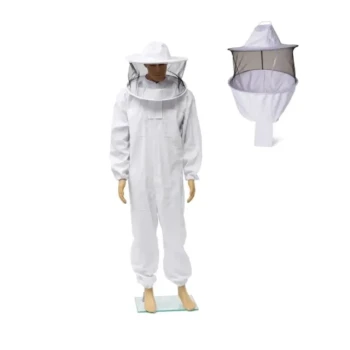
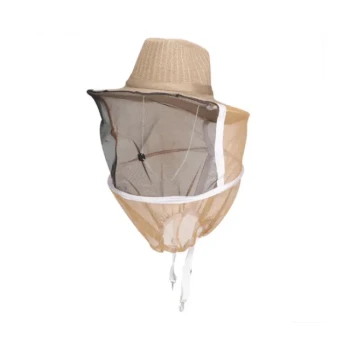
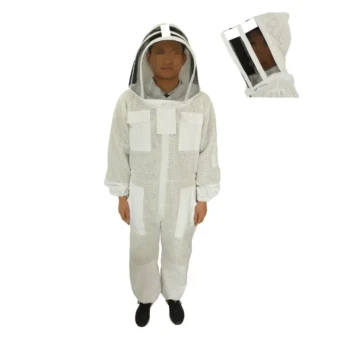
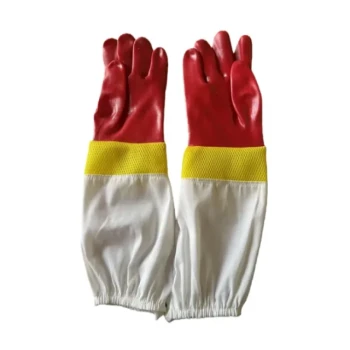
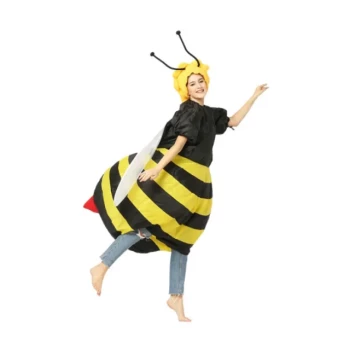
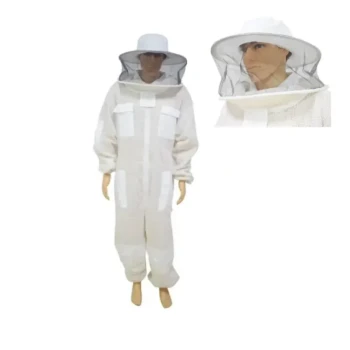
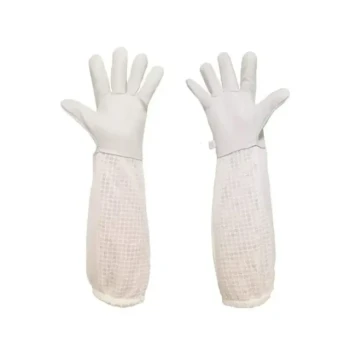
White or tan clothing is the absolute standard for beekeeping safety. To minimize the risk of stings, you must prioritize light colors and smooth textures, as bees react aggressively toward dark shades, fuzzy materials, and fabrics derived from animal fibers.
The goal of beekeeping apparel is to make you invisible to the hive's defensive instincts while creating an impenetrable physical barrier. While white is the iconic choice for calming bees, the layering and material density of your clothing are the deciding factors in preventing stings.
The Science of Color and Texture
Why Light Colors prevail
Bees have evolved to identify threats in nature. Dark colors resemble natural predators—such as bears and badgers—which triggers an immediate defensive response from the hive.
The Problem with Texture
Beyond color, the tactile feel of your clothing matters. Avoid fuzzy materials completely, as these mimic the fur of predators.
Avoid Animal Fibers
Do not wear clothing made from animal fibers like wool or leather. The scent and texture of these materials can agitate the colony, increasing the likelihood of aggression.
Selecting the Right Fabric for Your Suit
Heavy-Duty Woven Cotton
This is a traditional choice that offers very good protection due to the thickness of the weave. It is generally comfortable but can become stiflingly warm in hot climates.
Cotton/Poly Blends
For a versatile all-rounder, a blend of cotton and polyester is often preferred. These fabrics are durable and lightweight, offering better breathability than pure heavy cotton for year-round use.
Ventilated Mesh Technology
For maximum cooling during summer heat, look for fully ventilated suits. These are constructed from multiple layers of thick and fine mesh, allowing significant airflow while maintaining a depth that stingers cannot penetrate.
Layering for Maximum Security
Lower Body Defense
Your outer suit is not your only line of defense. Underneath, wear thick denim jeans or canvas painter’s pants.
Securing the Ankles
Bees instinctively crawl upwards. You must tuck your pants into your socks or use boot bands to cinch leg openings, preventing bees from gaining access to your skin inside the suit.
Upper Body Coverage
Wear a long-sleeve shirt under your jacket. Ensure the shirt has a long hem so that your lower back remains covered even when you bend over to inspect frames.
Footwear Essentials
Always wear sturdy boots or shoes. Never wear sandals or any footwear that leaves skin exposed.
Understanding the Trade-offs
Weight vs. Temperature
There is an inverse relationship between the physical weight of the suit and your body temperature. Ventilated mesh suits are physically heavier due to the multiple layers, yet they keep you much cooler than lighter, woven fabrics that trap heat.
Protection vs. Agility
Thick layers like heavy cotton or canvas provide excellent sting protection but can restrict movement. You must balance the need for invulnerability with the need to move dexterously around the hive.
Making the Right Choice for Your Environment
To select the best gear for your specific situation, consider these guidelines:
- If your primary focus is working in high heat: Choose a fully ventilated mesh suit, accepting the heavier weight for the benefit of maximum airflow.
- If your primary focus is year-round versatility: Opt for a cotton/poly blend, which balances durability with breathability.
- If your primary focus is maximum budget-friendly protection: Select heavy-duty woven cotton, but be mindful of hydration and breaks during hot weather.
Your safety relies on a system of light colors to keep bees calm and thick, secured layers to keep stingers out.
Summary Table:
| Feature | Recommended Choice | Why It Matters |
|---|---|---|
| Primary Color | White or Tan | Avoids triggering predator instincts linked to dark colors. |
| Material Type | Smooth & Synthetic/Cotton | Prevents bees from getting snagged or agitated by fuzzy textures. |
| Fabric Options | Ventilated Mesh / Poly-Blends | Balances sting protection with breathability and cooling. |
| Undergarments | Thick Denim or Canvas | Provides a secondary physical barrier against deep stingers. |
| Footwear | Sturdy, Closed-toe Boots | Prevents bees from crawling upward or stinging exposed skin. |
Elevate Your Beekeeping Standards with HONESTBEE
At HONESTBEE, we specialize in supporting commercial apiaries and distributors with premium-grade beekeeping solutions. Whether you are looking for high-performance ventilated suits or industrial-scale honey-filling machinery, our comprehensive wholesale portfolio is designed to enhance your operational efficiency and safety.
Our Value to You:
- Full Spectrum Supply: From professional protective gear to specialized hive-making hardware.
- Industry Expertise: Consumables and equipment tailored for large-scale production.
- Global Distribution: Reliable sourcing for honey-themed merchandise and technical machinery.
Ready to scale your apiary operations? Contact us today to discuss your wholesale needs and discover how our expertise can drive your business forward.
Related Products
- White Cotton Beekeeping Jacket and Veil for Bee Keepers
- Premium Cotton Beekeeper Suit with Reinforced Fencing Veil
- Professional Cotton Beekeeper Suit with Round Veil Design for Commercial Apiaries
- Beekeeping Jacket with Hood and Veil for Beekeepers
- Economy Polyester Beekeeping Jacket with Veil and Hat
People Also Ask
- What are the features of an economical beekeeping jacket? Essential Protection for Budget-Conscious Beekeepers
- What are the pros of using a beekeeping jacket? Unlock Superior Comfort and Mobility for Your Apiary
- What factors should a new beekeeper consider when choosing between a jacket and a full suit? Security vs. Comfort
- What are the advantages of a beekeeping jacket? Superior Mobility & Comfort for Routine Hive Inspections
- When is a beekeeping jacket considered a more suitable choice than a full suit? Optimize Your Apiary Mobility