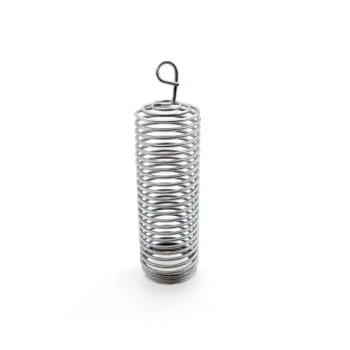
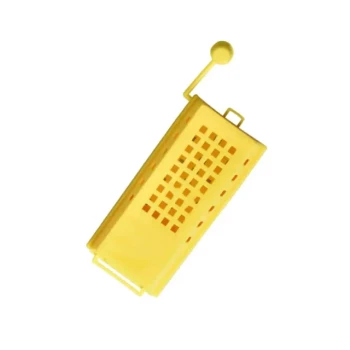
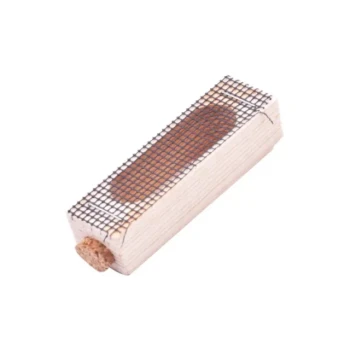
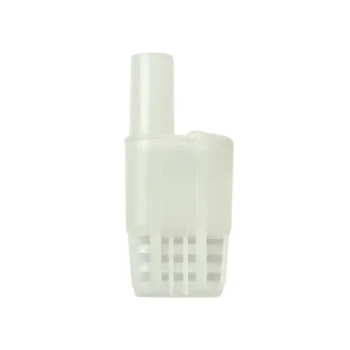
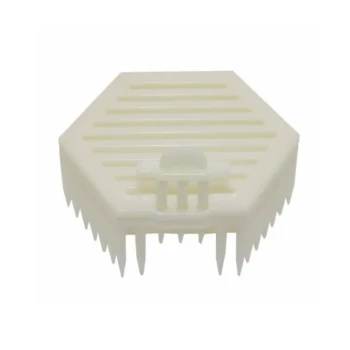
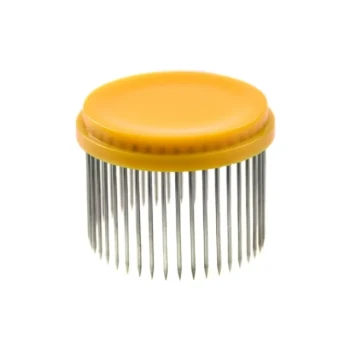
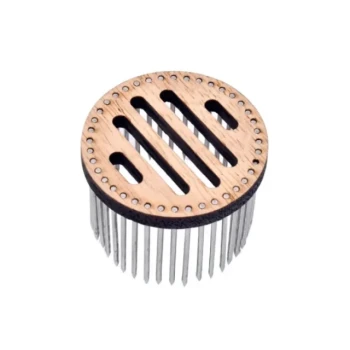
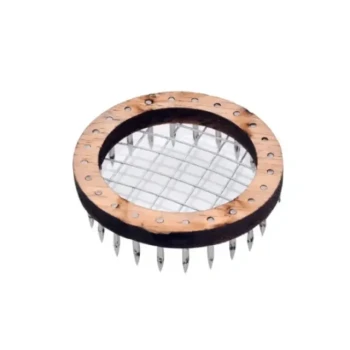
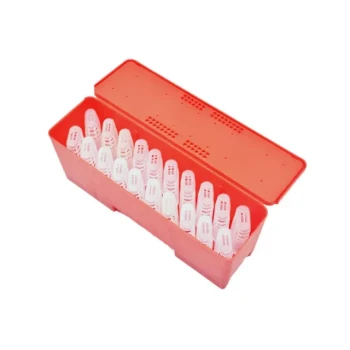
Specialized Queen Bee Cages function as a primary containment barrier designed to halt the geographic migration of parasites during the transport of breeding stock. While their physical design ensures the safety of the queen from trauma, their critical role in biosecurity is preventing the accidental release of Varroa destructor and associated pathogens, such as Deformed Wing Virus, into new environments.
The core value of these cages extends beyond simple logistics; they act as a secure micro-environment that isolates high-value stock. By physically containing the queen, they serve as a checkpoint that blocks the long-distance transmission of diseases that threaten apiary viability.
The Biosecurity Mechanism
Establishing a Secure Micro-Environment
The primary function of a specialized Queen Bee Cage is to create a controlled isolation zone. This "micro-environment" shields the queen from external physical threats during domestic or international transit.
However, from a disease control perspective, this isolation works both ways. It prevents the queen from contacting outside vectors and prevents any potential contaminants within the cage from escaping into the destination ecosystem.
Blocking Pathogen Transmission
The most critical role of these cages is breaking the transmission chain of Varroa destructor.
By confining the breeding stock, the cage limits the movement of the mite vector. This containment effectively stops the spread of associated viral loads, specifically Deformed Wing Virus, which often travels alongside Varroa infestations.
Distinguishing Between Cage Types
Transport Cages vs. Testing Cages
It is vital to distinguish specialized Queen Bee Cages from standardized efficacy testing cages.
According to technical specifications, testing cages are infrastructure used in research settings (incubators) to house infested clusters for recording mite mortality and testing miticide resistance.
The Role of Transport Cages
In contrast, Queen Bee Cages are consumables dedicated to logistics. They are not designed for testing resistance phenotypes or simulating hive environments for research. Their sole focus is the safe, biosecure transfer of stock from one location to another.
Understanding the Scope and Limitations
Containment is Not Treatment
While Queen Bee Cages are essential for preventing spread during travel, they do not actively eliminate parasites.
For active elimination of Varroa destructor, apiarists must rely on professional miticides or specialized application devices (such as sublimators) that control the release of organic agents like thymol or oxalic acid.
The Necessity of Integrated Protocols
The cage is a barrier, not a cure. If a queen is heavily infested, the cage prevents the mites from jumping to other cargo, but it does not cleanse the queen.
Therefore, these cages must be viewed as part of a broader management strategy that includes the use of standardized hive frames for heat treatment or chemical intervention to ensure the stock is clean before it is ever placed in the cage.
Making the Right Choice for Your Goal
To ensure the health of your apiary, you must match the equipment to the specific phase of management.
- If your primary focus is biosecurity during transport: Utilize specialized Queen Bee Cages to act as a physical firewall against the introduction of Varroa destructor and Deformed Wing Virus into new regions.
- If your primary focus is evaluating mite resistance: Deploy standardized efficacy testing cages within a controlled incubator environment to record mortality rates and drop data.
- If your primary focus is active infestation control: Implement specialized application devices or professional miticides to disrupt the parasitic chain within the hive.
Effective disease control relies on isolating the vector during movement and eliminating it during residency.
Summary Table:
| Feature | Specialized Queen Bee Cage (Transport) | Efficacy Testing Cage (Research) |
|---|---|---|
| Primary Goal | Biosecurity & safe geographic transit | Monitoring mite mortality & resistance |
| Function | Physical firewall against pathogen migration | Controlled environment for data recording |
| Usage Period | Logistics and breeding stock delivery | Laboratory research and mite-drop testing |
| Core Value | Prevents cross-contamination of apiaries | Validates chemical or organic treatment efficacy |
Secure Your Breeding Stock with HONESTBEE Professional Solutions
At HONESTBEE, we understand that commercial apiaries and distributors require more than just supplies—they need reliable biosecurity solutions. Our comprehensive wholesale catalog offers high-grade Queen Bee Cages designed to safeguard your high-value stock during transit, alongside a full spectrum of beekeeping machinery, hive-making equipment, and honey-filling systems.
Whether you are expanding your distribution network or managing large-scale commercial operations, we provide the specialized hardware and industry consumables necessary to eliminate pathogens and maximize efficiency.
Ready to upgrade your apiary infrastructure? Contact us today to discuss our wholesale offerings and discover how HONESTBEE can streamline your production from hive to market.
References
- Jay M. Iwasaki, Katharine J. M. Dickinson. The New Zealand experience of varroa invasion highlights research opportunities for Australia. DOI: 10.1007/s13280-015-0679-z
This article is also based on technical information from HonestBee Knowledge Base .
Related Products
- Durable Galvanized Steel Spring Queen Bee Cage
- Professional Queen Bee Introduction and Transport Cage
- Professional Queen Cage with Sliding Gate and Feeder Plug
- Classic Wooden and Mesh California Queen Cage
- Professional Multi-Functional Queen Bee Cage
People Also Ask
- Why are specialized queen bee cages used for the banking of mated queen bees? Maximize Commercial Apiary Storage Efficiency
- What is the mechanism of action for using temporary queen bee cages? Master Successful Queen Introduction
- What is the step-by-step process for installing a queen bee's cage onto a frame? Ensure Hive Acceptance Safely
- What is the optimal placement for a queen bee cage? Essential Strategies for Successful Re-queening
- What are the advantages and disadvantages of introducing a queen bee by embedding the cage? Boost Your Queen Acceptance