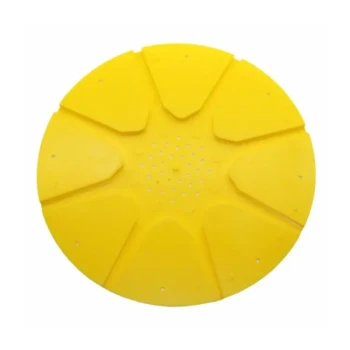
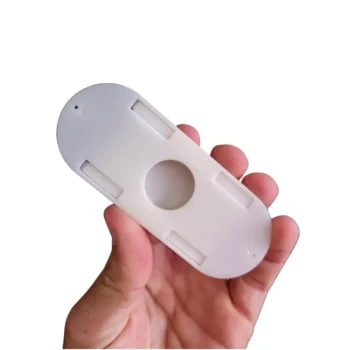
Expanded Polystyrene (EPS) bee hives integrate specific architectural elements designed to enhance both colony health and apiary management. These hives feature physical structures such as a built-in landing strip and a specialized feeding door, alongside mechanisms that facilitate easy honey removal for the beekeeper.
The Core Value: While the physical features provide convenience, the defining characteristic of EPS hives is their superior thermal insulation. This material significantly reduces the energy bees must expend on temperature regulation, directly leading to increased honey yields and better colony survival rates.
Features Designed for the Colony
EPS hives go beyond the basic box structure to address the biological needs of the bees.
Integrated Landing Strips
The design includes a specific landing strip at the hive entrance.
This feature assists foraging bees as they return to the hive, providing a stable platform for landing before entering the colony.
Dedicated Feeding Doors
To support colony nutrition, particularly during scarcity, these hives incorporate a feeding door.
This allows the beekeeper to provide supplemental food without significantly disturbing the hive or exposing the brood to the elements.
Thermal Regulation and Energy Conservation
The material itself acts as a critical design feature by providing exceptional insulation.
In winter, this keeps the colony warm, preventing the devastation caused by extreme cold. In summer, it prevents overheating.
Because the internal temperature is stable, bees do not need to waste energy shivering to stay warm or fanning their wings to cool down.
This energy conservation allows the colony to focus on production, with some commercial operations reporting honey yield increases of up to 30%.
Operational Advantages for the Beekeeper
For the apiarist, the design focuses on reducing labor and ensuring longevity.
Streamlined Honey Removal
The internal design of EPS hives is engineered for convenience, specifically offering easy honey removal.
This streamlines the harvesting process, making it less intrusive for the bees and more efficient for the beekeeper.
Zero-Maintenance Durability
Unlike traditional wooden hives, EPS hives require virtually no maintenance.
They are impervious to rot, eliminating the need for the regular painting, repairing, or replacing often associated with wooden apiary equipment.
Environmental Considerations
EPS hives possess strong environmental credentials regarding their lifecycle.
At the end of their usable life, the foam material can be fully recycled, reducing the long-term waste footprint of the apiary.
Understanding the Trade-offs
While EPS offers distinct advantages, it represents a departure from traditional beekeeping materials.
Material Durability vs. Traditional Aesthetics
The shift from wood to EPS trades the traditional aesthetic of natural materials for synthetic efficiency.
While a standard hive uses wooden frames and beeswax foundations, the EPS hive body is a foam composite.
Structural Integrity Over Time
Wooden hives eventually rot and degrade, necessitating replacement parts.
However, beekeepers must ensure they are sourcing high-quality EPS to ensure the material remains robust enough to handle the rigors of commercial use and recycling.
Making the Right Choice for Your Goal
When deciding between EPS and traditional hive materials, consider your primary objectives for the apiary.
- If your primary focus is Maximizing Yield: Choose EPS for its insulation properties, which allow bees to convert saved energy into up to 30% more honey production.
- If your primary focus is Low Maintenance: Select EPS to eliminate the labor associated with rot repair and weatherproofing common to wooden hives.
- If your primary focus is Colony Survival: Utilize EPS features like the feeding door and thermal insulation to protect temperature-sensitive bees during extreme weather conditions.
The correct hive design turns the physical environment from a challenge into an asset for your colony.
Summary Table:
| Feature | Design Element | Primary Benefit |
|---|---|---|
| Thermoregulation | High-density EPS insulation | Reduces energy expenditure; increases honey yield up to 30% |
| Colony Access | Integrated landing strip | Provides stable platform for foraging bees |
| Nutrition Support | Dedicated feeding door | Allows supplemental feeding without disturbing the brood |
| Harvesting | Specialized internal geometry | Streamlines the honey removal process for efficiency |
| Durability | Rot-proof foam material | Eliminates painting and repairs; 100% recyclable |
| Management | Lightweight construction | Easier handling for commercial apiary operations |
Maximize Your Apiary Productivity with HONESTBEE
As a leading supplier for commercial apiaries and distributors, HONESTBEE understands that the right equipment defines your success. Our comprehensive wholesale range includes high-performance EPS hives designed to protect your colonies and boost your bottom line.
Beyond hives, we provide the full spectrum of beekeeping tools—from hive-making and honey-filling machinery to essential industry consumables and honey-themed cultural merchandise. Let us help you scale your operations with durable, maintenance-free solutions that prioritize colony health.
Ready to upgrade your equipment? Contact our expert team today to discuss our wholesale offerings and how we can support your business growth.
Related Products
- Professional Insulated Plastic Bee Hives
- Plastic Bee Hive Stand for Beekeeping
- Plastic Bee Frame Beekeeping Hive Frames for Wholesale
- Assembled Wooden Bee Frames with Plastic Foundation for Durability and Convenience by HONESTBEE
- Yellow Plastic Bucket Pail Perch for Beekeeping
People Also Ask
- What are the advantages of plastic bee hives? Boost Efficiency & Durability for Your Apiary
- Are plastic bee hives any good? Unlock Durability & Efficiency for Your Apiary
- How do plastic bee hives compare to wooden hives in handling? Reduce Strain & Boost Efficiency
- Are plastic bee hives good? Durable, Low-Maintenance Hives for Modern Apiaries
- What are the disadvantages of plastic beehives? Key Operational and Environmental Risks Exposed