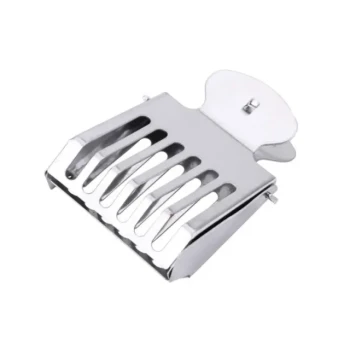
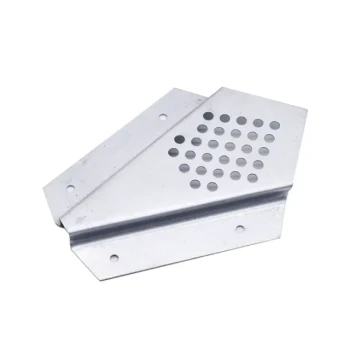
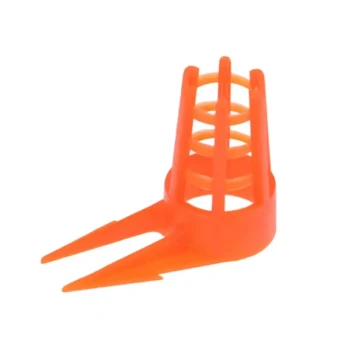
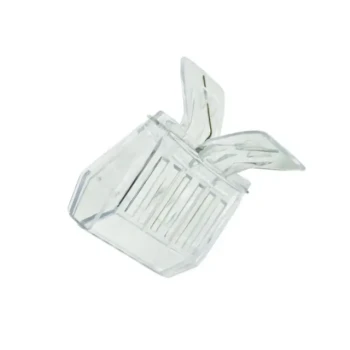
A 2024 study has challenged long-held assumptions about the negative impacts of queen excluders on hive productivity. The research concluded that the use of these devices had no discernible negative effect on colony dynamics, overall honey yield, or the amount of brood produced.
While beekeepers often fear that restricting the queen reduces productivity, recent data indicates that excluders do not inherently compromise honey volume or population growth, though research into their subtle effects on honey quality is ongoing.
Analyzing the 2024 Findings
Impact on Honey Production
For many apiarists, the primary concern regarding excluders is the potential for reduced harvest. The 2024 study explicitly found that separating the queen from the honey supers did not reduce honey yield.
Brood Development
The study also addressed the health of the colony's population. It determined that the presence of an excluder did not decrease brood production, suggesting the queen remained effective within her designated area.
Areas of Ongoing Inquiry
While the major metrics (honey and brood) remained stable, the study noted that the science is not yet complete. Researchers are still investigating how excluders might influence honey quality and the finer details of labor dynamics within the hive.
Operational Trade-offs and Considerations
While the 2024 study provides reassurance regarding yield, practical application involves operational risks detailed in broader management contexts.
The "Honey Barrier" Risk
Despite the study's findings on total yield, individual colony behavior varies. Some bees may be reluctant to cross the excluder. If workers refuse to move up, they may backfill the brood boxes with honey and pollen, restricting the queen's laying space and potentially increasing the risk of swarming.
Physical Risks to the Colony
The design of the equipment matters. Some excluders feature sharp edges that can damage the wings of worker bees as they squeeze through, effectively shortening their lifespan. Additionally, larger drone bees cannot pass through the gaps; they can become trapped and die, creating debris and stress within the hive.
Maintenance Requirements
Excluders add a layer of maintenance to hive management. Bees often bridge the gaps with wax or propolis, requiring regular cleaning to maintain airflow and allow bees to move freely between boxes.
Making the Right Choice for Your Apiary
The decision to use a queen excluder involves balancing the statistical data on yield against the philosophy of your management style.
- If your primary focus is production efficiency: You can utilize excluders with confidence, as recent data suggests they will not negatively impact your total honey harvest or brood count.
- If your primary focus is natural beekeeping: You may choose to forego the excluder to avoid unnaturally restricting the queen and to eliminate the risk of drone entrapment.
- If your primary focus is equipment safety: Rigorously inspect any excluder before use to ensure it lacks sharp edges that could physically damage your workforce.
Ultimately, while the biological cost of using an excluder appears negligible according to recent science, the operational management of the device remains a critical factor for success.
Summary Table:
| Impact Category | Research Finding (2024 Study) | Practical Operational Consideration |
|---|---|---|
| Honey Yield | No negative effect on total harvest volume | Risk of 'honey barrier' if bees are reluctant to cross |
| Brood Production | Queen effectiveness & brood count remained stable | Backfilling may occur if honey isn't moved to supers |
| Colony Health | No discernible impact on population dynamics | Sharp edges or poor design can damage worker wings |
| Maintenance | N/A | Requires cleaning of wax and propolis to maintain access |
| Drone Management | Not the primary focus of yield study | Drones can become trapped, requiring exit strategies |
Maximize Your Apiary’s Efficiency with HONESTBEE
Are you looking to optimize your commercial honey production based on the latest 2024 research? At HONESTBEE, we specialize in supporting commercial apiaries and distributors with high-quality, precision-engineered beekeeping equipment. From professional-grade queen excluders designed to protect your workforce to industrial honey-filling machines and hive-making hardware, we provide the full spectrum of tools needed for large-scale success.
Why partner with HONESTBEE?
- Comprehensive Wholesale Catalog: Access everything from specialized machinery to essential industry consumables.
- Quality-Driven Design: Our equipment is built to minimize physical risks to your bees while maximizing operational output.
- Expert Support: We understand the needs of professional beekeepers and offer tailored solutions for your growth.
Ready to upgrade your equipment or stock your distribution center? Contact us today to explore our wholesale offerings!
Related Products
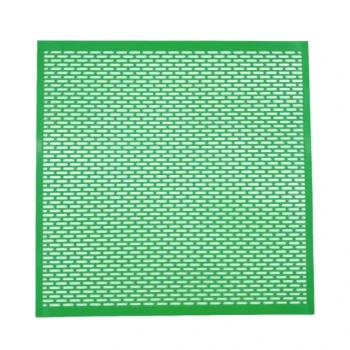
- High Performance Plastic Queen Excluder for Beekeeping and Apiary Management
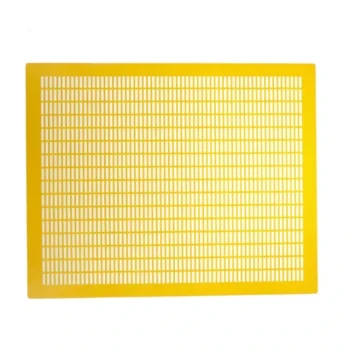
- Professional Plastic Queen Excluder for Modern Beekeeping
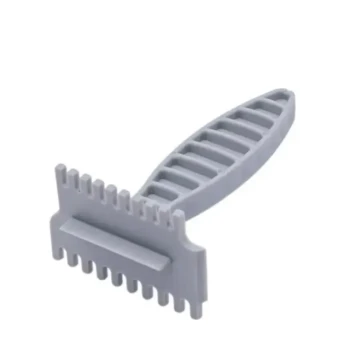
- Lightweight Durable Plastic Queen Excluder Scraper for Beekeeping
- Metal Queen Bee Excluder for Beekeeping
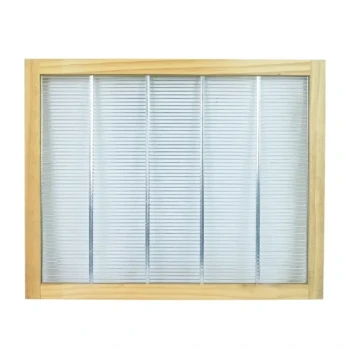
- Premium Wood Framed Metal Wire Queen Bee Excluder
People Also Ask
- What are the characteristics of a plastic queen excluder? Key Benefits for Cost-Effective Beekeeping
- What are the operational and cost advantages of using plastic queen excluders over metal or wire excluders in commercial hive management? Discover how they reduce labor, prevent wing damage, and lower total costs.
- What types of queen excluders are available for beekeepers? Choose the Right Tool for Your Hive
- Why are standardized hive frames and queen excluders essential for maintaining honey purity and quality? Scale Your Purity
- Do plastic queen excluders work? A Cost-Effective Solution for Modern Apiaries