The process of honey packaging is a precise workflow involving three fundamental mechanical stages: filling, sealing, and labeling. While the specific machinery may vary based on scale, the core objective remains consistent: transferring filtered honey into containers while strictly controlling environmental exposure to protect the product's integrity.
The ultimate goal of honey packaging is not merely containment, but preservation. The process hinges on creating an airtight barrier that defends the product against moisture, oxidation, and contaminants to maintain natural aroma and flavor.
The Core Stages of Packaging
Preparation and Sanitation
Before the physical packaging begins, the honey itself must be prepared. This typically involves filtering the raw product to ensure it is clean and free of debris.
Equally important is the sanitation of the machinery. To prevent microbial contamination, all processing and packaging equipment must be thoroughly cleaned and sanitized before operations commence.
Precision Filling
Once the honey is filtered, it moves to the filling stage. This requires selecting appropriate machinery capable of dispensing the correct volume of honey into food-grade containers.
Modern filling equipment is designed to handle the viscosity of honey, ensuring containers are filled efficiently without introducing contaminants or excessive air bubbles.
Hermetic Sealing
This is arguably the most critical step for product longevity. An airtight seal is applied to the filled container to "lock in" the honey's quality.
Effective sealing prohibits oxidation and blocks the entry of moisture, which is the primary enemy of honey preservation. By preventing environmental factors from interacting with the product, the seal preserves freshness and flavor.
Automated Labeling
The final stage of the physical process is labeling. As containers move through a labeling station, machines accurately apply labels to the bottle or jar.
This step serves two purposes: providing essential product information for the consumer and enhancing the product's visual shelf appeal.
The Role of Container Selection
Material Integrity
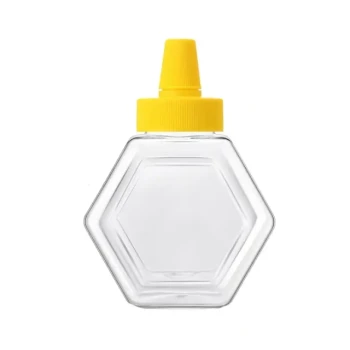
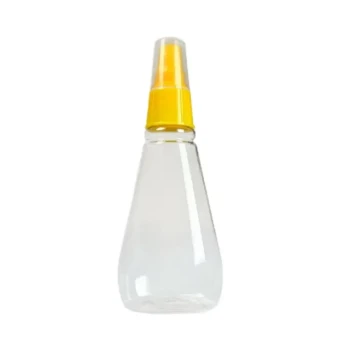
Using food-grade bottles is non-negotiable for maintaining quality. High-quality packaging materials prevent the honey from deteriorating due to chemical reactions or leaching.
Protection from Elements
Advanced container designs offer more than just storage; they actively protect the contents. Some high-quality bottles are designed to block ultraviolet (UV) radiation, which can degrade honey over time.
Market Adaptability
Packaging also involves strategic decisions regarding capacity. Producers often utilize bottles of various sizes to meet different consumer needs, ranging from small household jars to larger gift-sized capacities, thereby increasing market competitiveness.
Common Pitfalls to Avoid
Neglecting Seal Quality
If the sealing process is flawed, the packaging fails its primary duty. A compromised seal allows moisture ingress, which can lead to fermentation and spoilage, ruining the product's shelf life.
Overlooking Equipment Hygiene
Even with a perfect seal, packaging is futile if the equipment is dirty. Failure to sanitize filling machinery introduces microbes at the source, compromising the safety and quality of the honey regardless of the container used.
Making the Right Choice for Your Goals
To optimize your packaging process, align your equipment and material choices with your specific business objectives:
- If your primary focus is Long-Term Preservation: Prioritize machinery that guarantees a hermetic, airtight seal and containers that offer UV protection to block oxidation.
- If your primary focus is Market Competitiveness: Invest in high-quality, modern bottle designs with varying capacities and high-precision labeling equipment to maximize shelf appeal.
Effective packaging is the bridge that allows honey to maintain its natural standard of quality for years after harvest.
Summary Table:
| Stage | Key Objective | Equipment Required |
|---|---|---|
| 1. Preparation | Filtration & Sanitation | Filters, Industrial Washers |
| 2. Filling | Volumetric Precision | Piston or Gravity Filling Machines |
| 3. Sealing | Airtight Preservation | Induction or Cap Sealing Machines |
| 4. Labeling | Branding & Info | Automatic Labeling Applicators |
Elevate Your Honey Production with HONESTBEE
Are you looking to scale your apiary operations or expand your distribution? HONESTBEE specializes in providing commercial-grade beekeeping solutions tailored to your growth.
From high-precision honey-filling machines and sealing equipment to specialized hive-making machinery, we supply the full spectrum of tools needed to protect your product's integrity. We also offer a wide array of essential industry consumables and honey-themed cultural merchandise to give your brand a competitive edge in the global market.
Maximize your efficiency and shelf appeal today. Contact our wholesale experts to receive a customized equipment quote and discover how our comprehensive portfolio can support your business.
Related Products
- Fully Automatic Honey Filling Packaging Machine for Processing Line
- Automatic Single-Dose Snap & Squeeze Honey Sachets Packing Machine
- Double Nozzle Small Honey Filling Machine Honey Sachet Packing Packaging Equipment
- Economy Small Honey Filling Machine Honey Bottle Filler Packaging Machine
- Small Honey Filling Machine Sachet Packing Equipment Single Nozzle
People Also Ask
- Why are fully automatic honey filling and packaging lines essential? Boost Your Honey's Market Value and Quality
- What is a fully-automatic honey filler? Streamline Your Production with High-Precision Automation
- How do automated honey filling and packaging machines affect profitability? Boost Margins with HONESTBEE Technology
- How do automated honey filling and packaging machines contribute to the market value of honey products? Maximize Your ROI
- How do industrial-grade automated honey filling and packaging machines mitigate the risk of physical contamination?