Honey bee bearding is a natural thermoregulation response triggered by specific environmental stressors. This phenomenon typically occurs when a colony faces a combination of high outdoor temperatures, elevated humidity levels, and internal physical congestion within the hive.
Bearding is a deliberate strategy used by the colony to manage its microclimate. By physically removing themselves from the hive structure, adult bees immediately lower the internal temperature and clear the way for essential ventilation.
The Environmental Triggers
Bearding is primarily a reaction to the external environment overpowering the hive's internal stability.
The Impact of High Temperatures
The brood nest requires a precise temperature range for larvae to survive. When outdoor temperatures spike, the heat generated by thousands of bee bodies becomes a liability rather than an asset.
The Role of Humidity
High humidity exacerbates the heat issue by making evaporative cooling less effective. Moist air is heavier and harder to circulate, forcing the bees to take drastic measures to maintain airflow.
Internal Hive Dynamics
The physical state of the colony is just as critical as the weather outside.
Internal Congestion
A strong, healthy colony often produces a "booming" population during peak season. This congestion restricts air movement and traps biological heat inside the brood chambers.
Facilitating Ventilation
By clustering on the exterior landing board or face of the hive, the bees reduce the physical obstruction inside. This evacuation allows the remaining bees to fan their wings and circulate fresh air through the combs more efficiently.
Distinguishing Bearding from Distress
It is crucial to interpret this behavior correctly to avoid unnecessary intervention.
Bearding vs. Swarming
Bearding is often mistaken for swarming, but the two are distinct. Bearding bees will eventually retreat back inside once the temperature drops, whereas a swarm leaves permanently to find a new home.
The "Do Nothing" Approach
Because bearding is a solution, not a problem, disturbing the bees can be counterproductive. Smoke or manipulation disrupts their cooling efforts and drives hot bees back into the hive, spiking the temperature again.
Monitoring Hive Health
While bearding is normal, it serves as a visual indicator of the hive's capacity.
If your primary focus is temperature management: ensure the hive has adequate ventilation, such as screened bottom boards or upper entrances, to assist airflow.
If your primary focus is population management: consider adding honey supers to provide more physical space if the bearding is constant and heavy, as this may indicate the colony has outgrown its quarters.
Bearding is a sign of a robust population actively solving a thermal problem; observing it confirms your bees are effectively managing their environment.
Summary Table:
| Trigger Factor | Condition Type | Impact on Hive | Recommended Action |
|---|---|---|---|
| High Temperature | Environmental | Raises brood nest heat beyond safe limits | Ensure shade or cooling |
| High Humidity | Environmental | Hinders evaporative cooling and airflow | Improve ventilation access |
| Congestion | Internal | Blocks air circulation; traps metabolic heat | Add honey supers for space |
| Population Bloom | Internal | Increases total heat output and density | Monitor for swarming vs. bearding |
Maximize Your Apiary’s Productivity with HONESTBEE
Is your booming colony outgrowing its space or struggling with heat management? HONESTBEE specializes in supporting commercial apiaries and distributors with the high-capacity equipment needed to manage robust honey bee populations.
From advanced hive-making machinery and ventilated hive components to industrial honey-filling machines and a full spectrum of beekeeping tools, we provide the hardware you need to scale. Whether you are looking for bulk industry consumables or specialized hardware to streamline your operations, our wholesale offerings are designed for your success.
Ready to upgrade your apiary’s efficiency? Contact our experts today to learn how HONESTBEE can supply your business with the professional-grade tools required for peak performance.
Related Products
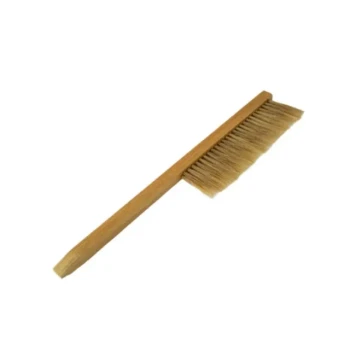
- Classic Wooden Bee Brush with Double-Row Boar Bristles
- HONESTBEE Entrance Bee Feeder Professional Hive Nutrition Solution for Beekeeping
- Stainless Steel Honey Bee Smoker Hive and Honeycomb Smoker for Beekeeping
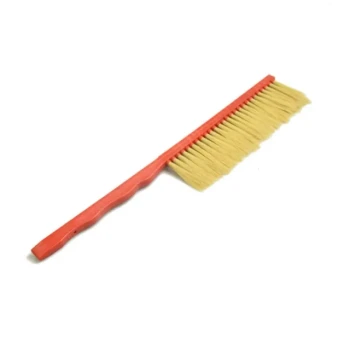
- Plastic Handle Single Row Artificial Fiber Bee Brush
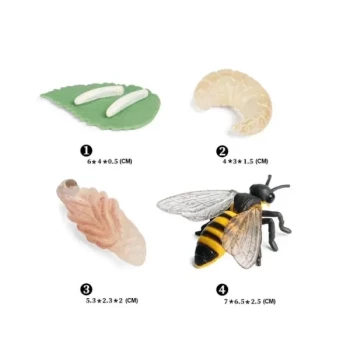
- Honey Bee Lifecycle Model: A Detailed Honeycomb Display of Bee Development
People Also Ask
- What are the key features of a popular bee brush? Essential Design for Bee Safety and Hive Hygiene
- What are the key characteristics of the bristles on a bee brush? Master Gentle and Efficient Bee Removal
- What is a bee brush and what is its primary use? A Gentle Tool for Hive Management
- What is the purpose of using a bee brush during the inspection of hive components? Safe & Precise Hive Management
- What is the specific function of a bee brush? Ensure Pure Harvests and Colony Welfare During Honey Extraction