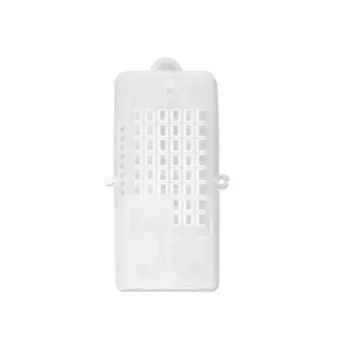
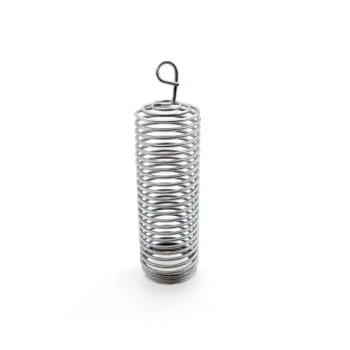
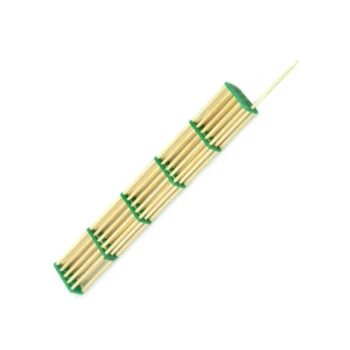
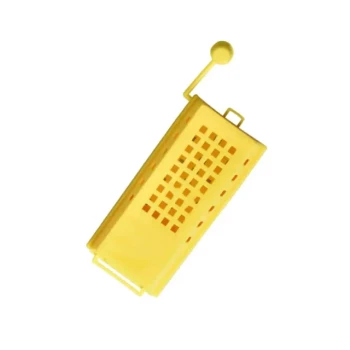
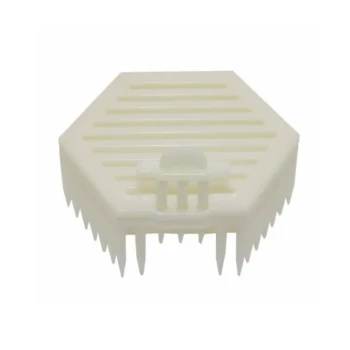
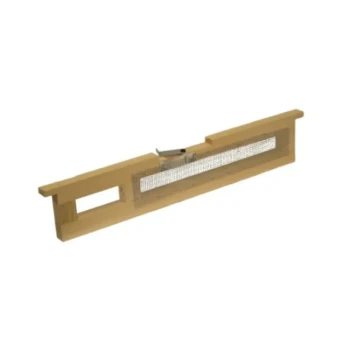
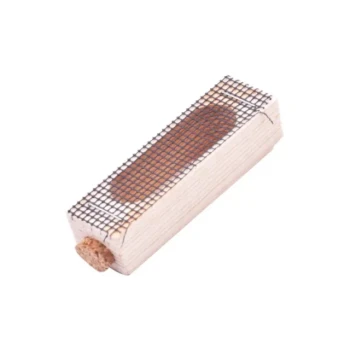
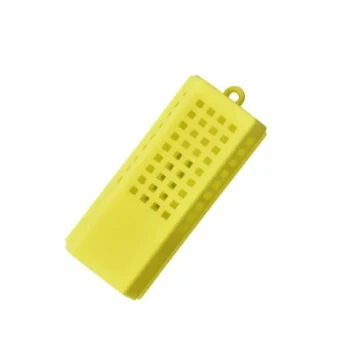
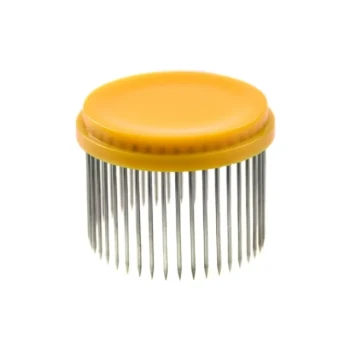
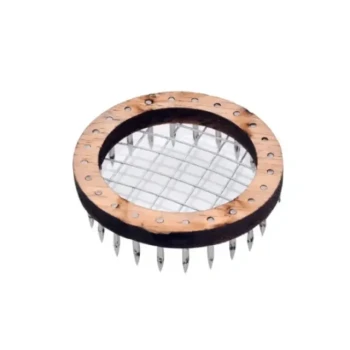
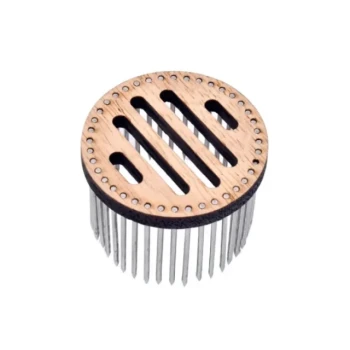
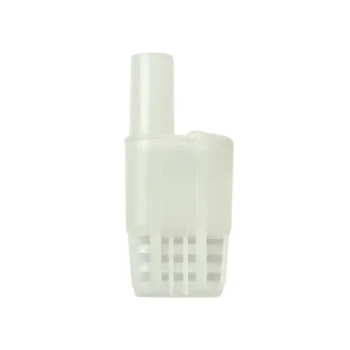
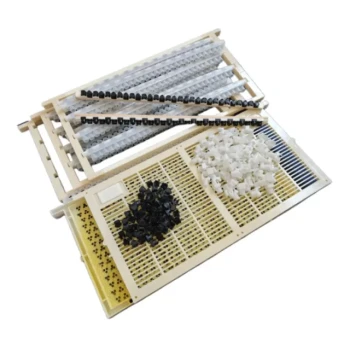
Professional bee rearing cages for laboratory experiments require a specific set of design parameters to ensure valid scientific data. These cages must feature excellent ventilation systems, integrated feeding interfaces to mimic natural survival conditions, and construction using chemically stable materials that allow for thorough disinfection.
To accurately assess bee longevity and treatment effects, the rearing environment must eliminate confounding variables. Cage design must prioritize environmental simulation and strict hygiene to ensure that survival data reflects the experimental treatment rather than the limitations of the container.
Replicating the Survival Environment
For laboratory colony experiments to yield actionable data, the physical environment must simulate the conditions necessary for a honey bee's survival outside the hive.
Optimizing Ventilation
Professional cages must feature excellent ventilation. This is critical for maintaining air quality and regulating humidity within the confined space of the lab setting.
Without adequate airflow, moisture buildup can occur, potentially encouraging mold growth or causing respiratory stress that skews survival data.
Integrated Feeding Interfaces
The design must include integrated feeding interfaces. These mechanisms allow researchers to provide nutrition in a way that simulates natural feeding behaviors under controlled conditions.
Properly designed interfaces ensure consistent access to food without disturbing the colony or compromising the containment of the experiment.
Material Integrity and Hygiene
The validity of an experiment, particularly when testing fungal extracts or other treatments, relies heavily on the inert nature of the testing apparatus.
Material Stability and Toxicity
Cages must be constructed from stable materials. It is imperative that the container itself does not introduce "container-related toxicity."
If the material degrades or off-gasses, it creates a variable that interferes with the assessment of bee longevity, making it impossible to isolate the effects of the actual experimental treatment.
Sanitation and Disinfection
The construction materials must be easily disinfected. Laboratory protocols require rigorous cleaning between trials to maintain a sterile baseline.
Surfaces that harbor pathogens or resist cleaning agents can lead to hygiene issues, potentially introducing bacterial or viral infections that invalidate survival monitoring periods.
Common Pitfalls to Avoid
Even with professional equipment, oversight in environmental control can compromise long-term studies.
The Risk of Cross-Infection
In setups utilizing mesh or flight cages, a lack of physical isolation is a critical failure point.
Without distinct environmental barriers, honeybees from different experimental groups may mix. This mixing allows for the cross-infection of parasites, such as Varroa mites, which renders comparative health data useless.
Overlooking "Container Effects"
A common error is attributing mortality to the treatment when it is actually caused by the housing.
If a cage is not verified for chemical stability, researchers risk measuring the toxicity of the plastic or adhesive used in the cage construction rather than the efficacy of the fungal extract being tested.
Making the Right Choice for Your Goal
Selecting the correct rearing cage is about matching the hardware to your specific experimental variable.
- If your primary focus is assessing toxicity or longevity: Prioritize cages made from inert, stable materials to ensure mortality is driven solely by the treatment, not the container.
- If your primary focus is disease transmission or colony health: Ensure your setup utilizes mesh barriers or physical isolation to prevent cross-infection and unplanned mixing between groups.
Experimental rigor begins with the hardware; ensure your cage design eliminates environmental noise so your data can speak clearly.
Summary Table:
| Requirement Category | Key Specification | Impact on Experimental Data |
|---|---|---|
| Ventilation | High-airflow mesh/design | Prevents mold growth and moisture-related respiratory stress. |
| Feeding Interface | Integrated access points | Simulates natural feeding behaviors without colony disturbance. |
| Material Quality | Chemically stable & inert | Eliminates "container-related toxicity" and off-gassing variables. |
| Sanitation | Autoclavable/Easy-disinfect | Prevents cross-contamination and pathogen carry-over between trials. |
| Isolation | Physical barriers | Prevents cross-infection of Varroa mites and unintended group mixing. |
Elevate Your Research and Operations with HONESTBEE
Precision in beekeeping—whether in the laboratory or the commercial apiary—requires professional-grade equipment that eliminates variables and maximizes productivity. HONESTBEE specializes in supporting commercial apiaries and global distributors with a comprehensive wholesale portfolio.
From specialized laboratory-ready hardware to high-efficiency honey-filling and hive-making machinery, we provide the full spectrum of tools, consumables, and cultural merchandise needed to scale your business.
Ready to upgrade your equipment or expand your distribution inventory? Contact HONESTBEE today to discuss how our wholesale solutions can drive your success.
References
- Dong‐Jun Kim, Soo Dong Woo. Screening of Entomopathogenic Fungal Culture Extracts with Honeybee Nosemosis Inhibitory Activity. DOI: 10.3390/insects14060538
This article is also based on technical information from HonestBee Knowledge Base .
Related Products
- Professional Multi-Functional Queen Bee Cage
- Premium Nicot Style Queen Rearing Kit with Hair Roller Bee Cages
- Durable Galvanized Steel Spring Queen Bee Cage
- Professional Queen Bee Introduction and Transport Cage
- Professional Bamboo Queen Isolation Cage
People Also Ask
- Why are specialized queen bee cages used for the banking of mated queen bees? Maximize Commercial Apiary Storage Efficiency
- What is the mechanism of action for using temporary queen bee cages? Master Successful Queen Introduction
- What technical precaution must be taken regarding the mesh or grill side of a queen bee cage? Ensure Queen Survival
- What is the step-by-step process for installing a queen bee's cage onto a frame? Ensure Hive Acceptance Safely
- How is a queen bee released from a queen cage? Ensure Safe Colony Integration & Hive Success