Urban beekeeping succeeds when equipment, site planning, and colony management work together. Essential equipment includes standardized hive assemblies, stable hive stands, protective suits and veils, gloves, smokers, hive tools, inspection brushes, feeders, and suitable honey-processing tools. Essential management techniques include careful site selection, regular inspections, swarm monitoring, gentle handling, neighbor communication, and compliance with local placement and safety requirements.
Urban apiaries need compact, standardized equipment that supports safe inspections and efficient maintenance in limited spaces. The strongest operations combine reliable hive hardware and protective gear with disciplined monitoring, low-impact handling, and responsive local management.
Build the Operation Around Standardized Hive Equipment
Choose modular hive assemblies
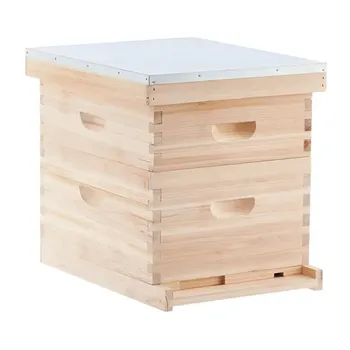
A complete hive kit should include the hive body, frames, inner cover, outer cover, and compatible hardware. Langstroth or nucleus hives are practical choices because standardized components are easier to inspect, replace, expand, and source.
Modular equipment is especially valuable for rooftops and small backyards. It simplifies inventory management and allows operators to add or replace components without redesigning the entire apiary.
Provide stable hive stands
Hive stands keep colonies elevated from damp ground, improve access for inspections, and help protect equipment from deterioration. In rooftop settings, stands should also support a stable, level installation without damaging the roof surface.
The stand and hive should be positioned so that routine lifting, inspection, and maintenance can be performed safely. Stability is a priority in exposed urban locations where wind and restricted access can complicate handling.
Include internal hive components
Useful internal components include frames, inner covers, queen excluders, and internal feeders. Their value depends on the management system, but having compatible components available prevents delays during inspections and seasonal adjustments.
A well-organized component inventory also helps distributors and resellers provide a complete solution rather than isolated products. Compatibility between hive bodies, frames, covers, and feeders should be confirmed before purchase.
Protect the Operator During Every Inspection
Use complete protective apparel
Core protective equipment includes a bee suit or jacket, hat with veil, gloves, and suitable footwear. A full suit offers more coverage for new operators, educational programs, and inspections in colonies with uncertain temperament.
Ventilated suits and jackets are particularly useful in hot urban environments. Comfort is not merely a convenience: excessive heat can reduce concentration and make careful hive handling more difficult.
Keep inspection tools together
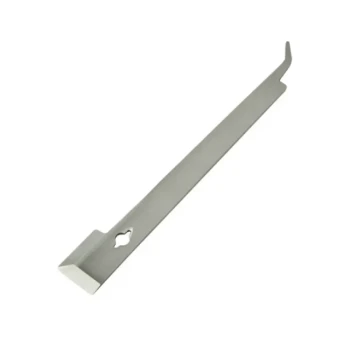
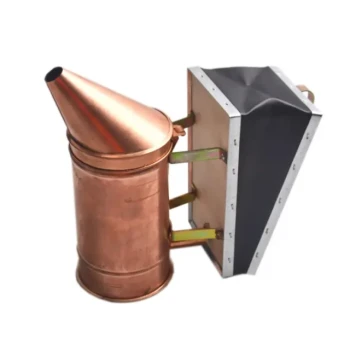
Every inspection kit should include a hive tool, smoker, and bee brush. The hive tool separates propolized hive components, the smoker helps maintain a manageable colony temperament, and the brush can move bees gently when access is required.
Operators should keep these tools clean, functional, and immediately accessible. Searching for equipment while a hive is open increases handling time and can make the inspection less controlled.
Select a reliable smoker
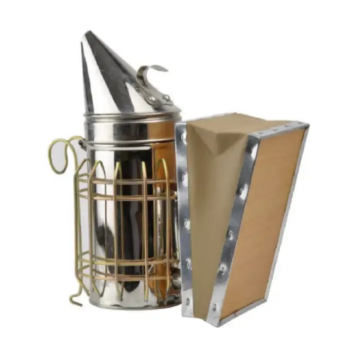
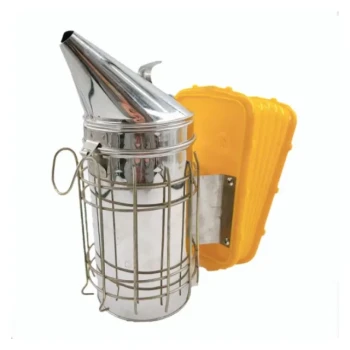
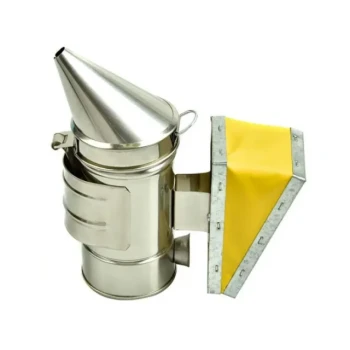
A high-performing bee smoker is central to routine hive maintenance. It should produce consistent, manageable smoke and be practical to carry around rooftops, balconies, or confined backyard spaces.
Smoke should support calm handling rather than replace good technique. Gentle movements, limited disturbance, and a clear inspection plan remain essential.
Manage Urban Sites Before Installing Colonies
Evaluate space and access
Urban sites may be small, elevated, difficult to access, or close to public areas. Before installation, assess available working space, safe approach routes, equipment storage, wind exposure, and the ability to move hive components without creating hazards.
Rooftop and backyard operations require different logistical plans. A rooftop may need controlled transport and secure placement, while a backyard may require careful orientation of entrances and separation from household activity.
Account for local microclimates
Buildings, paved surfaces, walls, and neighboring structures create localized temperature and wind conditions. These urban microclimates can affect hive exposure and the beekeeper’s ability to work safely.
Position hives to provide suitable shelter while maintaining adequate access for inspections. Avoid locations where heat, wind, drainage problems, or public traffic create persistent stress for either bees or people.
Follow municipal requirements
Urban beekeepers must check applicable municipal placement guidelines, property rules, and safety standards before establishing an apiary. Requirements may address hive location, barriers, water access, registration, or relationships with neighboring properties.
These obligations should be treated as part of the setup process, not as an afterthought. A compliant site is easier to operate, insure, explain to neighbors, and scale.
Use Management Techniques That Fit a Populated Environment
Inspect colonies on a consistent schedule
Regular inspections help the beekeeper evaluate colony condition, available space, food stores, queen-related signs, and equipment condition. The schedule should reflect season, weather, colony development, and local conditions rather than relying on a rigid calendar alone.
Inspections should be purposeful and efficient. Prepare the equipment first, open the hive only as long as necessary, and record important observations after each visit.
Monitor swarming behavior
Urban operators must pay close attention to signs of overcrowding and swarming because colonies are located near homes, pedestrians, and other properties. Modular hive equipment makes it easier to respond by adjusting space and replacing or adding compatible components when appropriate.
Swarm monitoring is both a colony-management practice and a neighborhood risk-control measure. It should be incorporated into routine inspections rather than handled only after bees leave the hive.
Handle colonies gently
A smoker, hive tool, and brush support controlled inspections, but technique determines how effective they are. Work calmly, avoid unnecessary crushing of bees, and limit the duration and disruption of each inspection.
Gentle management is particularly important in urban settings where repeated disturbance can increase defensive behavior. The goal is to maintain a stable colony while protecting the operator and surrounding community.
Provide feed and health inputs responsibly
Feeders may be needed when colonies have insufficient stores or when seasonal conditions limit forage. Appropriate feeds and medications should be selected and used according to colony needs, product instructions, and applicable beekeeping guidance.
Urban beekeepers should avoid treating or feeding automatically without inspection findings. Maintain clear records of what was used, when it was used, and why the action was taken.
Maintain accurate operating records
Records should cover inspection dates, colony condition, swarm indicators, feeding, medications, equipment changes, and honey harvesting. These notes help identify trends and support consistent decisions across multiple hives.
For distributors, wholesalers, and educational programs, standardized recordkeeping also improves training and customer support. It provides a practical way to connect equipment sales with ongoing management needs.
Process Honey Without Overbuilding the Apiary
Match processing equipment to operation size
Small urban apiaries generally benefit from compact, manual, or small-capacity processing equipment. A lightweight uncapping tool and a small honey extractor can support small-batch harvesting without requiring industrial machinery.
For larger or commercial operations, a honey extractor and wax-processing machine may be appropriate additions. The correct scale depends on colony count, harvest volume, available workspace, cleaning capacity, and expected growth.
Plan for clean handling and storage
Honey-processing equipment should be easy to clean and compatible with the beekeeper’s workflow. Uncapping, extraction, filtering, storage, and packaging should be arranged to minimize contamination and unnecessary movement.
Equipment suppliers can add value by offering coordinated processing tools, consumables, and packaging support rather than treating the extractor as a standalone purchase.
Understanding the Trade-offs
Standardization versus flexibility
Standardized hive components simplify training, replacement, expansion, and fulfillment. However, a single hive format may not suit every beekeeper, site, or management philosophy.
The practical solution is to focus on compatible product families and clearly identify which components work together. This preserves flexibility without creating an unmanageable mix of parts.
Compact tools versus processing capacity
Compact equipment is easier to transport and better suited to rooftops, backyards, and small-batch production. Its limitation is lower throughput when the operation expands.
Start with equipment that matches current volume, but consider future capacity when selecting extractors, wax equipment, and storage systems. Replacing undersized equipment too soon can be more expensive than planning a staged upgrade.
Protective coverage versus heat management
Full protective suits provide strong sting protection, but they can be hot and restrictive during summer inspections. Ventilated gear improves comfort while preserving coverage, but it still requires correct fit and careful use.
Protective equipment should be selected according to operator experience, weather, colony temperament, and the inspection environment. No garment eliminates the need for calm handling and safe procedures.
Low-impact management versus intervention
Urban and minimal-treatment approaches can reduce unnecessary intervention and support localized, small-scale production. They do not eliminate the need for monitoring, responsible health decisions, or appropriate action when a colony is under pressure.
The sound principle is minimal unnecessary intervention, not minimal attention. Colonies should be observed consistently and managed according to evidence.
How to Apply This to Your Project
A dependable urban apiary is best developed as a complete operating system rather than a collection of unrelated products.
- If your primary focus is starting a small backyard or rooftop apiary: Prioritize a compatible hive kit, stable stands, complete protective apparel, a reliable smoker, hive tools, feeders, and a simple inspection-record system.
- If your primary focus is safe and efficient colony management: Build procedures around regular inspections, swarm monitoring, gentle handling, local microclimate assessment, and accurate records.
- If your primary focus is small-batch honey production: Add lightweight uncapping equipment, a compact honey extractor, suitable storage supplies, and cleaning procedures matched to your harvest volume.
- If your primary focus is supplying beekeepers or educational programs: Offer standardized complete hive assemblies, protective gear, inspection tools, feeders, processing equipment, and responsive technical support as a coordinated product portfolio.
- If your primary focus is scaling an urban operation: Choose modular components and staged processing equipment so additional colonies can be added without replacing the entire equipment base.
With the right equipment, disciplined management, and dependable supply support, an urban apiary can remain safe, efficient, and manageable even in a limited and densely populated environment.
Summary Table:
| Equipment | Purpose |
|---|---|
| Modular hive assemblies (Langstroth/nucleus) | Standardized housing for easy inspection and expansion |
| Hive stands | Elevate hives off ground; stabilize on rooftops |
| Protective suits, veils, gloves | Operator safety during inspections |
| Smoker, hive tool, brush | Calm bees, separate components, move bees gently |
| Feeders | Provide supplemental nutrition when needed |
| Honey processing tools (uncapping knife, extractor) | Harvest and process honey efficiently |
| Management Technique | Purpose |
|---|---|
| Site selection and microclimate assessment | Ensure safety, compliance, and suitable conditions |
| Regular inspections | Monitor colony health, space, queen, and equipment |
| Swarm monitoring | Prevent swarms in populated areas |
| Gentle handling | Minimize defensive behavior and disturbance |
| Record keeping | Track colony health and interventions |
Equip your urban apiary for success with HONESTBEE
As a leading wholesale supplier, we provide a complete range of high-quality beekeeping tools, machinery, and consumables—from standardized hive components to protective gear and honey processing equipment. Our one-stop sourcing solution ensures you get reliable products, fast delivery, and dedicated support, helping you build a safe and productive operation. Whether you're a distributor, wholesaler, or beekeeper, we offer competitive pricing, OEM/ODM support, and certifications to meet your B2B demands.
Contact us today to discuss your requirements and experience the HONESTBEE advantage!
Related Products
- Stainless Steel J Hook Hive Tool for Beekeeping
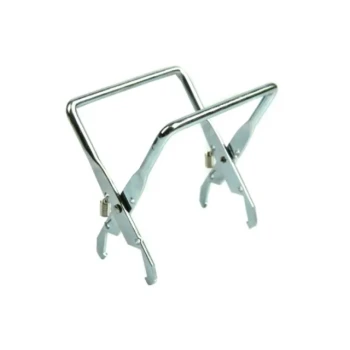
- Durable Galvanized Steel Frame Grip
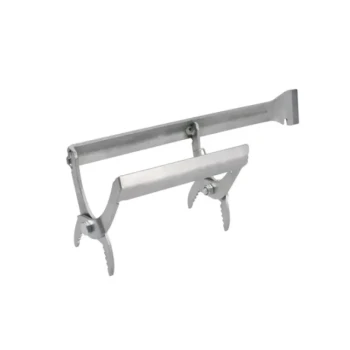
- Multi-Function Plier-Style Frame Grip Hive Tool
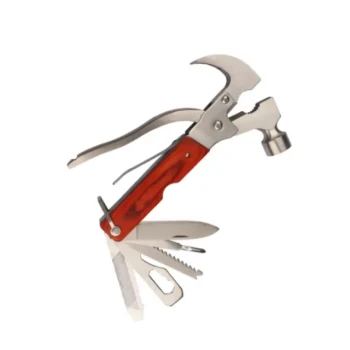
- HONESTBEE 15-in-1 Beekeeper Multi-Tool with Hammer and Pliers for Beekeeping
- Stainless Steel Honey Bee Smoker Hive and Honeycomb Smoker for Beekeeping
People Also Ask
- What specific challenges do beekeeping hive tools address during hive maintenance? Essential Solutions for Apiaries
- What is a J-hook hive tool and why is it favored by some beekeepers? Master Gentle Frame Handling
- What are the features of a J-hook hive tool? Effortlessly Lift Frames with Superior Leverage
- What is the purpose of the J-hook hive tool? Effortlessly Lift Frames with Superior Leverage
- How is a J-hook hive tool designed and what is its primary use? Master Effortless Hive Inspections