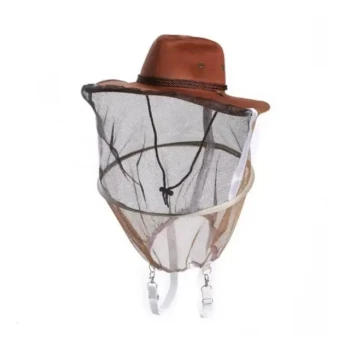
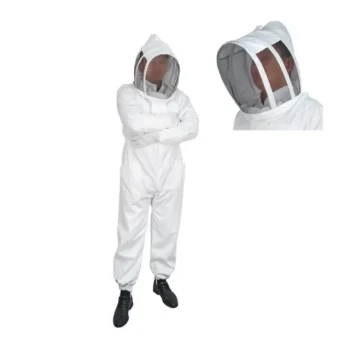
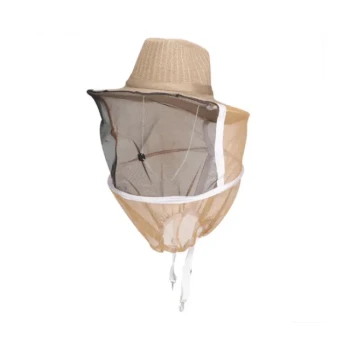
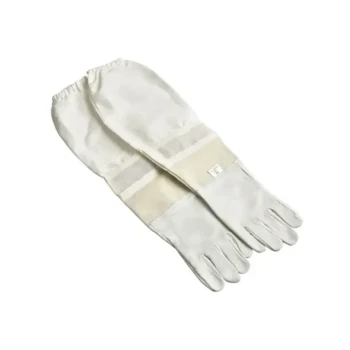
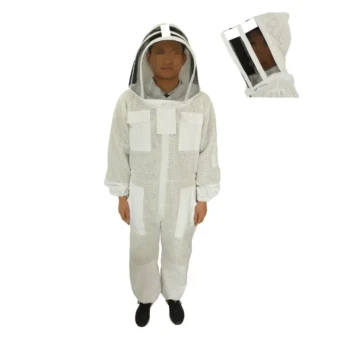
The selection of beekeeping protective equipment relies primarily on the intensity of the task and the expected duration of the hive exposure. For comprehensive, long-duration inspections, full-body suits offer the necessary maximum coverage, whereas jackets and gloves often suffice for brief, low-intensity assessments. Environmental conditions and the need for freedom of movement also play critical roles in determining the correct gear configuration.
Core Takeaway The ideal protective gear is determined by the specific demands of the job rather than a "one-size-fits-all" approach. Thorough inspections require full-body barriers, while quick tasks prioritize mobility, provided the equipment fits loosely to ensure safety and comfort.
Matching Gear to Task Intensity
Comprehensive Protection for Deep Inspections
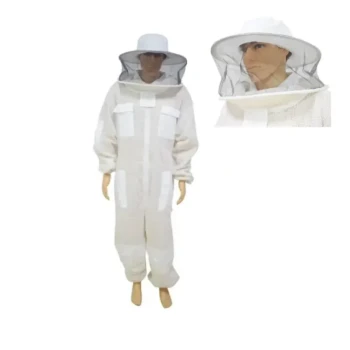
When performing thorough, long-duration hive inspections, the primary reference recommends full-body suits.
These tasks increase the likelihood of agitation within the colony. A full suit provides total body protection from head to toe, ensuring that no skin is left exposed during extended periods of handling frames.
Lighter Gear for Quick Assessments
For brief hive assessments where the colony is less likely to be fully disturbed, beekeeping jackets and veils are often sufficient.
This configuration protects the upper body, head, and eyes while leaving the legs exposed. This is generally acceptable for experienced beekeepers conducting routine checks that do not require deep manipulation of the hive.
Evaluating Design and Fit
The Importance of a Loose Fit
Regardless of the type of gear selected, the fit is vital for both safety and operator comfort.
Protective clothing should be worn with a loose fit. It is often advisable to choose a size larger than your standard clothing size. A tight fit not only restricts necessary freedom of movement but can also make the wearer feel hotter and reduce the gap between the fabric and skin, potentially allowing stings to penetrate.
Construction Quality and Durability
For equipment to be reliable, specific construction details must be evaluated.
Look for suits featuring double-stitched seams, which enhance durability against tears and wear. Additionally, the material should be strong yet machine washable, allowing for easier laundering and maintenance of apiary hygiene.
Critical Sealing Features
To ensure the physical barrier is effective, you must inspect the entry points of the clothing.
High-quality gear must feature tight elastic around the ankles and wrists. This prevents bees from crawling inside the suit or sleeves, which is a common vulnerability in poorly designed equipment.
Understanding the Trade-offs
Heat vs. Protection
While full suits offer maximum safety, they can contribute to heat buildup.
A loose fit helps mitigate this by allowing air circulation, but beekeepers must balance the need for full-body armor against the risk of overheating during strenuous work in hot weather.
Post-Task Risks
Wearing protective gear can create a false sense of security if not managed correctly.
After handling a colony, you must carefully check zippers and fabric folds for stray bees. Removing gear without this final check is a common way to receive stings even after the work is finished.
Making the Right Choice for Your Goal
- If your primary focus is maximum safety during long inspections: Prioritize a full-body suit with double-stitched seams and secure elastic seals to eliminate exposure points.
- If your primary focus is agility for quick checks: Opt for a jacket and veil combination that protects the upper body while allowing for greater ease of movement.
- If your primary focus is comfort and temperature management: Ensure you select a size larger than normal to create a loose fit that improves airflow and prevents the fabric from pressing against the skin.
Select the gear that matches the intensity of your work to ensure you are protected without being hindered.
Summary Table:
| Task Type | Recommended Gear | Key Features | Protection Level |
|---|---|---|---|
| Deep Hive Inspections | Full-Body Suit | Double-stitched seams, elastic seals | Maximum |
| Quick Assessments | Jacket & Veil | Mobility-focused, upper body coverage | Moderate |
| High-Heat Operations | Loose-Fit Vented Gear | Increased airflow, gap-to-skin safety | High Comfort |
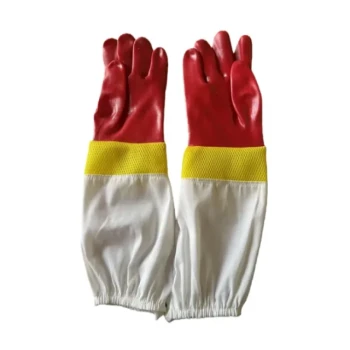
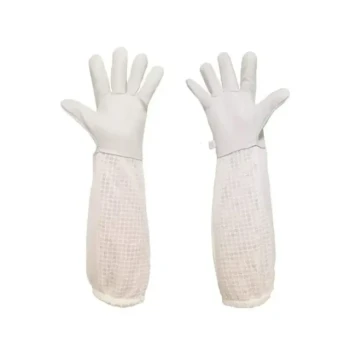
| Routine Maintenance | Gloves & Smock | Ease of movement, wrist protection | Standard |
Elevate Your Beekeeping Standards with HONESTBEE
At HONESTBEE, we specialize in empowering commercial apiaries and distributors with professional-grade solutions. Whether you are scaling your operations with our hive-making and honey-filling machinery or outfitting your team with durable, high-performance beekeeping suits and tools, we provide the comprehensive wholesale support you need.
Our value to your business:
- Full Spectrum Supply: From essential consumables to specialized hardware.
- Industry Expertise: Quality gear designed for durability and operator safety.
- Growth Focused: Tailored wholesale offerings for global distributors.
Ready to upgrade your apiary equipment or expand your retail portfolio?
Related Products
- Premium Cowboy Beekeeper Hat with Visibility Veil Outdoor Professional Beekeeping Protective Gear
- White Cotton Beekeeping Jacket and Veil for Bee Keepers
- Beekeeping Jacket with Hood and Veil for Beekeepers
- Premium Cotton Beekeeper Suit with Reinforced Fencing Veil
- Beekeeping Gloves Goatskin Leather with Long Cotton Sleeve for Beekeepers
People Also Ask
- What design features contribute to the stability and fit of the beekeeper hat? Key Features for Maximum Hive Safety
- How is the beekeeper hat designed for comfort and practicality? Explore Key Features for Enhanced Apiary Safety
- What is the general protective gear recommendation for new beekeepers? Your Essential Beginner's Safety Guide
- How does beekeeping protective gear facilitate the queen bee selection process? Enhancing Precision in Queen Breeding
- What should beekeepers consider when choosing protective gear? A Guide for Maximum Safety & Comfort