Chalkbrood outbreaks are usually triggered by a combination of fungal exposure, hive moisture, and colony stress. The pathogen Ascosphaera apis infects larvae after they ingest spores, producing hard, chalk-like mummies. In commercial apiaries, the most effective response is usually not a single treatment but coordinated ventilation, comb replacement, sanitation, parasite control, and strong colony management.
Core takeaway: Chalkbrood becomes difficult to control when damp, cool hive conditions combine with stressed or weakened colonies and contaminated equipment. Commercial beekeepers can reduce recurring outbreaks by managing the hive environment, replacing infected comb, disinfecting tools and equipment, and maintaining strong hygienic colonies.
What Triggers Chalkbrood Outbreaks?
Moisture and Poor Ventilation
Chalkbrood is favored by damp, cool, poorly ventilated hive conditions. Moisture accumulation can occur inside hive bodies, under covers, around brood areas, or in apiaries located in persistently wet sites.
Hive stands, screened bottom boards, ventilated covers, and correctly configured hive components help improve airflow. Elevated placement in a dry, sunny location can also reduce moisture pressure.
Colony Stress and Weak Population Strength
Chalkbrood is strongly associated with colony stress. Small colonies, queen problems, nutritional shortages, rapid weather changes, and overcrowded or poorly balanced hive populations may be less capable of removing infected larvae.
Strong colonies with active worker populations are better positioned to maintain brood temperature and hygienically remove diseased larvae before the fungus matures and releases additional spores.
Nosema and Varroa Pressure
Spring infections involving Nosema ceranae and summer infestations of Varroa mites are identified as important stress correlations in commercial operations. These conditions can weaken colonies and make them more vulnerable to Chalkbrood outbreaks.
The relationship is not necessarily direct causation in every colony. However, monitoring and controlling parasites and other diseases reduces the underlying stress that allows Chalkbrood to become established.
Contaminated Comb and Equipment
Chalkbrood spores can remain viable for long periods on wooden hive bodies, frames, wax comb, and tools. Moving contaminated frames between colonies is therefore a major commercial biosecurity risk.
Dirty hive tools, gloves, transport boxes, and inspection equipment can also transfer spores between colonies and apiary sites if they are not cleaned between uses.
Introduction of Contaminated Feed or Materials
Supplemental pollen and other materials can introduce fungal spores if their source and handling are not controlled. Commercial operations should assess the hygiene of feed inputs and avoid placing questionable materials into otherwise clean colonies.
How Management Tools Help Control Chalkbrood
Ventilated Hive Hardware
Equipment that manages airflow and moisture is the first line of environmental control. Useful hardware may include:
- Screened bottom boards
- Ventilated hive covers
- Moisture-reducing inner covers
- Elevated hive stands
- Weather-resistant hive bodies
- Properly fitted roofs and covers
These tools do not eliminate spores, but they help prevent the cool, damp conditions that support fungal development.
Clean Frame Replacement Systems
Old brood comb can retain spores and other contaminants. A planned frame replacement cycle—often targeting brood comb replacement over approximately two years, subject to local practice—reduces the accumulated disease burden.
Frames showing severe Chalkbrood infection should be removed from the colony and destroyed, rather than transferred to another hive. Replacement frames allow commercial beekeepers to maintain productivity while progressively removing contaminated comb.
Professional Cleaning and Disinfection Equipment
Sanitation programs require more than occasional wiping. Commercial apiaries benefit from dedicated:
- Hive tools and inspection equipment
- Cleaning stations
- Disinfectant containers
- Sprayers and application equipment
- Protective gloves and consumables
- Durable, easy-to-clean transport equipment
Empty hive bodies and reusable equipment should be cleaned and disinfected using products and concentrations approved for the relevant jurisdiction and material. Sodium hypochlorite solutions are used in some sanitation protocols, but product labels, worker-safety requirements, rinsing procedures, and equipment compatibility must be followed carefully.
Inspection and Removal Tools
Early detection limits the number of spores released into the hive. During inspections, beekeepers should look for:
- White or gray chalk-like larval mummies
- Mummies on the bottom board or at the hive entrance
- Irregular brood patterns
- Reduced brood survival
- Signs of queen, nutritional, or parasite stress
Inspection tools make it easier to identify affected frames and remove them before contamination spreads through routine hive manipulation.
Hygienic Bee Stock
Some colonies are more effective at detecting and removing diseased brood. Maintaining or selecting strong hygienic stock can complement environmental and sanitation controls.
Genetic selection is not a substitute for good equipment management. Hygienic colonies still require adequate nutrition, effective ventilation, clean comb, and appropriate parasite control.
Targeted Application Equipment
Where a treatment or approved hive product is permitted, calibrated sprayers and application consumables help deliver it consistently. They are particularly useful for applying approved sanitation products to equipment surfaces.
However, beekeepers should not assume that a product is legal or effective for in-hive use merely because it inhibits fungal growth in a laboratory or other setting. Chemical use must follow local registration, label, residue, and honey-production requirements.
Building a Commercial Chalkbrood Control Program
Separate Clean and Suspect Equipment
Commercial apiaries should avoid moving frames, boxes, tools, or protective equipment from affected colonies into clean colonies without appropriate cleaning and disinfection.
A practical workflow can include dedicated equipment for suspect colonies, clearly marked storage areas, and a defined cleaning sequence after inspections or migratory movements.
Use a Consistent Frame Policy
A frame replacement policy should specify:
- When brood frames are removed from service
- How severely infected frames are isolated
- Which frames may be cleaned and reused
- How replacement frames are sourced and stored
- How frame transfers between colonies are controlled
Consistency is more valuable than occasional emergency replacement. A reliable inventory of replacement frames also helps distributors and resellers support customers during outbreak response.
Inspect After High-Risk Conditions
Monitoring should increase after periods of cold, wet weather, spring population stress, disease pressure, or heavy Varroa infestation. Early inspections allow operators to correct ventilation and colony-strength problems before Chalkbrood becomes widespread.
Coordinate Disease and Parasite Management
Chalkbrood control should be integrated with queen management, nutrition, Varroa monitoring, and broader colony-health programs. Treating only the visible fungal symptoms may leave the stress factor that enabled the outbreak unresolved.
Understanding the Trade-offs
Ventilation Must Be Balanced
More airflow is not automatically better. Excessive exposure to drafts, rain, or cold can also stress colonies and interfere with brood temperature regulation.
The objective is controlled moisture management, not an open or poorly protected hive. Equipment selection must account for climate, season, hive design, and colony strength.
Sanitation Requires Time and Logistics
Disinfecting boxes, tools, frames, and transport equipment requires labor, water, storage space, and process discipline. For large operations, the sanitation workflow should be designed around inspection routes and equipment turnover to avoid becoming a production bottleneck.
Reliable suppliers can add value by combining disinfectants, sprayers, replacement frames, protective consumables, and hive hardware into a coordinated purchasing program.
Destroying Comb Has a Direct Cost
Removing infected comb reduces disease risk but also eliminates usable wax, frames, and brood capacity. Reusing heavily contaminated material may appear cheaper initially, but it can contribute to recurring outbreaks and greater colony losses.
The appropriate decision depends on infection severity, equipment condition, local sanitation guidance, and the cost of replacement inventory.
Chemical Claims Require Caution
No universal chemical solution should be assumed for Chalkbrood control. Product approvals and permitted uses vary by country, and some substances discussed in beekeeping literature may not be authorized for use inside honey bee colonies.
Commercial operators should prioritize environmental management and sanitation, using only properly authorized products and following their labels and regulatory requirements.
How to Apply This to Your Apiary or Supply Program
The strongest approach combines disease prevention with dependable access to the right equipment and consumables.
- If your primary focus is outbreak prevention: Prioritize ventilated hive hardware, elevated stands, strong hygienic colonies, and routine monitoring of moisture and brood condition.
- If your primary focus is reducing recurring contamination: Establish a frame replacement cycle, remove and destroy severely infected comb, and prevent unsterilized equipment from moving between colonies.
- If your primary focus is commercial operating efficiency: Source replacement frames, sanitation products, sprayers, protective gear, and inspection tools through a coordinated supply program with rapid fulfillment.
- If your primary focus is protecting colony productivity: Address Chalkbrood together with Varroa, Nosema-related stress, queen problems, nutrition, and colony population strength.
- If your primary focus is regulatory compliance: Verify every disinfectant or in-hive product against local authorization, label instructions, residue rules, and honey-production requirements.
With disciplined hygiene, moisture control, and timely equipment replacement, commercial beekeepers can make Chalkbrood a manageable biosecurity risk rather than a recurring source of colony loss.
Summary Table:
| Trigger Factor | Description | Management Tool/Strategy |
|---|---|---|
| Moisture and poor ventilation | Damp, cool, poorly ventilated hives favor fungal growth. | Ventilated hive hardware (screened bottom boards, ventilated covers, elevated stands). |
| Colony stress and weak population | Small or stressed colonies less effectively remove infected larvae. | Maintain strong colonies; manage nutrition and queen health. |
| Nosema and Varroa pressure | Parasites weaken colonies, increasing vulnerability. | Integrated pest management; monitor and control Varroa and Nosema. |
| Contaminated comb and equipment | Spores persist on equipment; moving contaminated material spreads disease. | Sanitation protocols; replace infected comb; disinfect tools and equipment. |
| Introduction of contaminated feed | Supplemental pollen may introduce spores. | Source hygienic feed; implement strict handling procedures. |
Are you a commercial beekeeper or supplier looking to prevent Chalkbrood outbreaks? HONESTBEE offers a comprehensive range of beekeeping tools, ventilated hive hardware, frame replacement systems, and sanitation equipment to help you protect your colonies. Our one-stop sourcing, rapid response, and fast delivery keep your apiary productive. Contact us today to discuss your needs and secure a reliable supply partnership.
Related Products
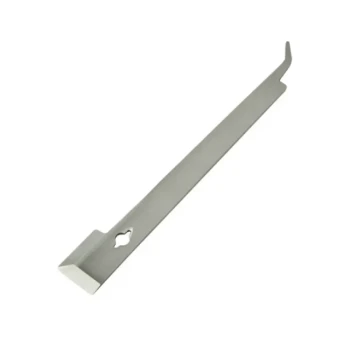
- Stainless Steel J Hook Hive Tool for Beekeeping
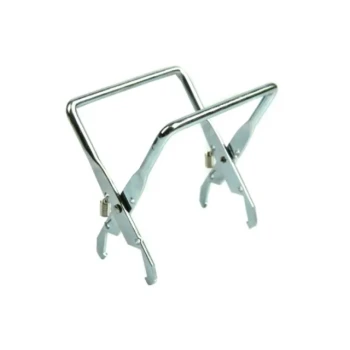
- Durable Galvanized Steel Frame Grip
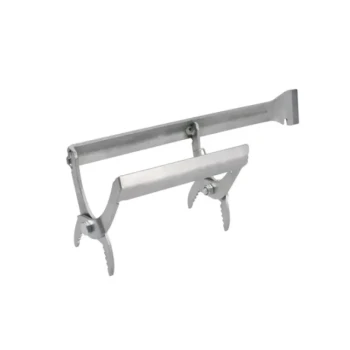
- Multi-Function Plier-Style Frame Grip Hive Tool
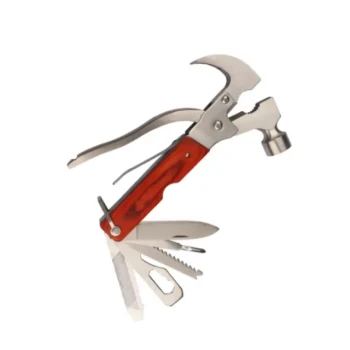
- HONESTBEE 15-in-1 Beekeeper Multi-Tool with Hammer and Pliers for Beekeeping
- Stainless Steel Queen Grafting Tool for Beekeeping and Bee Queen Grafting
People Also Ask
- What specific challenges do beekeeping hive tools address during hive maintenance? Essential Solutions for Apiaries
- What is a J-hook hive tool and why is it favored by some beekeepers? Master Gentle Frame Handling
- What are the features of a J-hook hive tool? Effortlessly Lift Frames with Superior Leverage
- What is the purpose of the J-hook hive tool? Effortlessly Lift Frames with Superior Leverage
- How is a J-hook hive tool designed and what is its primary use? Master Effortless Hive Inspections