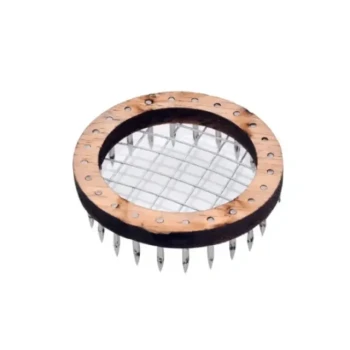
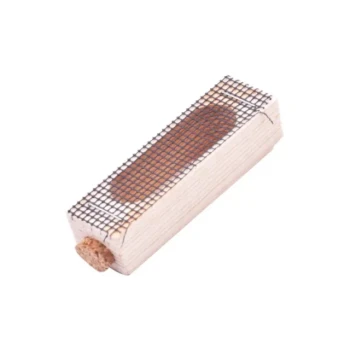
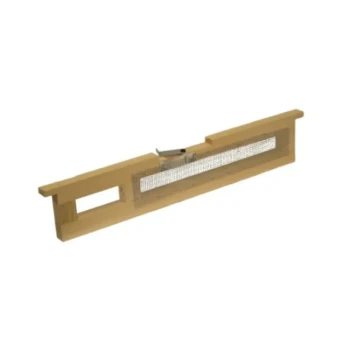
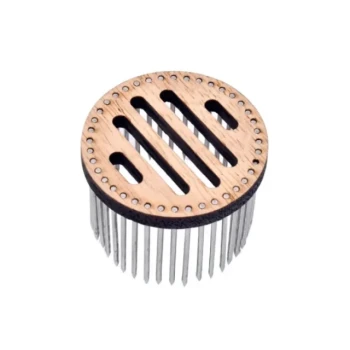
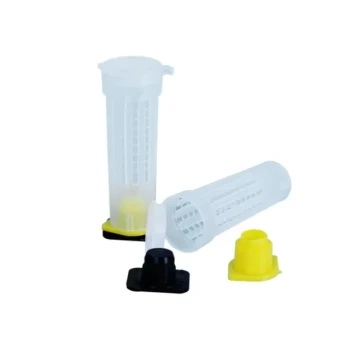
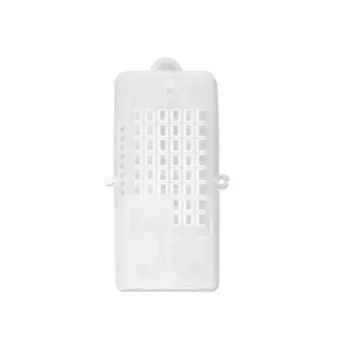
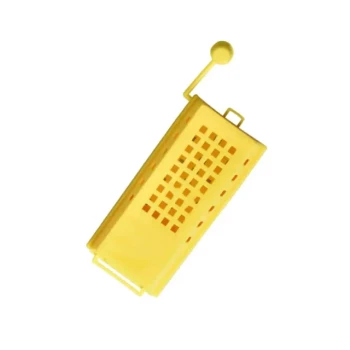
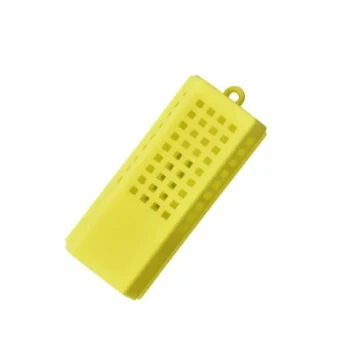
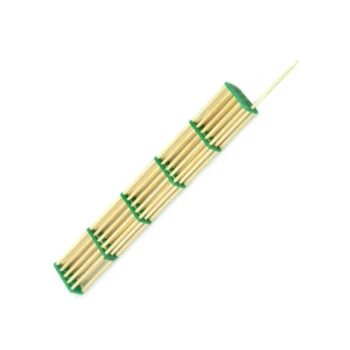
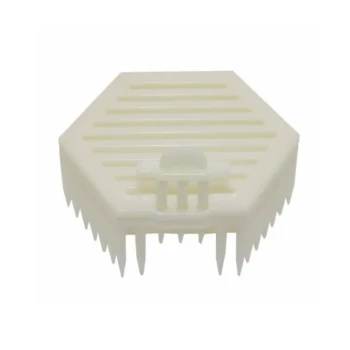
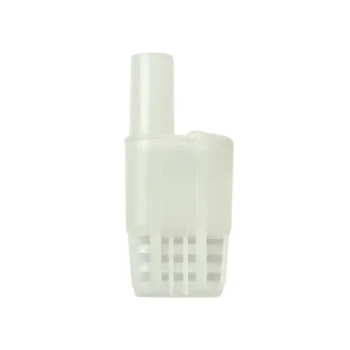
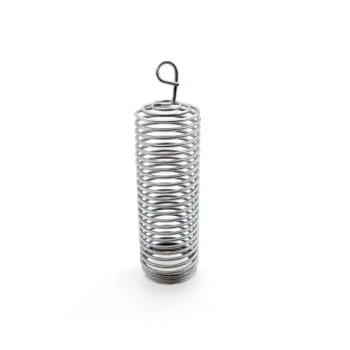
Specialized wood-and-mesh rearing cages create a controlled micro-environment designed to precisely quantify honeybee hoarding behavior. When paired with inverted conical feeders, these cages allow researchers to measure the exact weight of syrup transported by worker bees over a specific period, providing critical data on colony activity, appetite, and feed attractiveness.
Core Takeaway By stabilizing the physical environment and ensuring proper ventilation, these cages transform chaotic natural behavior into measurable data points. They enable the isolation of hoarding instincts from external variables, allowing for the precise evaluation of feed formulations and colony vigor.
The Mechanics of the Controlled Environment
Establishing a Stable Platform
The wooden frame of the cage serves a functional purpose beyond structure. It provides a natural, stable surface for bees to attach themselves and move freely.
This stability is crucial for reducing stress on the bees. When the insects can navigate their enclosure securely, their behavior reflects natural instincts rather than distress.
Ensuring Optimal Ventilation
The mesh component of the cage is critical for maintaining a viable micro-environment. It ensures excellent airflow throughout the observation period.
Proper ventilation prevents humidity buildup and respiratory issues within the small enclosure. This allows the study to continue long enough to gather significant hoarding data without compromising the health of the test subjects.
Quantifying Hoarding Behavior
Measuring Syrup Transport
The primary function of these cages in a hoarding study is to facilitate the use of inverted conical feeders. This setup allows for the direct weighing of the food source.
Researchers calculate the difference in syrup weight before and after a specific time interval. This metric directly correlates to the hoarding drive of the enclosed worker bees.
Eliminating Environmental Interference
By moving the bees into these specialized cages, researchers remove variables found in nature. There are no fluctuating nectar sources or weather changes to skew the data.
This isolation ensures that the "hoarding" measured is a result of the bee's appetite and the feed's attractiveness, not a reaction to external resource scarcity.
Industrial and Research Applications
Evaluating Feed Formulations
These cages are the standard method for testing how "attractive" a new syrup or supplement is to a colony.
If bees in the wood-and-mesh cage hoard a specific formulation rapidly, it indicates high palatability. Slower uptake suggests the formulation may need adjustment.
Assessing Colony Vigor
Hoarding speed is a strong indicator of overall colony activity and health.
By standardizing the test in these cages, researchers can compare the appetite and energy levels of different colonies or breeds under identical conditions.
Understanding the Trade-offs
Artificial vs. Natural Context
While these cages provide high precision, they represent an artificial setting. The data reflects hoarding behavior in isolation, not the full complexity of long-distance foraging flights.
The Scope of Measurement
This method strictly measures the intake and transport of food. It does not account for how the bees communicate the food source location, which is a separate behavioral metric.
Making the Right Choice for Your Goal
When designing your study or testing protocol, consider exactly which behavioral metric you need to isolate.
- If your primary focus is testing feed palatability: Use these cages to eliminate external variables and measure the exact volume of syrup consumed.
- If your primary focus is comparing colony energy levels: Use the hoarding rate within these cages as a standardized proxy for general colony activity and appetite.
These specialized cages provide the rigor required to turn observation into actionable industrial data.
Summary Table:
| Feature | Function in Hoarding Assessment | Research Benefit |
|---|---|---|
| Wooden Frame | Provides a natural, stable surface for attachment | Reduces bee stress for natural behavior |
| Mesh Screen | Ensures optimal ventilation and airflow | Prevents humidity buildup and health issues |
| Conical Feeders | Facilitates direct weighing of syrup transport | Enables precise quantification of hoarding |
| Controlled Setting | Eliminates external weather/nectar variables | Isolates appetite and feed attractiveness factors |
Scale Your Apiary Operations with HONESTBEE Precision Equipment
Are you looking to enhance your research accuracy or optimize commercial feed efficiency? HONESTBEE is a leading global supplier dedicated to supporting commercial apiaries and distributors with high-quality, professional-grade solutions. From specialized rearing cages and precision honey-filling machines to industrial-scale hive-making equipment and essential consumables, we provide everything needed to drive colony vigor and industrial success.
Why partner with HONESTBEE?
- Comprehensive Wholesale Catalog: A full spectrum of beekeeping tools, machinery, and honey-themed cultural merchandise.
- Tailored for Professionals: Our products are designed to withstand the rigors of commercial use while ensuring biological accuracy.
- Industry Expertise: We understand the technical requirements of modern beekeeping and supply chain management.
Elevate your production and research capabilities today. Contact us now to explore our wholesale offerings and see how we can add value to your beekeeping enterprise.
References
- A. Elbassiouny. EFFECT OF VITAMIN ADDITIVE AND COLONY MAN-AGEMENT ON HONEY BEE PERFORMANCE. DOI: 10.21608/ajs.2006.15578
This article is also based on technical information from HonestBee Knowledge Base .
Related Products
- Wood and Mesh Push-In Queen Cage
- Classic Wooden and Mesh California Queen Cage
- HONESTBEE Wired and Assembled Wooden Bee Frames Foundation for a Thriving Hive
- Professional Wooden Requeening Frame for Beekeeping
- Premium Wood and Steel Push In Queen Cage
People Also Ask
- When is a queen introduced with a push-in cage ready for full release? Key Signs for Maximum Colony Acceptance
- How are queen cages used to protect newly hatched queens? Secure Your Virgin Queens During Development
- Why are queen cages or grid cages used in bee studies? Achieve Precise Biological Data for Research
- What advantages do push-in queen cages offer? Boost Acceptance Rates for Artificially Inseminated Queens
- What is a push-in queen cage and how does it differ from a standard queen cage? Boosting Your Queen Acceptance Rates