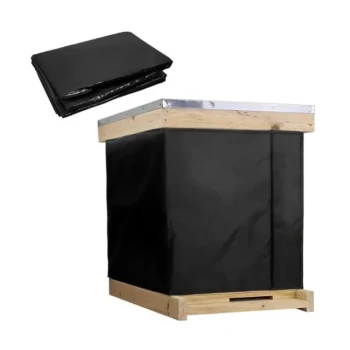
Constant-temperature heating devices and insulated mating hives function in unison to establish and maintain a strictly controlled microclimate for developing queen bees. This hardware configuration shields the internal rearing environment from external weather volatility, ensuring that queen embryos and virgin queens remain at the precise temperatures required for optimal maturation.
Core Takeaway The primary role of this equipment is environmental stabilization. By mitigating temperature fluctuations during critical developmental phases, breeders can significantly increase rearing success rates and ensure the superior genetic quality of the resulting queens.
The Mechanism of Environmental Control
Creating a Stable Microclimate
In professional queen rearing, the environment is just as critical as the genetics. High-precision heating devices provide a consistent thermal baseline.
Simultaneously, insulated mating hives act as a thermal barrier. Together, they create a stable microclimate that is largely independent of outside weather conditions.
Shielding from Fluctuations
External temperature swings can be detrimental to bee development. This hardware configuration functions as a shield against these variables.
By decoupling the internal hive environment from the external elements, the system prevents the thermal stress that often leads to developmental failure.
Impact on Biological Development
Protecting Sensitive Stages
Queen bees go through highly vulnerable phases, specifically as embryos and virgin queens.
During these specific windows, even minor deviations from the ideal temperature can be damaging. The hardware ensures these stages proceed without interruption or physiological stress.
Enhancing Genetic Quality
The ultimate function of thermal control extends beyond mere survival. It directly influences the genetic quality of the queen.
A stable environment allows the queen's genetic potential to be fully expressed, resulting in a healthier, more productive reproductive insect.
Understanding the Necessity of Precision
The Risk of Ambient Reliance
Relying solely on ambient temperatures or standard hives introduces a high degree of variability.
Without high-precision heating and insulation, the colony is forced to expend significant energy regulating temperature, which can detract from the resources available for the developing queen.
The Value of the Combination
It is important to note that neither device functions optimally in isolation.
A heater without insulation loses energy rapidly, while insulation without a heat source cannot actively correct a drop in temperature. The combination is what guarantees the stable microclimate.
Making the Right Choice for Your Goal
To maximize the effectiveness of your queen rearing program, consider your specific objectives when selecting equipment.
- If your primary focus is Volume and Yield: Prioritize this hardware combination to stabilize the "success rate," minimizing losses due to cold snaps or heat waves.
- If your primary focus is Genetic Consistency: Use these devices to eliminate environmental stress variables, ensuring that the queen's performance is a result of genetics, not developmental trauma.
By standardizing the rearing climate, you transform queen production from a variable biological process into a predictable, professional operation.
Summary Table:
| Feature | Function | Benefit to Queen Rearing |
|---|---|---|
| Heating Devices | Active Thermal Control | Prevents developmental failure from cold snaps. |
| Insulated Hives | Thermal Barrier | Decouples internal environment from external volatility. |
| Microclimate Stability | Environmental Standardization | Ensures full expression of superior genetic traits. |
| Precision Hardware | Resource Conservation | Allows the colony to focus energy on queen maturation. |
Elevate Your Queen Rearing Success with HONESTBEE
Maximize the genetic potential of your apiary with professional-grade thermal solutions. At HONESTBEE, we specialize in supporting commercial apiaries and distributors with a comprehensive wholesale portfolio designed for precision beekeeping.
Whether you need high-precision heating systems, insulated mating hives, or large-scale machinery like honey-filling and hive-making equipment, we provide the tools necessary to transform variable biological processes into predictable, high-yield operations. From specialized hardware to essential industry consumables and honey-themed cultural merchandise, HONESTBEE is your dedicated partner in beekeeping excellence.
Ready to optimize your production and ensure consistent quality?
Contact HONESTBEE Today for Wholesale Solutions
References
- Alíz Feketéné Ferenczi, Andrea Bauerné Gáthy. “What’s Good for the Bees Will Be Good for Us!”—A Qualitative Study of the Factors Influencing Beekeeping Activity. DOI: 10.3390/agriculture14060890
This article is also based on technical information from HonestBee Knowledge Base .
Related Products
- Professional Insulated Winter Hive Wrap for Beekeeping
- Professional Insulated Plastic Bee Hives
- Inner Beehive Cover for Beekeeping Bee Hive Inner Cover
- Portable Bee Mating Hive Boxes Mini Mating Nucs 8 Frames for Queen Rearing
- Automatic Heat Preservation 6 Frame Pro Nuc Box for Honey Bee Queen Mating
People Also Ask
- What are the steps to properly wrap a beehive for winter? Ensure Your Colony Survives the Cold
- When is the best time to wrap a beehive for winter? A Guide to Perfect Winterization Timing
- How do professional insulation wraps provide protection for bee colonies? Optimize Winter Survival & Energy Efficiency
- What are the technical benefits of using winter wraps for beehive insulation? Boost Colony Survival & Hive Health
- What are the benefits of using insulated covers for hives? Ensure Colony Survival and Health