Industrial-grade beehive transportation and mechanical handling equipment serve as the logistical backbone of commercial pollination, enabling the rapid, stable transfer of thousands of honeybee colonies across vast distances. Beyond simple movement, these systems function to minimize biological stress through vibration reduction and ensure that commercial operations can meet the strict, time-sensitive flowering windows required by large-scale agricultural contracts.
The core value of this equipment lies in its ability to industrialize a biological process. It transforms beekeeping from a stationary practice into a mobile logistics service, balancing the delicate health requirements of the hive with the massive scale and speed demanded by modern monoculture.
The Logistics of Mass Deployment
Meeting Strict Agricultural Timelines
Large-scale agriculture, particularly for crops like almonds and blueberries, operates on tight biological schedules.
Industrial transport equipment allows apiarists to move massive numbers of hives precisely when crops enter their critical flowering periods. This speed ensures that pollination intervention occurs exactly when crop receptivity is highest, directly impacting fruit set and yield.
Enhancing Operational Efficiency
Traditional manual transport is logistically impossible at the scale of thousands of colonies.
Specialized mechanical handling hardware, such as loading mechanisms and forklifts, replaces manual labor. This allows for the rapid loading and unloading of high-density hive configurations, enabling a single operation to fulfill cross-regional contracts that require moving colonies hundreds of miles in a single night.
Protecting the Biological Asset
Minimizing Transit Stress
The primary risk in moving bees is physical stress, which can weaken the colony and reduce pollination efficiency upon arrival.
Heavy-duty trailers and specialized suspension systems are designed to ensure hive stability and significantly reduce mechanical vibrations. By dampening the shock of the road, this equipment preserves the colony's energy and structure, allowing bees to begin foraging immediately upon deployment.
Environmental Control
Long-distance transport exposes bees to the risk of overheating or suffocation.
Modern mobile apiary platforms often incorporate ventilation and temperature control features. These systems maintain a survivable microclimate within the stack during transport, preventing colony loss and ensuring the bees arrive in a condition suitable for immediate work.
Standardization and Verification
The Role of Automated Standardization
Efficient mechanical handling requires uniform equipment.
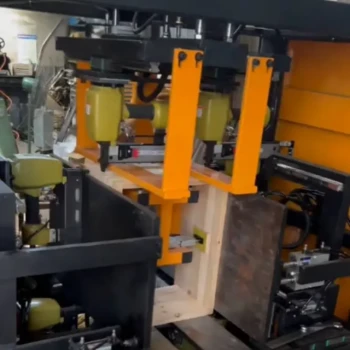
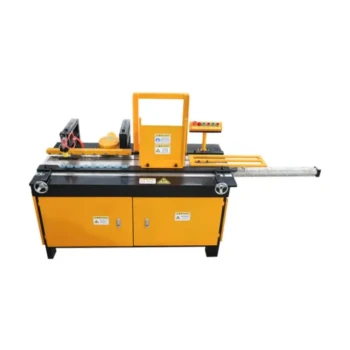
Industrial-grade hive-making machines ensure the precise standardization of beehive components. This uniformity is critical; it allows hives to be stacked securely for transport and manipulated by automated loading machinery without the risk of collapse or incompatibility.
Monitoring Pollination Efficacy
Equipment in this sector extends beyond movement to performance tracking.
High-precision beehive scales are often integrated to monitor dynamic weight changes. By detecting weight reduction when foragers leave in the morning, operators can estimate the size of the active foraging population, providing data-backed evidence that the colony is fulfilling its pollination contract.
Understanding the Trade-offs
Capital Intensity vs. Operational Scale
While this equipment maximizes revenue through pollination fees, it represents a significant capital expenditure.
Investing in heavy-duty trucks, forklifts, and standardized hive manufacturing machinery requires a shift in business model. The return on investment relies heavily on securing consistent, high-volume contracts that justify the overhead, rather than relying solely on honey production.
Biological Risks of Density
Industrial transport concentrates thousands of hives in small areas.
While efficient, this density facilitates the rapid spread of pests and diseases between colonies. Furthermore, even with vibration dampening, migratory beekeeping places a baseline stress on bees that requires careful management and recovery periods between pollination events.
Making the Right Choice for Your Goals
To optimize your large-scale pollination strategy, align your equipment choices with your specific operational focus:
- If your primary focus is maximizing crop yield: Prioritize speed and logistics hardware (specialized trucks and loaders) to ensure hives are deployed exactly during peak bloom windows.
- If your primary focus is colony longevity: Prioritize stabilization and climate control equipment (air-ride trailers and ventilated platforms) to minimize stress and vibration during long hauls.
- If your primary focus is operational scalability: Prioritize standardization machinery (automated hive manufacturing) to ensure all units are compatible with mechanical loaders and stacking systems.
By integrating these industrial systems, you convert the biological potential of the honeybee into a reliable, scalable agricultural service.
Summary Table:
| Functional Category | Key Equipment | Primary Benefit |
|---|---|---|
| Logistics & Speed | Loading mechanisms & forklifts | Rapid deployment during peak bloom windows |
| Biological Protection | Specialized trailers & suspension | Reduces vibration stress and colony fatigue |
| Environmental Control | Ventilated mobile platforms | Prevents overheating and maintains hive health |
| Standardization | Hive-making machinery | Ensures equipment compatibility for stacking |
| Performance Tracking | Precision beehive scales | Monitors foraging activity and contract efficacy |
Scale Your Commercial Apiary with HONESTBEE
Maximize your operational efficiency and colony health with professional-grade beekeeping infrastructure. HONESTBEE specializes in supporting commercial apiaries and distributors by providing a comprehensive wholesale range of:
- Specialized Machinery: Automated hive-making and honey-filling machines for industry standardization.
- Transportation Solutions: Durable hardware designed for the rigors of migratory beekeeping.
- Essential Consumables: A full spectrum of tools and supplies to keep your colonies productive.
Whether you are expanding your pollination service or looking to streamline your wholesale distribution, our team delivers the high-performance tools you need to succeed in modern agriculture.
Ready to industrialize your operations? Contact HONESTBEE Today
References
- Dennis vanEngelsdorp, Jeffery S. Pettis. A Survey of Honey Bee Colony Losses in the U.S., Fall 2007 to Spring 2008. DOI: 10.1371/journal.pone.0004071
This article is also based on technical information from HonestBee Knowledge Base .
Related Products
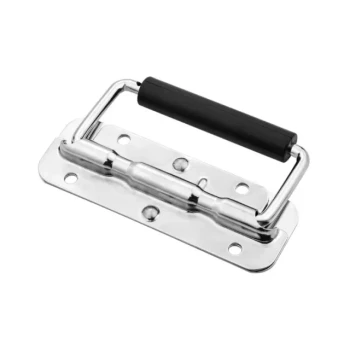
- Professional Grade Foldable Beehive Handles
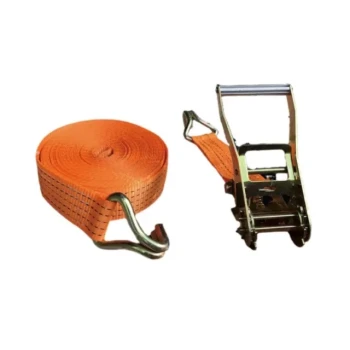
- Heavy Duty Ratchet Hive Strap
- Plastic Transporting Bee Packages and Nuc Boxes for Beekeeping
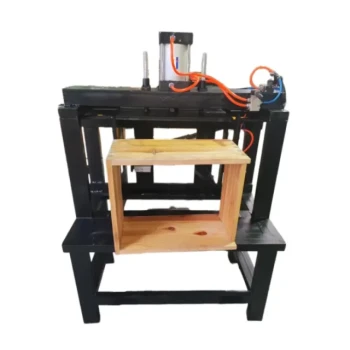
- Automatic High-Speed Bee Hive Box Stapling Machine
- Premium Comfort Grip Spring-Loaded Hive Handles
People Also Ask
- How do bee hive handles facilitate the evaluation of food stores? Use the Lift Test for Winter Survival
- How do the geometry and dimensions of hive handles influence operational safety and control? Expert Design Insights
- What is a bee hive tool? Discover Why It’s the Most Essential Hand Tool for Every Beekeeper
- What are the common sizes and features of bee hive tools? Choose the Right Tools for Your Apiary
- What is the role of professional hive tools in routine apiary maintenance? Expert Tips for Hive Health and Longevity