To accelerate early-season colony build-up, temporarily use a “combs less than bees” configuration: remove surplus frames so the remaining combs are densely covered by bees, then support the colony with insulation and carefully managed 1:1 sugar syrup and pollen supplementation. This concentrates the cluster, helps bees maintain brood-rearing temperatures, and can stimulate earlier queen laying before natural forage becomes reliable.
The objective is not simply to reduce frame count, but to match available comb to the colony’s current bee population. Compress colonies during cold, early buildup, feed strategically, and add space before congestion causes backfilling or swarming.
How the Frame Adjustment Accelerates Buildup
Create a densely occupied brood nest
When there are fewer combs than the colony can fully cover, bees form a tighter cluster across the remaining frames. This concentrated population is better able to maintain the elevated temperature required for brood development during cold weather.
Remove unused or poorly covered frames rather than leaving excess space around the cluster. The exact number of frames should reflect colony strength, weather, and the amount of brood being maintained.
Match the hive volume to colony strength
The adjustment should be treated as a dynamic management technique, not a permanent hive configuration. As the adult population and brood area expand, return frames or add equipment so the colony does not become restricted.
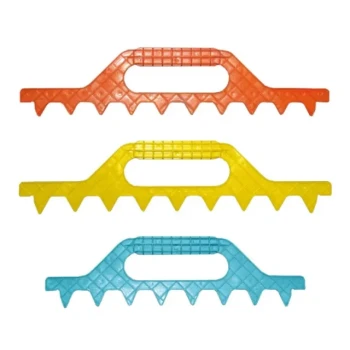
Standardized, interchangeable frames make this process faster across commercial operations. They also allow managers to redistribute food, brood, and young bees between colonies without rebuilding the hive system.
Maintain suitable thermal conditions
Frame compression works best when combined with appropriate hive insulation and protection from strong drafts. Reducing heat loss lowers the energy demand on worker bees and supports more stable brood temperatures.
In exposed locations, sheltered hive placement can further reduce thermal stress while flight activity is limited. Colonies should still be managed according to local weather and ventilation requirements.
How Feeding Supports Early Brood Rearing
Use light syrup for stimulation
For spring stimulative feeding, a 1:1 sugar-to-water syrup is generally used to imitate an incoming nectar flow. It encourages worker activity, supports queen egg-laying, and helps activate wax production as the brood nest expands.
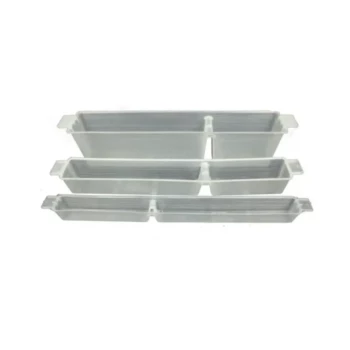
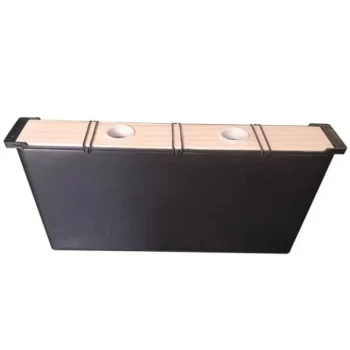
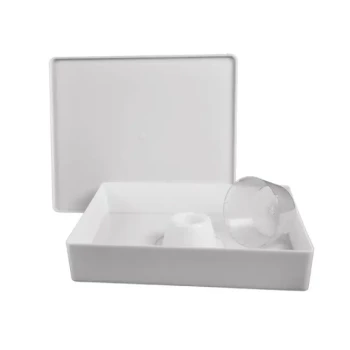
Top feeders are particularly practical in commercial apiaries because they allow larger-volume feeding with less hive disruption than entrance or division-board feeders.
Provide protein when pollen is scarce
Pollen or a suitable pollen substitute should be supplied until workers consistently bring in natural pollen. Protein availability is important for nurse-bee development and the colony’s ability to rear brood.
Feed should supplement—not replace—the assessment of natural forage, stored pollen, brood condition, and adult bee strength.
Separate survival feeding from stimulation
Dense carbohydrate feed or solid fondant is more appropriate for late-winter survival because it reduces the water-processing burden on wintering bees. Once conditions support active spring buildup, lighter syrup is better suited to stimulation.
This distinction prevents a common management error: using one feeding formula for every seasonal purpose.
Control additives and treatment timing
Any medication or supplement must be used only where legally approved and according to its product label and veterinary or regulatory guidance. Treatments should not be added routinely without a diagnosed or recognized management need.
Where medications are used, commercial operators must maintain clear batch records and observe the required withdrawal period. Feeding and medication should be stopped sufficiently before honey supers are installed to prevent adulteration or contamination risk; the applicable product label and local regulations take precedence.
How Equalization Makes Commercial Apiaries More Uniform
Move resources from surplus colonies
Strong colonies may have excess food, emerging brood, or young worker bees that can reinforce weaker colonies. Carefully transferring these resources helps bring the apiary toward a more uniform operating strength.
This is especially valuable when pollination contracts or spring production require many colonies to reach target strength at approximately the same time.
Exchange food frames strategically
Food-deficient colonies can receive honey-filled frames from colonies with surplus stores, while empty combs can be supplied in return where appropriate. Transfers should be based on inspection rather than performed automatically.
Managers must verify colony health before moving frames. Moving resources from a diseased or suspect colony can spread problems throughout the apiary.
Transfer brood and young bees carefully
Frames of emerging brood or suitable young worker bees can support weaker colonies. These additions should be made with attention to queen status, temperature, colony temperament, and disease risk.
Standardized frames reduce handling time and make resource balancing more predictable across large apiary networks.
When to Expand the Brood Nest Again
Watch for brood-nest restriction
A colony that has outgrown its compressed configuration may begin storing nectar or honey in brood-rearing space. This backfilling reduces the queen’s available laying area and can contribute to swarming pressure.
Inspect regularly for increasing bee coverage, expanding brood, fresh nectar, and reduced empty laying space. These indicators determine when to restore frames or add additional hive volume.
Add supers before congestion becomes severe
Additional honey supers provide storage capacity and reduce pressure on the brood nest once the colony is strong enough to occupy the added space. Timing is important: adding too much space too early can weaken the cluster’s ability to regulate temperature, while adding it too late can restrict the queen.
The correct sequence is usually to compress during the cold buildup phase, then expand progressively as population and forage increase.
Open blocked brood space
If honey-filled frames are occupying the brood chamber, they may need to be removed and replaced with suitable empty comb, subject to local management practice and colony strength. This restores laying space and encourages orderly brood-nest expansion.
Top entrances can also help foraging bees bypass the brood area, reducing internal traffic once the colony is actively collecting nectar.
Understanding the Trade-offs
Over-compression can restrict growth
The “combs less than bees” method is effective only when the remaining frames are well covered and the colony is monitored. Excessive compression can crowd the colony, limit laying space, and accelerate backfilling or swarming once forage improves.
Frame removal should therefore be reversible and based on inspection data, not applied identically to every colony.
Feeding can mask underlying problems
Syrup may stimulate activity, but it cannot correct queen failure, disease, inadequate adult bee population, or poor thermal conditions. A colony that does not respond should be evaluated rather than continuously fed.
Commercial managers should track queen status, brood pattern, food reserves, bee coverage, and disease indicators alongside feed consumption.
Feeding creates contamination and labor risks
Feeding requires consistent equipment hygiene, accurate syrup preparation, inventory control, and clear separation between feed and marketable honey. Poorly managed feeding can increase labor costs or create residue and adulteration risks.
A standardized top-feeder program, documented schedules, and dependable access to frames, syrup inputs, and replacement equipment improve operational reliability.
Frame movement can spread disease
Equalization is powerful but carries biosecurity risk. Do not move brood, bees, or food between colonies without considering disease status and the apiary’s inspection protocols.
A uniform frame system improves efficiency, but it does not replace quarantine, sanitation, or careful colony assessment.
Making the Right Choice for Your Goal
Use a staged program that combines frame adjustment, thermal management, feeding, inspection, and timely expansion.
- If your primary focus is maximum early-season colony strength: Compress each colony to the number of frames it can densely cover, use suitable insulation, and provide 1:1 syrup and pollen support while natural forage is limited.
- If your primary focus is uniform pollination-contract readiness: Equalize colonies with carefully screened food, emerging brood, and young bees, using standardized interchangeable frames to reduce handling time.
- If your primary focus is efficient commercial operations: Standardize hive bodies, frames, top feeders, syrup procedures, and inspection records so supplies and labor can be deployed rapidly across the apiary.
- If your primary focus is preventing swarming after buildup: Monitor for backfilling and congestion, then restore frames, open laying space, add supers, or provide additional entrances before the brood nest becomes restricted.
- If your primary focus is honey quality and compliance: Control all additives and medications through approved products, label directions, documented withdrawal periods, and a clear stop-feeding schedule before supering.
A successful early-season buildup comes from keeping the colony compact while it is cold, well supplied while forage is scarce, and promptly expanded as its population and food flow increase.
Summary Table:
| Strategy | Key Actions | Benefits |
|---|---|---|
| Frame Compression | Temporarily reduce frame count to concentrate bees | Maintains brood temperature, stimulates queen laying |
| Stimulative Feeding | Provide 1:1 syrup and pollen substitute | Encourages brood rearing and worker activity |
| Equalization | Transfer resources from strong to weak colonies | Uniform colony strength for pollination contracts |
| Timely Expansion | Add frames/supers as population grows | Prevents backfilling and swarming |
| Thermal Management | Use insulation and shelter | Reduces energy demand, stabilizes brood nest temperature |
Looking to optimize your commercial beekeeping operations for faster spring buildup and higher yields? At HONESTBEE, we provide the full spectrum of beekeeping tools, machinery, and equipment, including hive-making machines, honey-filling lines, and high-quality frames and feeders. Our one-stop sourcing, rapid response, and dedicated support help you implement effective strategies like frame compression and feeding programs efficiently. Partner with us for reliable supply, competitive profit margins, and expert guidance. Contact us today to discuss your needs!
Related Products
- In-Hive Dual Compartment Frame Bee Feeder for Targeted Colony Nutrition
- Professional In-Hive Frame Bee Feeder by HONESTBEE
- 3.5L Plastic Beehive Frame Feeder Deep Frame Water Feeder for In Hive Use
- Ergonomic Plastic Frame Spacer Tool for Rapid Hive Management Beekeeping
- HONESTBEE Professional Hive Top Bee Feeder Feeding Solution
People Also Ask
- What are the advantages of using a frame feeder for bee colonies? Boost Growth and Prevent Robbing Efficiently
- Why should sugar syrup or dry sugar not be left out in the open when feeding bees? Avoid a Dangerous Feeding Frenzy
- What precautions should be taken when feeding bees inside the hive? Safeguard Your Colony from Robbing and Leaks
- How do in-hive feeders support honey bee colonies during autumn? Ensure Overwintering Success for Your Apiary
- What are the advantages of in-hive feeders vs external methods? Boost Colony Health with Precise Spring Feeding