The most effective protection against wax moth damage is a combination of correctly sized hive hardware, strong colonies, and disciplined sanitation. Entrance reducers or screened guards limit adult moth access, while tight-fitting hive components, elevated stands, clean bottom boards, and suitable ventilation reduce opportunities for infestation. Regular removal of debris, degraded comb, and weak colony conditions addresses the material and biological factors that allow wax moth larvae to spread.
Wax moth control begins with keeping colonies strong enough to defend their comb and limiting unused space to what the bee population can patrol. Clean hardware, restricted entrances, regular inspections, and controlled storage protect both active colonies and valuable drawn-comb inventory.
How Wax Moths Damage Hive Assets
Larvae destroy the comb framework
Wax moth larvae tunnel through wax comb, consuming or contaminating stored honey, pollen, brood cells, and cast larval skins. Their feeding creates webbing, sticky debris, and tunnels that compromise the structural usefulness of frames.
Weak colonies are most vulnerable
Strong colonies can patrol comb and remove developing moth larvae. Weak, stressed, or poorly provisioned colonies may lose control of unused comb, increasing the risk of severe damage and eventual absconding.
Stored equipment has no natural defense
Supers, frames, and other comb-containing equipment are especially exposed when they are stored without bees. Stored boxes require separate monitoring and environmental control because no colony is present to remove eggs or larvae.
Hardware Configurations That Reduce Risk
Restrict the entrance to colony capacity
Use hive entrance reducers to reduce the number of pest access points and make the entrance easier for the colony to defend. The opening should match the strength of the colony rather than remain unnecessarily large during weak periods or dearth seasons.
Add screened entrance guards where appropriate
Entrance screens allow worker bees to pass while physically limiting adult wax moth access. These guards can provide an additional barrier for vulnerable colonies and help protect valuable drawn comb equipment.
Use tight-fitting, standardized hive components
Precision-built hive bodies, frames, lids, and bottom boards with tight-fitting joints reduce gaps where pests can enter or establish. Standardized equipment also makes inspections, frame transfers, hive reductions, and replacement of affected components more efficient across a commercial apiary.
Install removable or trap-equipped bottom boards
Bottom boards should be easy to remove and clean. Where suitable, bottom-board traps can support pest monitoring and help capture or identify pests before an infestation spreads through the hive.
Elevate hives above ground level
Place hives on stable, elevated stands rather than directly on the ground. This improves access for inspections, reduces exposure to ground pests, supports ventilation, and keeps hive components away from soil and accumulated organic material.
Maintain a slight entranceward slope
A small slope toward the entrance helps bees clear fallen debris and moisture from the hive. The setup must remain stable and level enough for safe operation while allowing waste material to move away from the colony.
Sanitation Protocols for Active Colonies
Clean bottom boards routinely
Remove fallen wax fragments, pollen, dead bees, webbing, and other organic debris from bottom boards. These materials can provide food and shelter for developing larvae.
During periods of high moth activity, commercial operators may increase cleaning to every two weeks, while routine inspection schedules should be adapted to local pest pressure and colony conditions.
Scrape frames and hive bodies
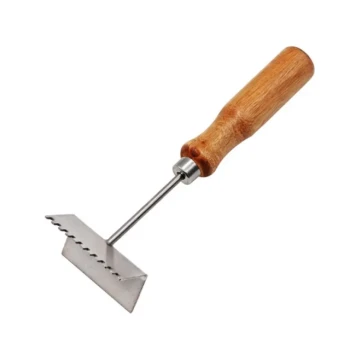
Regularly remove excess propolis, burr comb, wax scraps, and other accumulations from wooden frames and hive bodies. Keeping surfaces clean reduces concealed locations where eggs and larvae can remain undetected.
Remove degraded comb during renovation
Older, darkened brood comb is more attractive to wax moth larvae because it contains pollen, cocoons, cast skins, and other organic residues. Remove degraded comb through a planned comb-renovation program rather than allowing it to accumulate indefinitely.
Render unusable wax promptly
Process removed comb using wax-rendering equipment and store the resulting refined beeswax blocks appropriately. Clean rendered wax does not provide the same combination of comb structure and organic residue that supports the wax moth life cycle.
Inspect for early warning signs
Look for silken webbing, tunnels, larval excrement, sticky debris, and pupal cocoons during routine inspections. Early detection allows affected frames or boxes to be isolated and cleaned before damage moves through the apiary.
Colony Management That Supports Hardware Protection
Match hive volume to colony strength
Do not give a weak colony more boxes or frames than it can patrol. Reducing excess space and consolidating frames helps the bees protect the available comb.
Maintain adequate food stores
Adequate honey and pollen stores support colony strength during dearth periods. Nutritional stress can weaken the colony's ability to patrol comb and remove wax moth larvae.
Combine or reinforce weak colonies
Where appropriate, combine weak hives during dearth periods instead of leaving undersized colonies to defend excessive equipment. Any colony-management decision should follow the operator's established disease-control and queen-management procedures.
Preserve ventilation and stability
Proper ventilation, clean components, and stable elevated stands help maintain a healthier hive environment. These measures support general colony resilience while reducing conditions that allow pests to establish.
Inspect on a consistent schedule
Inspect colonies once or twice per week when conditions require close monitoring, especially during peak moth activity. Avoid unnecessary daily disruption, which can stress colonies without providing proportional management value.
Protecting Stored Frames and Supers
Separate active and unprotected equipment
Stored comb should be treated as a separate risk category because it is not defended by bees. Keep storage areas organized so boxes can be inspected, rotated, and isolated quickly if signs of infestation appear.
Monitor boxes throughout storage
Check stored supers and frames for webbing, cocoons, tunnels, and frass. Monitoring should continue throughout the off-season rather than ending when equipment is placed in storage.
Prioritize clean comb and foundations
Clean, refined beeswax foundations and well-maintained comb are less vulnerable than dark, pollen-rich brood comb and raw hive debris. Removing contaminated or heavily degraded material reduces the food sources available to larvae.
Isolate affected frames promptly
Once active infestation is detected, separate affected equipment from clean inventory and inspect adjacent boxes. Standardized, easily handled equipment makes this response faster and reduces the risk of distributing damaged frames across multiple colonies.
Understanding the Trade-offs
Entrance restriction must match colony strength
A reducer or guard that is too restrictive can interfere with colony traffic and management. The configuration should be adjusted as colony population, season, and pest pressure change.
More hardware does not replace sanitation
Entrance screens, pest-resistant stands, and trap-equipped bottom boards reduce exposure but cannot compensate for dirty bottom boards, excess burr comb, or abandoned frames. Physical barriers work best as part of a complete maintenance program.
Hive reduction can limit production capacity
Reducing boxes and frames protects weak colonies, but it can also reduce available storage space for growing or highly productive colonies. Operators must reassess equipment as colony strength changes.
Cleaning requires operational consistency
Routine scraping and bottom-board cleaning consume labor and require reliable access to replacement components. Distributors and commercial operators should account for cleaning tools, spare bottom boards, entrance reducers, screens, and standardized frames in their equipment planning.
Active infestations may not be reversible in place
Severe infestations can destroy comb and weaken the colony beyond recovery. Once damage is established, prompt isolation, frame replacement, and colony-strength assessment are more reliable than relying on the affected colony to recover unaided.
How to Apply This to Your Apiary
Choose hardware and maintenance intervals according to colony strength, seasonal moth activity, and the amount of drawn comb held in storage.
- If your primary focus is protecting active colonies: Use properly sized entrance reducers or screened guards, maintain strong populations and adequate food stores, and inspect comb and bottom boards regularly.
- If your primary focus is protecting stored supers and frames: Store only clean equipment, monitor regularly for webbing and cocoons, isolate affected boxes quickly, and control storage conditions.
- If your primary focus is reducing labor across a commercial apiary: Standardize hive dimensions and use removable bottom boards, interchangeable frames, entrance hardware, and pest-monitoring accessories.
- If your primary focus is extending comb life: Remove dark brood comb through scheduled renovation, render unusable wax, and prevent raw wax debris from accumulating in hive components.
- If your primary focus is reliable equipment sourcing: Maintain access to a complete range of reducers, entrance screens, stands, bottom boards, traps, frames, cleaning tools, and wax-processing equipment so corrective work is not delayed by missing components.
A strong colony matched to clean, well-maintained, properly configured equipment is the most dependable defense against wax moth damage.
Summary Table:
| Hardware / Protocol | Purpose | Key Points |
|---|---|---|
| Entrance reducers / screens | Limit moth access | Match opening to colony strength; screen guards block adults. |
| Tight-fitting components | Reduce pest entry points | Standardized sizes for efficient management. |
| Elevated stands & slope | Improve ventilation & cleanup | Keep hives off ground; slope aids debris removal. |
| Bottom board cleaning | Remove larvae food sources | Clean every 2 weeks during high activity. |
| Comb renovation | Remove attractive old comb | Replace dark brood comb; render unusable wax. |
| Inspections | Detect early signs | Look for webbing, cocoons, frass; isolate affected. |
| Match hive volume to colony strength | Ensure comb patrol | Avoid excess space for weak colonies. |
Protect Your Hives with HONESTBEE
At HONESTBEE, we supply a comprehensive range of beekeeping tools, machinery, and equipment to keep your apiary strong and wax-moth-free. From entrance reducers and screened guards to standardized frames, bottom boards, and wax-rendering machines, we have everything you need to implement effective hardware configurations and sanitation protocols. Our one-stop sourcing ensures rapid delivery, dedicated support, and premium quality for commercial apiaries and distributors. Ready to safeguard your colonies and inventory? Contact us today for tailored solutions and wholesale pricing.
Related Products
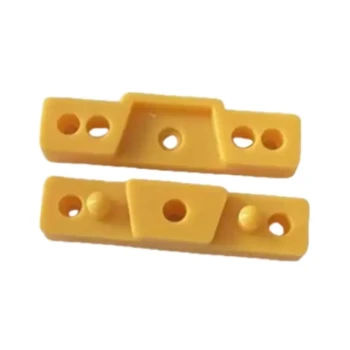
- Durable Plastic Interlocking Hive Connector for Beekeeping
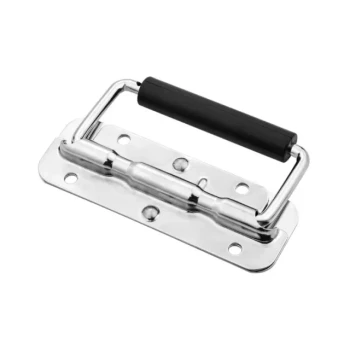
- Premium Comfort Grip Spring-Loaded Hive Handles
- HONESTBEE Premium Italian Style Hive Tool with Hardwood Handle
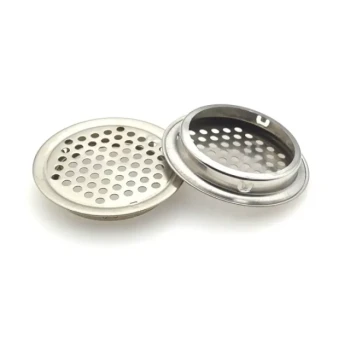
- Stainless Steel Round Beehive Air Vents for Ventilation
- HONESTBEE Professional Long Handled Hive Tool with Precision Cutting Blade
People Also Ask
- How do plastic bee hives compare to wooden hives in handling? Reduce Strain & Boost Efficiency
- Are plastic bee hives any good? Unlock Durability & Efficiency for Your Apiary
- Under what circumstance are beehive connectors particularly beneficial? Optimize Handling for Full Beehive Attachments
- Are plastic bee hives good? Durable, Low-Maintenance Hives for Modern Apiaries
- What is the advantage of using the beehive connector when handling full attachments? Achieve Safe and Efficient Hive Transport