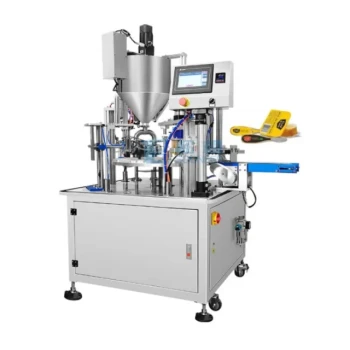
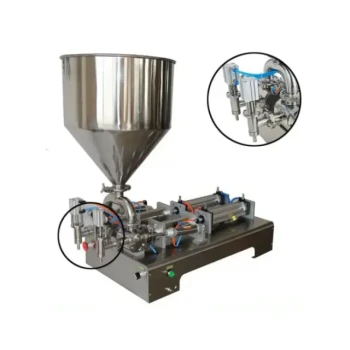
Efficient honey processing technology acts as a critical financial buffer against the economic damage caused by Varroa destructor. By implementing automated extraction, filtration, and filling machines, apiaries can significantly lower labor costs and minimize material waste during the post-harvest phase. This operational efficiency preserves profit margins that are otherwise compressed by the increased management overhead and reduced honey yields typical of mite-infested colonies.
While Varroa mites simultaneously increase production costs and decrease raw supply, high-efficiency processing machinery counterbalances these losses by optimizing the post-harvest workflow. This technology allows beekeepers to offset the financial burden of colony health management through savings in labor and waste reduction.
Countering the Financial Strain of Infestations
Offsetting Rising Management Costs
Varroa destructor infestations force apiaries to incur significant new costs, including chemical treatments, colony replacement, and intensive management labor.
To remain viable, a business must find savings elsewhere to pay for these biological interventions.
Industrial-grade automated filling machines directly address this by drastically reducing the labor required for packaging. This shifts financial resources from repetitive manual tasks to critical colony health management.
Maximizing Yield Value through Waste Reduction
When mite infestations lower the total volume of honey produced, every ounce of product becomes more valuable.
Manual processing often results in spillage, overfilling, or inefficient filtration losses.
Modern processing machines utilize precise metrics to minimize material waste, ensuring that the limited supply available is fully monetized.
Enhancing Market Competitiveness
Ensuring Consistency and Hygiene
Varroa management can lead to fluctuating harvest schedules and volumes, but market demands remain constant.
Automated processing ensures that honey products meet high purity and hygiene standards regardless of upstream agricultural challenges.
This consistency allows commercial apiaries to maintain contracts and scale operations, securing revenue stability even when raw yields vary due to climate or pest pressure.
Managing Price Fluctuations
Profit margin compression is the primary economic threat posed by pests.
By improving packaging quality and processing efficiency, beekeepers can better position their products in the market.
Higher quality packaging allows producers to command better prices or withstand market dips, mitigating the financial volatility associated with pest outbreaks.
Understanding the Trade-offs
Capital Expenditure vs. Biological Risk
While automation reduces operating costs (OpEx), it requires significant upfront capital expenditure (CapEx).
If an apiary's colony losses from Varroa are catastrophic, there may not be enough honey yield to justify the ROI of a high-capacity machine immediately.
Maintenance and Technical Overhead
Transitioning to automated lines introduces a new type of overhead: machine maintenance.
Beekeepers must weigh the cost of technical maintenance against the savings in manual labor.
For smaller operations, the complexity of industrial machinery may distract from the core focus of biological mite management.
Making the Right Choice for Your Goal
Investing in processing technology is a strategic move to insulate your business from agricultural instability.
- If your primary focus is immediate cost control: Prioritize high-speed filling machines to maximize labor savings and offset expensive mite treatment regimes.
- If your primary focus is market resilience: Invest in precision filtration and premium packaging capability to maintain revenue stability despite lower production volumes.
Technology alone cannot cure a Varroa infestation, but it provides the economic efficiency required to survive the battle.
Summary Table:
| Economic Factor | Impact of Varroa Infestation | Role of Efficient Machinery |
|---|---|---|
| Labor Costs | Increased due to colony management | Reduced through automated filling & extraction |
| Product Yield | Lowered due to colony health decline | Maximized by minimizing waste and spillage |
| Operating Costs | High due to chemical treatments | Lowered via process optimization & speed |
| Market Value | Vulnerable to supply fluctuations | Stabilized by consistent, high-quality packaging |
Secure Your Apiary’s Future with HONESTBEE
In the face of biological challenges like Varroa destructor, operational efficiency is your best defense. HONESTBEE empowers commercial apiaries and distributors to reclaim their profit margins with our industrial-grade beekeeping solutions.
From high-precision honey-filling machines and automated extraction lines to essential beekeeping tools and consumables, we provide the hardware you need to reduce labor costs and eliminate waste. Whether you are scaling a wholesale operation or upgrading your facility, our comprehensive portfolio—including specialized hive-making machinery and honey-themed merchandise—is designed to drive your success.
Maximize your yield and minimize your overhead today. Contact HONESTBEE now to explore our wholesale equipment solutions.
References
- S.I. Andriamanalina, Romaine Ramananarivo. Economic issues of Malagasy horticultural and beekeeping fields facing the emerging of the varroa. DOI: 10.17660/actahortic.2016.1125.43
This article is also based on technical information from HonestBee Knowledge Base .
Related Products
- Fully Automatic Honey Filling Packaging Machine for Processing Line
- Precision Durable Efficient HONESTBEE Rotary Honey Filling Machine
- Automatic Honey Filling and Filtering Machine for Beekeeping Bottle Filling
- Economy Small Honey Filling Machine Honey Bottle Filler Packaging Machine
- Commercial Rotary Honey Filling Machine for Production
People Also Ask
- Why are fully automatic honey filling and packaging lines essential? Boost Your Honey's Market Value and Quality
- What is a fully-automatic honey filler? Streamline Your Production with High-Precision Automation
- How do automated honey filling and packaging machines affect profitability? Boost Margins with HONESTBEE Technology
- How do automated honey filling and packaging machines contribute to the market value of honey products? Maximize Your ROI
- How do industrial-grade automated honey filling and packaging machines mitigate the risk of physical contamination?