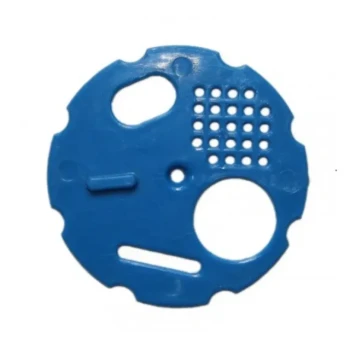
A beehive entrance reducer is a removable barrier used to physically narrow the opening of a honey bee hive. Typically made of wood, this tool fits snugly between the bottom board and the first hive body (deep super), allowing the beekeeper to adjust the entrance size according to the season and the colony's strength.
The entrance reducer is not just about size; it is a critical instrument for hive defense and climate control. By limiting the entryway, it allows a colony to defend its resources with fewer guards and maintains internal stability during adverse weather.
The Mechanics of Hive Defense
Combatting Robbing Behavior
In the fall, natural forage often becomes scarce, leading bees to search for resources in other hives.
An entrance reducer is essential during these times because a smaller opening limits the space bees must protect. This prevents "robbing," where stronger colonies steal honey from weaker ones.
Supporting Vulnerable Colonies
New colonies, such as package bees or nucleus hives (nucs), often lack the population numbers to guard a wide entrance.
It is highly recommended to install a reducer with the smallest opening when establishing these new colonies. This artificial aid allows the bees to secure their home until their population grows large enough to manage a full-sized entrance.
Environmental and Pest Control
Winterizing the Hive
During winter, bees cluster together to generate warmth. An entrance reducer helps maintain this internal temperature by restricting cold drafts.
Note that the impact on ventilation varies; if you use a screened bottom board, the reducer will have less influence on total airflow but still protects against wind entry.
Excluding Large Pests
As the weather cools, pests like mice and chipmunks seek warm shelters—often inside beehives.
Placing a reducer on the landing board acts as a physical barrier against these intruders. This is particularly vital when bees are clustered and unable to actively chase off large pests.
Practical Application
Proper Placement and Materials
The standard reducer is a wooden cleat placed directly on the landing board at the hive's front.
While manufactured reducers are standard, you can improvise in emergencies. Natural items like small pinecones, sticks, or pieces of chestnut can be wedged into the entrance to achieve a similar reduction effect.
Seasonal Adjustments
Entrance reduction is dynamic, not static. While full entrances are common in peak summer flow, reducers are standard equipment for winter months and fall dearths.
Understanding the Trade-offs
The Limitations of Wood Against Mice
While a wooden entrance reducer discourages pests, it is not impenetrable.
Mice can, and often do, chew through wooden reducers to gain access. For absolute protection against rodents, a metal mouse guard is considered technically superior to a standard wooden reducer.
Ventilation and Congestion
Reducing the entrance restricts the movement of air and bees.
In high heat or during a heavy nectar flow, a reducer can cause congestion at the entrance or reduce necessary ventilation. It is crucial to remove or adjust the reducer when the colony is strong and the weather is warm to prevent overheating.
Making the Right Choice for Your Goal
To effectively manage your hive, apply the entrance reducer based on your specific objective:
- If your primary focus is establishing a new colony: Use the smallest opening immediately upon installation to help the small population defend their new home.
- If your primary focus is winterizing: Install the reducer (or a metal guard) to retain heat and prevent mice from nesting in the cluster.
- If your primary focus is preventing robbing: Reduce the entrance size in the fall or whenever forage is scarce to help your bees fend off intruders.
By mechanically adjusting the hive's perimeter, you transform a vulnerability into a defensible "choke point" that ensures your colony's security.
Summary Table:
| Feature | Purpose | Recommended Use Case |
|---|---|---|
| Smallest Opening | Maximum defense & heat retention | New packages, nucs, and winterizing |
| Medium Opening | Balanced airflow & security | Establishing colonies and fall dearth |
| No Reducer | Maximum ventilation & traffic | Peak summer nectar flow and high heat |
| Material Choice | Physical barrier | Wood (standard) or Metal (for rodent protection) |
Secure Your Apiary with HONESTBEE Professional Solutions
Protecting your colony starts with the right equipment. HONESTBEE provides commercial apiaries and distributors with high-quality beehive entrance reducers, specialized hardware, and a complete range of beekeeping machinery. Whether you are looking for precision hive-making equipment or essential consumables for large-scale operations, we offer the wholesale expertise you need to scale your success.
Ready to upgrade your beekeeping inventory? Contact HONESTBEE Today to explore our full spectrum of tools and equipment.
Related Products
- Steel Round Disc Entrance Reducer for Flexzion Bee Hive Nuc Box Gate
- Beehive Entrance Reducer Guardian Metal Hive Entrance for Bees
- HONESTBEE Entrance Bee Feeder Professional Hive Nutrition Solution for Beekeeping
- Beehive Entrance Discs Plastic Bee Entrance Disc for Bee Hives
- Professional Hive Front Entrance Bee Feeder
People Also Ask
- What is the purpose of an entrance reducer for a beehive? Strengthen Colony Defense and Prevent Robbery
- Why are entrance reducers used to counter hornet infestations? Protect Your Hive with Strategic Choke Points
- Why is it critical to maintain a smaller entrance for a newly established bee hive? Boost Colony Growth and Security
- Under what conditions should a beekeeper adjust the size of a beehive entrance? Seasonal & Defense Management Tips
- What is the function of an entrance reducer on a beehive? Strengthen Colony Defense and Climate Control