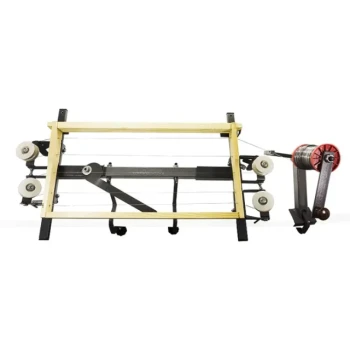
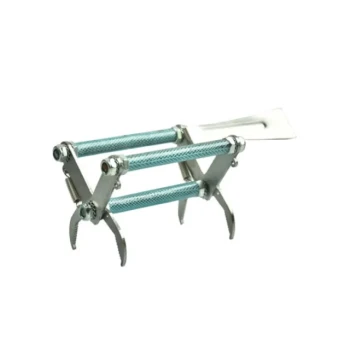
A beehive frame is a removable structural component designed to securely hold and support the honeycomb foundation within a hive. It allows the beekeeper to install independent units into the hive box, enabling the bees to build their comb in a controlled manner while permitting the inspection of individual sheets without destroying the colony's work.
The frame serves as the structural skeleton of the hive interior. By holding a foundation sheet in place, it guides bees to build straight, manageable comb that can be easily removed for inspection or honey extraction.
The Role of the Frame in the Hive
Supporting the Foundation
The primary purpose of the frame is to house the foundation. As described in standard apiary practice, the foundation is a sheet—typically made of plastic or beeswax—that is embossed with a hexagonal honeycomb pattern. This pattern acts as a blueprint, guiding the bees to build uniform cells for raising brood or storing honey.
Enabling Independent Inspection
Before the invention of the movable frame, inspecting a hive often meant cutting out comb and damaging the colony. Frames hang independently within the hive body. This modular design allows you to lift out a single pane of honeycomb to check for the queen, disease, or honey stores without disrupting the rest of the hive.
Structural Integrity
Honey and brood are heavy. A four-sided wooden or plastic frame provides the necessary rigidity to support the weight of a fully drawn-out comb. This strength is particularly vital if you plan to use a centrifugal extractor to harvest honey, as unsupported comb would collapse under the force.
Configuration Options
Standard Frames with Foundation
The most common configuration involves a wooden frame fitted with a sheet of foundation. This is the standard for maximum honey production and ease of management. The foundation sheet ensures the bees maximize the available space and build straight lines that do not cross over into adjacent frames.
Foundationless Frames
It is possible to use frames without inserting a foundation sheet, a practice known as foundationless beekeeping. In this setup, the frame provides the outer border, but the bees are left to build their own comb naturally within the space. Beekeepers often add wire across the frame to give the natural wax some internal support.
Top Bars (The Alternative)
While not a traditional frame, the top bar is a related alternative. Instead of a four-sided box, a simple wooden slat is placed across the top of the hive. Bees attach their comb to this bar and let it hang freely. This method mimics natural nest construction but lacks the protective borders of a full frame.
Understanding the Trade-offs
Ease of Management vs. Natural Construction
Using frames with foundation is generally easier for the beekeeper. It forces the bees to build straight, uniform comb that is easy to remove and handle. Foundationless frames or top bars allow for more natural bee behavior, but the bees may build "burr comb" (bridging gaps between frames), making inspections difficult and messy.
Durability During Extraction
If your goal is to harvest honey using a spinner (extractor), wired frames with foundation are superior. The foundation and wire reinforce the wax, preventing it from blowing out during the spinning process. Foundationless comb or top bar comb is often too fragile for mechanical extraction and is typically crushed to harvest the honey.
Making the Right Choice for Your Goal
Whether you choose traditional frames or alternative methods depends entirely on your management style.
- If your primary focus is maximizing honey yield and ease of inspection: Stick to standard wooden or plastic frames with inserted foundation to ensure straight, durable comb.
- If your primary focus is natural beekeeping: Consider foundationless frames or top bars to allow the bees to determine their own cell sizes and comb structure.
Ultimately, the beehive frame is the essential tool that allows you to manage a colony effectively without being an intruder in their home.
Summary Table:
| Feature | Standard Frames with Foundation | Foundationless Frames | Top Bar Alternative |
|---|---|---|---|
| Core Purpose | Maximize honey & straight comb | Natural wax construction | Mimics natural nest hanging |
| Support | High (Rigid outer frame + Sheet) | Medium (Outer frame + Wire) | Low (Single top slat only) |
| Inspection | Very Easy (Modular units) | Moderate (Risk of breakage) | Challenging (Fragile comb) |
| Extraction | Centrifugal Extractor Safe | Crush & Strain only | Crush & Strain only |
| Best For | Commercial honey production | Natural beekeeping advocates | Minimalist/Alternative hives |
Elevate your apiary's productivity with premium beekeeping essentials from HONESTBEE. As a dedicated partner to commercial apiaries and global distributors, we provide a complete range of high-quality wooden and plastic frames, foundation sheets, and hive-making machinery. Whether you are scaling your honey-filling operations or outfitting a wholesale inventory, our comprehensive hardware and consumable portfolio ensures your success. Contact our expert team today to access our wholesale catalog and discover how we can streamline your beekeeping supply chain.
Related Products
- Stainless Steel Bee Hive Frame Wire for Beekeeping
- Wooden Bee Hive Frames for Beekeeping and Wholesale
- Heavy-Duty Stainless Steel Clip-On Frame Perch
- Assembled Wooden Bee Frames with Plastic Foundation for Durability and Convenience by HONESTBEE
- Professional Galvanized Steel Frame Rest for Beehives
People Also Ask
- What are the arguments for and against wiring beehive frames? Balance Durability and Management Flexibility
- What are the drawbacks of wiring beehive frames? Key Limitations and Structural Trade-offs Revealed
- How is the wire secured at the top of the frame? A Guide to Locking in Tension for Strong Honeycomb
- What factors determine the amount of wiring needed in beehive frames? Tailor Your Strategy for Your Climate
- What tools are needed to wire a beehive frame? Essential Equipment for Durable Frame Construction