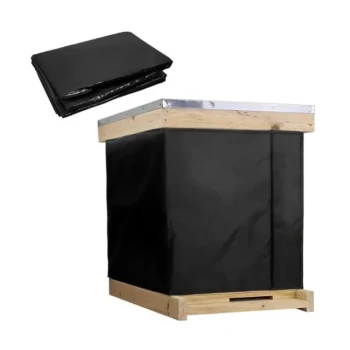
A frequent error in judgment among beekeepers in southern or warmer regions is the belief that adding insulation will cause the hive to overheat and essentially "cook" the bees. This is factually incorrect; rather than acting as a heater, insulation serves as a barrier against external solar heat, helping the colony maintain a cooler internal environment more efficiently.
The function of insulation is stability, not heating. It acts as a thermal shield that blocks extreme external temperatures, allowing the colony to regulate humidity and temperature with significantly less energy expenditure.
The Mechanics of Hive Insulation
The Barrier Principle
It is critical to understand that insulation does not actively generate heat. Instead, it acts as a resistance layer to heat transfer.
In a warm climate, this layer prevents the intense heat of the sun from penetrating the hive walls.
Preventing the "Oven" Effect
The fear that insulation creates an oven is based on a misunderstanding of thermodynamics. An oven applies active heat to an enclosed space.
Insulation does the opposite: it shields the interior from the heat source (the sun), preventing the internal temperature from spiking to dangerous levels.
Energy Conservation and Colony Health
Reducing the Cooling Workload
Bees expend massive amounts of energy regulating the hive's temperature and humidity. Without insulation, the colony must work harder to actively cool the hive against the sun's radiation.
Insulation minimizes this thermal stress, allowing the bees to maintain homeostasis with less effort.
Boosting Productivity
When bees spend less energy on temperature regulation, that energy is redirected to other vital tasks.
An insulated colony can focus more resources on foraging, feeding, and hive protection, rather than exhausting themselves fighting the elements.
Common Pitfalls in Logic
Confusing Insulation with Heating
The most significant mental trap is equating insulation with an active heat source.
You must remember that insulation is passive. It retains heat in winter and blocks heat in summer, providing year-round benefits regardless of the specific climate zone.
Overlooking the Year-Round Advantage
Focusing only on the "warming" aspect of insulation leads to missed opportunities in summer management.
By viewing insulation only as a tool for cold weather, beekeepers unintentionally expose their colonies to unnecessary heat stress during the hottest months.
Making the Right Choice for Your Apiary
Ideally, hive management should prioritize energy efficiency for the bees. Based on the thermal principles involved:
- If your primary focus is Colony Health: Insulation reduces physical stress on the bees by stabilizing the internal environment against extreme heat.
- If your primary focus is Productivity: Reducing the energy required for cooling allows the colony to dedicate more resources to honey production and foraging.
Insulation is not just a winter coat; it is a year-round climate control tool that empowers your bees to thrive.
Summary Table:
| Principle | Misconception | Reality of Insulation |
|---|---|---|
| Function | Acts like a heater | Acts as a thermal barrier/shield |
| Solar Heat | Traps heat inside | Blocks external solar radiation |
| Energy Use | Overworks the bees | Reduces workload for cooling/ventilation |
| Outcome | Causes "cooking" | Stabilizes temperature & boosts productivity |
Maximize Your Apiary's Potential with HONESTBEE
Don't let thermal stress limit your colony's growth. HONESTBEE provides professional-grade beekeeping tools and machinery designed for the modern commercial apiary. Whether you are a distributor looking for wholesale supplies or a large-scale operation needing specialized hive-making and honey-filling equipment, we deliver the reliability you need.
From essential consumables to honey-themed cultural merchandise, our comprehensive portfolio ensures your bees thrive in any climate. Contact us today to optimize your operation and see how our premium equipment can enhance your productivity.
Related Products
- Professional Insulated Winter Hive Wrap for Beekeeping
- Professional Insulated Plastic Bee Hives
- Inner Beehive Cover for Beekeeping Bee Hive Inner Cover
- Stainless Steel Round Beehive Air Vents for Ventilation
- Metal Hive Feet Bee Hive Stand for Ant Protection
People Also Ask
- What are the steps to properly wrap a beehive for winter? Ensure Your Colony Survives the Cold
- When is the best time to wrap a beehive for winter? A Guide to Perfect Winterization Timing
- How do professional insulation wraps provide protection for bee colonies? Optimize Winter Survival & Energy Efficiency
- What are the technical benefits of using winter wraps for beehive insulation? Boost Colony Survival & Hive Health
- What are the benefits of using insulated covers for hives? Ensure Colony Survival and Health