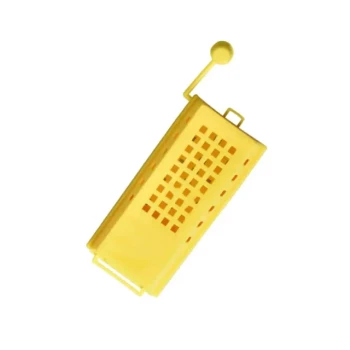
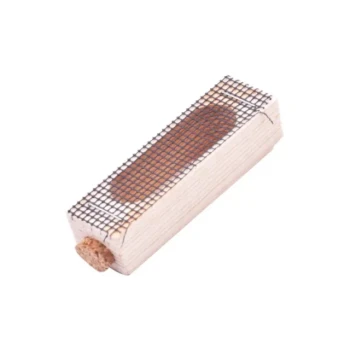
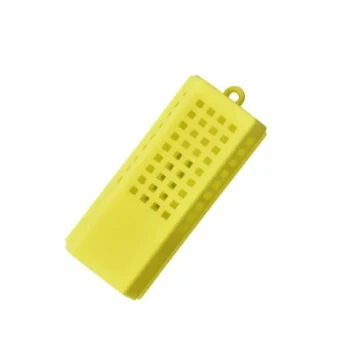
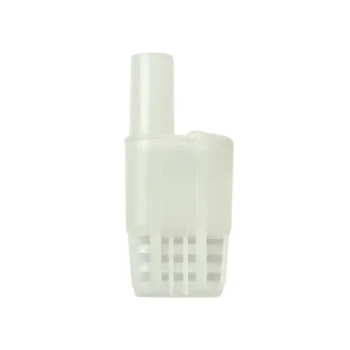
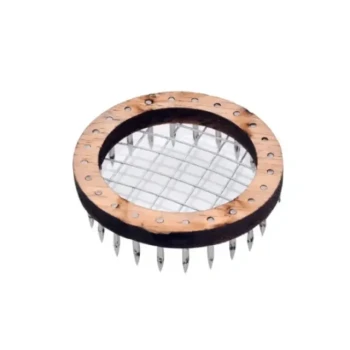
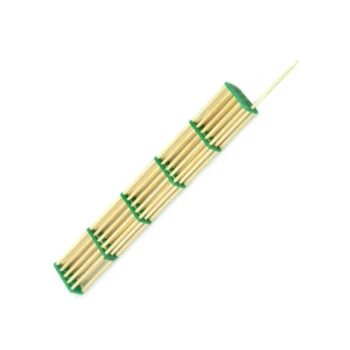
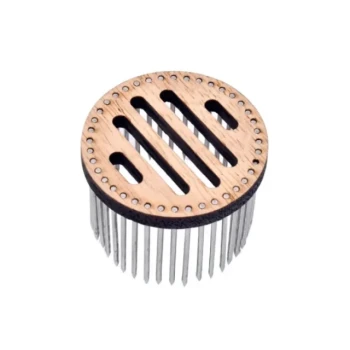
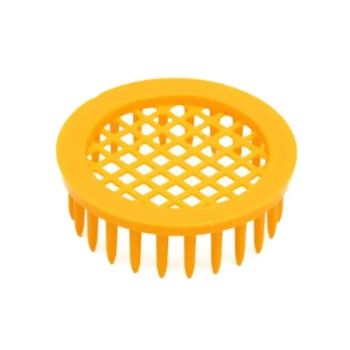
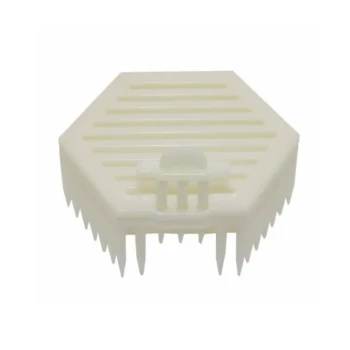
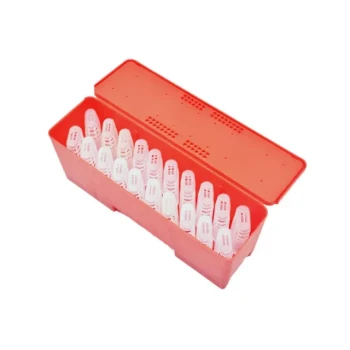
A queen cage is a specialized protective enclosure designed to hold a queen bee during transportation and introduction into a honey bee colony. Typically constructed from wire mesh, plastic, or wood, this device physically isolates the queen to ensure her safety while allowing her pheromones to permeate the hive.
The queen cage acts as a biological buffer, enabling a colony to gradually acclimate to a new queen's presence without the risk of immediate aggression or rejection.
The Core Function: Protection and Acceptance
The queen cage solves the fundamental problem of hive hierarchy and defense. It is not merely a container; it is a tool for biological integration.
Preventing Aggressive Rejection
Honey bee colonies are instinctively defensive against intruders, including foreign queens. Without a cage, a new queen introduced directly into a hive would likely be attacked and killed by the resident workers.
Facilitating Acclimatization
The cage features a mesh or gauze structure that allows air to flow freely. This enables the colony to smell the queen and become accustomed to her pheromones safely before physical contact occurs.
Ensuring Safe Transportation
Beyond introduction, these cages are essential for shipping. They protect the queen from physical harm and external disturbances during transit, keeping her in a stable physiological state.
Providing Sustenance
As noted in technical specifications, these cages often contain a sugar solution. This sustains the queen's energy levels during the journey or the holding period before she is released.
Design and Materials
While the function remains consistent, the physical construction of the cage can vary to suit specific beekeeping needs.
Wire Mesh and Plastic Enclosures
Standard cages often utilize wire mesh or plastic to create a secure barrier. This design prioritizes maximum ventilation and visibility, allowing the beekeeper to easily monitor the queen's condition.
Wooden Cages
Some cages are constructed from wood with a wire face. The structure of these wooden cages is specifically designed to allow worker bees to interact with the queen, often entering specific compartments to feed and care for her while she remains isolated.
Queen Clips
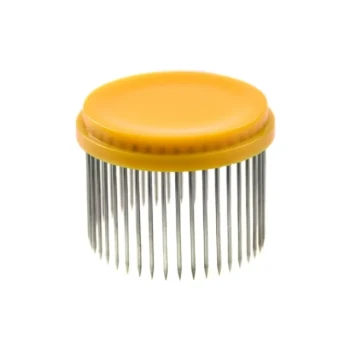
A variation of the cage is the queen clip. This tool is frequently used during hive inspections to temporarily isolate a queen, preventing her from being accidentally crushed or lost while frames are manipulated.
Understanding the Trade-offs
Using a queen cage is the industry standard for safe introduction, but it introduces specific constraints that a beekeeper must manage.
Delayed Egg Production
While the queen is caged, she is physically unable to lay eggs. This creates a temporary pause in brood production, which can slightly delay the expansion of the colony's population.
Requirement of Patience
The process cannot be rushed. The cage enforces a "gradual introduction," meaning the beekeeper must wait for the colony to accept the queen before releasing her, rather than performing an immediate replacement.
Making the Right Choice for Your Goal
The utility of a queen cage depends on the specific phase of colony management you are undertaking.
- If your primary focus is Introducing a New Queen: Rely on the cage to prevent direct contact between the queen and workers until the colony creates a non-aggressive bond with her.
- If your primary focus is Transportation: Ensure the cage is stocked with a sugar solution to sustain the queen's metabolism during the journey.
- If your primary focus is Hive Inspection: Use a queen clip or cage to temporarily secure the queen, eliminating the risk of accidental injury during frame manipulation.
Success in beekeeping requires respecting the colony's need for time to accept new leadership; the queen cage is the essential tool that buys you that time.
Summary Table:
| Feature | Purpose | Typical Materials |
|---|---|---|
| Physical Isolation | Prevents worker aggression and rejection | Plastic, Wire Mesh, Wood |
| Pheromone Flow | Allows the colony to acclimate to the new queen | Perforated or Mesh screens |
| Sustenance Space | Holds sugar candy to feed the queen during transit | Dedicated food compartments |
| Ventilation | Ensures queen survival during long shipping times | Open-air mesh design |
Elevate Your Apiary Management with HONESTBEE
At HONESTBEE, we understand that the queen is the heart of your colony. As a dedicated partner to commercial apiaries and global distributors, we provide professional-grade queen cages, transportation tools, and a full spectrum of beekeeping machinery designed for reliability and efficiency.
From specialized hardware like hive-making and honey-filling machines to essential consumables and honey-themed merchandise, our wholesale offerings are tailored to help your business thrive. Contact us today to discover how our comprehensive equipment solutions can streamline your operations and secure your hive's future.
Related Products
- Durable Galvanized Steel Spring Queen Bee Cage
- Professional Queen Cage with Sliding Gate and Feeder Plug
- Classic Wooden and Mesh California Queen Cage
- Professional Queen Bee Introduction and Transport Cage
- Professional Multi-Functional Queen Bee Cage
People Also Ask
- Why are specialized queen bee cages used for the banking of mated queen bees? Maximize Commercial Apiary Storage Efficiency
- What is the mechanism of action for using temporary queen bee cages? Master Successful Queen Introduction
- What is the step-by-step process for installing a queen bee's cage onto a frame? Ensure Hive Acceptance Safely
- What is the optimal placement for a queen bee cage? Essential Strategies for Successful Re-queening
- What are the advantages and disadvantages of introducing a queen bee by embedding the cage? Boost Your Queen Acceptance