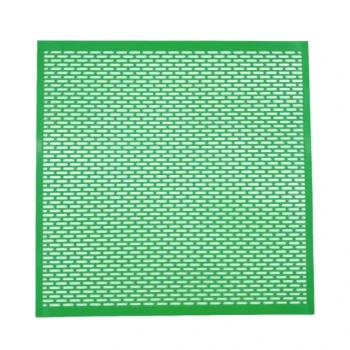
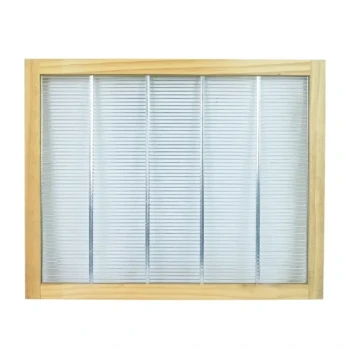
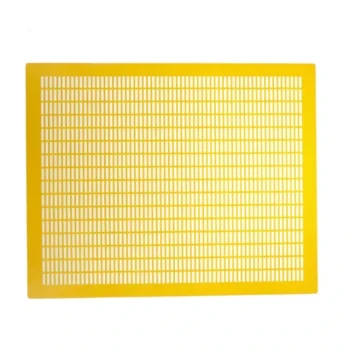
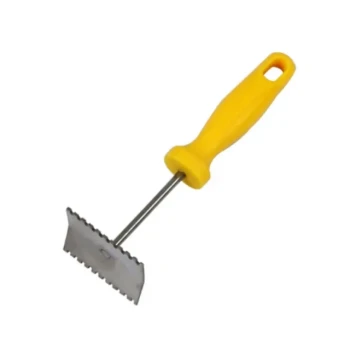
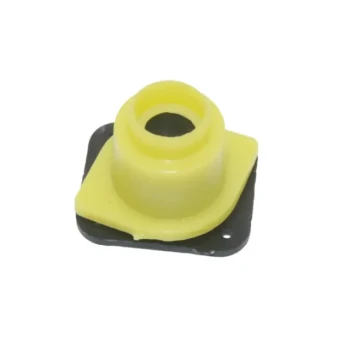
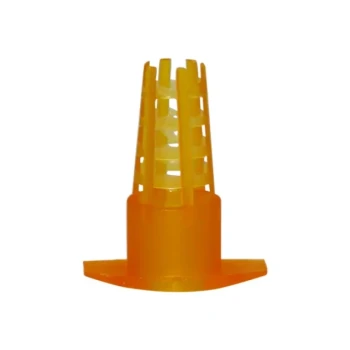
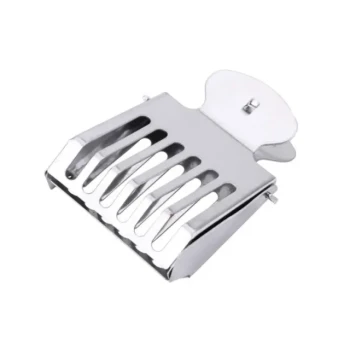
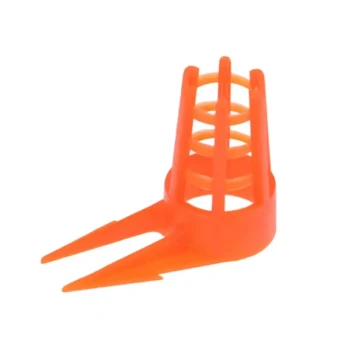
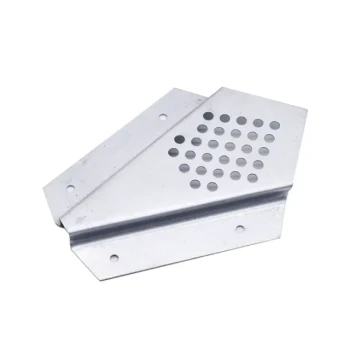
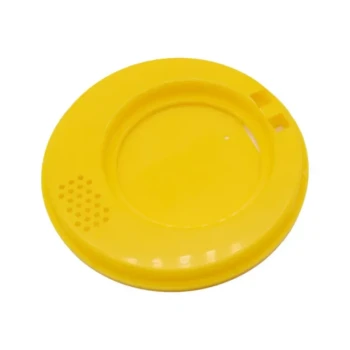
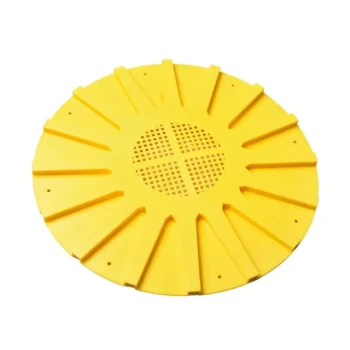
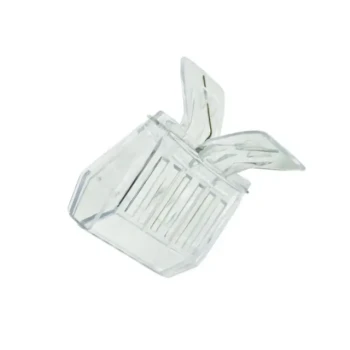
A queen excluder is a specialized selective barrier used in beekeeping to physically separate the queen bee from specific areas of the hive. Typically made of metal or plastic, this flat grid is placed between the brood chamber (where eggs are laid) and the honey supers (where honey is stored).
The device features precise openings—usually around 4.2 millimeters—that allow smaller worker bees to pass through freely. However, these openings are too narrow for the larger thoraxes of the queen and drones, effectively confining them to the lower brood boxes.
By leveraging the physical size difference between bee castes, the queen excluder ensures that egg-laying is strictly confined to the brood chamber, keeping harvestable honey frames free of larvae and cocoons.
The Mechanics of Exclusion
Precision Engineering
The grid is designed with a specific tolerance, usually spaced at 4.2 millimeters. This measurement is critical to the device's function.
Selective Permeability
Because worker bees are the smallest adults in the colony, they navigate the grid without issue to store nectar in the upper boxes.
Restricting the Reproductive Castes
The queen and the drones possess significantly larger thoraxes than workers. The grid acts as a physical wall for them, preventing them from traversing into the upper honey supers.
Primary Purpose: Operational Efficiency
Guaranteeing Honey Purity
The most distinct purpose of the excluder is to prevent the queen from laying eggs in the honey supers.
Without this barrier, a queen may move upward and lay brood in the frames intended for honey harvest. This complicates extraction and results in "dirty" honey frames containing developing larvae.
Simplifying Hive Inspections
When a queen excluder is in place, the beekeeper knows exactly where the queen is likely to be: the brood chamber.
This eliminates the need to sift through heavy honey supers to locate the queen during inspections or re-queening procedures.
Secondary Benefits and Protection
Pest Control and Hygiene
Using an excluder helps reduce the attraction of certain pests, specifically wax moths.
Wax moths are drawn to the dark brood cocoons left behind after larvae hatch. By preventing brood rearing in honey supers, you keep those combs cleaner and less attractive to these pests.
Colony Management
The excluder assists in regulating the colony's size and expansion. This can be particularly useful when managing the temperament of aggressive bee strains by controlling where the population expands.
Understanding the Trade-offs
Impact on Drones
It is important to remember that the excluder restricts drones (male bees) as well as the queen.
If an upper entrance is not provided or if drones hatch above the excluder, they effectively become trapped in the honey supers, unable to leave the hive to mate or defecate.
Potential for Virgin Queen Passage
While the excluder stops mated, laying queens, a smaller virgin queen may occasionally be able to squeeze through the grid.
However, even if a virgin queen bypasses the barrier, she is not yet laying eggs, so the immediate risk to honey purity is minimal.
Making the Right Choice for Your Goal
Whether you utilize a queen excluder depends on your specific management philosophy and harvest goals.
- If your primary focus is pure honey production: Use an excluder to guarantee that your extraction frames remain 100% free of brood and cocoons.
- If your primary focus is efficiency: Use an excluder to significantly speed up inspections, as you will not need to search honey supers for the queen.
- If your primary focus is pest prevention: Use an excluder to protect your honey combs from the brood cocoons that attract wax moths.
Ultimately, the queen excluder is a tool of convenience and control, allowing the beekeeper to dictate the internal structure of the colony rather than leaving it to nature.
Summary Table:
| Feature | Specification/Detail | Key Benefit |
|---|---|---|
| Grid Spacing | ~4.2 mm Precision Gap | Allows workers through; restricts queen/drones |
| Primary Goal | Brood/Honey Separation | Ensures harvestable honey is free of larvae |
| Material | Metal or Plastic Grids | Durable, easy to clean, and long-lasting |
| Maintenance | Pest Prevention | Keeps honey frames clean and unattractive to moths |
| Management | Locating the Queen | Confines queen to brood chamber for faster inspections |
Maximize Your Apiary Productivity with HONESTBEE
Elevate your beekeeping operations with professional-grade tools designed for efficiency. HONESTBEE caters to commercial apiaries and distributors by providing a comprehensive wholesale selection of beekeeping hardware. From high-precision queen excluders and hive-making machines to advanced honey-filling equipment and industry consumables, we supply everything you need to scale your business.
Whether you are looking to source specialized tools or honey-themed cultural merchandise for your distribution network, our team is ready to deliver quality and value to your doorstep.
Ready to streamline your honey production? Contact us today to explore our wholesale catalog!
Related Products
- High Performance Plastic Queen Excluder for Beekeeping and Apiary Management
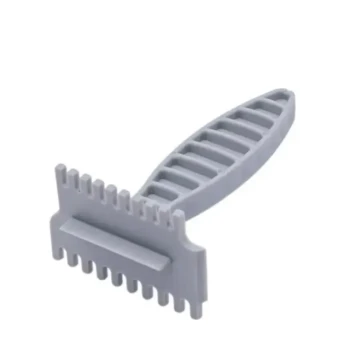
- Lightweight Durable Plastic Queen Excluder Scraper for Beekeeping
- Premium Wood Framed Metal Wire Queen Bee Excluder
- Professional Plastic Queen Excluder for Modern Beekeeping
- Metal Queen Bee Excluder for Beekeeping
People Also Ask
- What are the characteristics of a plastic queen excluder? Key Benefits for Cost-Effective Beekeeping
- What are the operational and cost advantages of using plastic queen excluders over metal or wire excluders in commercial hive management? Discover how they reduce labor, prevent wing damage, and lower total costs.
- What types of queen excluders are available for beekeepers? Choose the Right Tool for Your Hive
- Why are standardized hive frames and queen excluders essential for maintaining honey purity and quality? Scale Your Purity
- Do plastic queen excluders work? A Cost-Effective Solution for Modern Apiaries