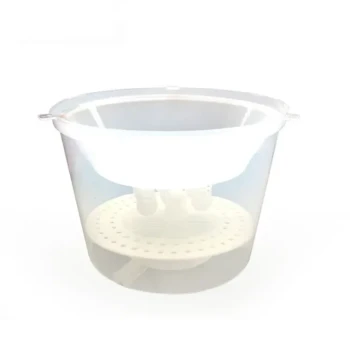
The single most critical safety consideration when removing oil-filled beetle traps is preventing accidental spills. You must remove the traps with extreme caution to ensure the oil remains contained within the reservoir. The oil used to drown small hive beetles is equally harmful to honeybees, meaning a splash or spill can result in bee mortality.
The effectiveness of an oil trap relies on its ability to coat and suffocate pests; however, this mechanism does not discriminate between beetles and bees. Consequently, maintaining a steady hand during removal is essential to protect the colony from contamination.
The Risk of Oil Contamination
Why Oil is Dangerous to Bees
The physical properties that make oil effective against beetles make it dangerous to your colony. Just as the oil coats the breathing pores of the beetle, it can coat and suffocate your bees.
The Consequences of Spills
If oil spills onto the bees, it can kill them directly. Furthermore, spilling oil onto the comb or frames contaminates the hive environment, potentially requiring the removal of resources the bees have worked to gather.
Best Practices for Safe Removal
Prevention Starts at Installation
The safest removal starts weeks before, during the installation phase. Do not overfill the traps. Keeping the oil level moderate ensures there is a buffer zone, reducing the likelihood of a spill if the trap is jostled.
Handling Techniques
When extracting the trap, move slowly and deliberately. Keep the device perfectly level until it is completely clear of the hive body.
Managing Propolis Adhesion
Bees often propolize traps to the frames. Break these seals gently before lifting to avoid the sudden, jerking motions that typically cause spills.
Common Pitfalls to Avoid
Overfilling the Reservoir
The most common error is filling the trap to the brim to extend the time between maintenance checks. This eliminates the "slosh guard" space needed for safe removal, making spills almost inevitable.
Hasty Inspections
Rushing through a hive inspection increases the risk of tipping a trap. Treating the trap removal as a precision task rather than a routine step prevents unnecessary damage to the colony.
Ensuring Colony Safety During Maintenance
Protecting your bees from their own pest control measures requires mindfulness and steady hands.
- If your primary focus is maximizing safety: Fill traps to the minimum effective level to reduce the volume of potential spills.
- If your primary focus is efficient maintenance: Break propolis seals around the trap gently before attempting to lift it to prevent sudden jerks.
Treat every oil trap as a potential hazard to your bees, and handle it with the care the colony deserves.
Summary Table:
| Safety Consideration | Risk Factor | Prevention Strategy |
|---|---|---|
| Oil Spillage | Suffocates honeybees on contact | Maintain a level position and move slowly |
| Overfilling | Reduces 'slosh guard' buffer | Only fill to the minimum effective level |
| Propolis Adhesion | Causes jerky motions when lifting | Gently break seals with a tool before removal |
| Hive Contamination | Destroys frames and food stores | Keep traps clear of comb during extraction |
Secure Your Apiary’s Success with HONESTBEE
Protecting your colony requires precision, and so does scaling your beekeeping business. At HONESTBEE, we empower commercial apiaries and distributors by providing a comprehensive wholesale range of high-quality beekeeping tools and advanced machinery. From professional-grade hive-making equipment and honey-filling machines to essential industry consumables and honey-themed merchandise, our portfolio is designed to enhance your operational efficiency.
Ready to elevate your wholesale supply chain? Contact our team today to discover how our specialized hardware and extensive equipment catalog can support your growth and deliver superior value to your customers.
Related Products
- Black Plastic Beetle Barn Hive Beetle Trap for Beehives
- Removable Washable Hive Beetle Trap Attractants for Small Hive Beetles
- Reusable Aluminium Beetle Trap for Small Hive Beetles Silver Bullet
- Plastic Beetle Blaster Trap Beekeeping Tools and Supplies
- Reusable Clear Small Hive Beetle Traps for Beehives Beetle Trapping Tools
People Also Ask
- How should powdered substances be used in beetle traps for hive beetle control? Expert Guide for Maximum Colony Protection
- What are the three main types of hive beetle traps? Expert Solutions for Protecting Your Bee Colonies
- What are the types of hive beetle traps available? Master Your Beetle Control Strategy
- What are the main types of hive beetle traps available? A Beekeeper's Guide to Effective Control
- What mechanical methods can be used to manage small hive beetles? Effective Physical Solutions for Your Beehive