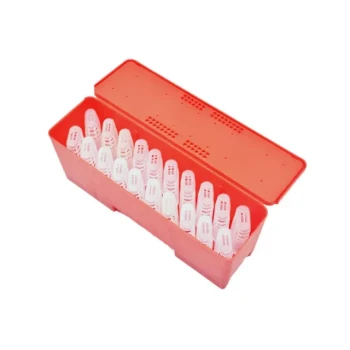
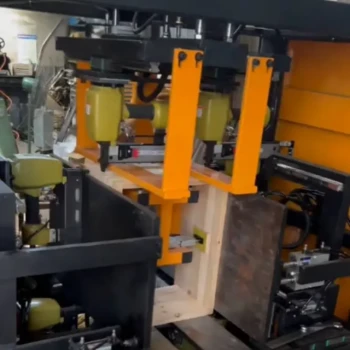
Standardized beekeeping boxes are the essential physical foundation for commercial apiculture. These specialized enclosures provide a controlled environment for colony growth and reproduction while shielding bees from harsh weather and predators. By utilizing a uniform internal frame design, they allow beekeepers to perform critical manual inspections, manage pests, and harvest honey efficiently without compromising the structural integrity of the colony.
Core Takeaway: Standardized boxes transition apiculture from unpredictable wild harvesting to a scalable industrial process. They serve as the primary hardware required for colony health management, mobile beekeeping logistics, and high-yield honey production.
Optimizing Colony Management and Health
Environmental Control and Protection
Standardized boxes function as a fortified habitat that regulates the microclimate for the honeybee population. This protection is vital during the initial stages of a commercial operation, as it minimizes colony loss due to adverse weather or natural predators like birds and ants.
Precision Internal Frameworks
The core of these boxes lies in their uniform frame design, which facilitates systematic inspections and disease monitoring. Unlike traditional methods, standardized frames allow beekeepers to remove and examine individual combs without destroying the hive's architecture, ensuring the colony remains productive.
Streamlining the Harvesting Process
Efficiency is the primary driver of commercial success, and standardized equipment enables rapid honey extraction. Because the frames are interchangeable and designed for mechanical extractors, distributors can offer their clients a path to maximizing honey yield per colony with minimal labor overhead.
Driving Industrial Scalability and Logistics
Facilitating Migratory Beekeeping
For commercial operations that rely on pollination services, the structural integrity of standardized hives is non-negotiable. These boxes are engineered for safe loading and high-density transportation, allowing colonies to be moved between agricultural sites, such as pineapple plantations, with minimal stress.
Reducing Operational Costs
By shifting from wild trapping to systematic rearing in standardized hardware, commercial apiaries significantly lower their customer acquisition costs for new colonies. This predictability allows wholesalers to provide their clients with reliable equipment forecasts and more stable profit margins.
Enabling Full-Spectrum Integration
Standardized hardware serves as the "anchor" for a broader product portfolio, including protective gear, extraction tools, and health supplements. For a distributor, offering a comprehensive inventory centered on standardized boxes ensures long-term client retention and simplified one-stop sourcing.
Understanding the Trade-offs
The Risk of Substandard Materials
While the design is standardized, the material quality can vary significantly between suppliers. Lower-grade wood or poorly fitted joints can lead to warping or "bee space" violations, which complicates inspections and can lead to increased bee irritability or colony death.
Standardization vs. Local Adaptability
Extreme climates may require specific modifications to the standard box design, such as additional insulation or specialized ventilation. Relying on a single "universal" model without considering regional environmental factors can lead to poor colony performance in niche markets.
Making the Right Choice for Your Goal
How to Apply This to Your Project
To succeed as a distributor or wholesaler, your product selection must balance technical precision with logistical reliability to meet the high demands of commercial beekeepers.
- If your primary focus is rapid market entry: Prioritize suppliers with ultra-fast delivery and efficient order fulfillment to ensure your clients never miss a seasonal window.
- If your primary focus is long-term client loyalty: Partner with a manufacturer that demonstrates deep professional industry expertise and provides a full-spectrum product portfolio to solve all client needs in one place.
- If your primary focus is high-volume commercial contracts: Focus on the precision of the internal frame specs to ensure compatibility with industrial-scale extraction and transportation equipment.
By providing high-quality, standardized infrastructure, you empower your clients to transform beekeeping from a craft into a high-performance commercial enterprise.
Summary Table:
| Key Feature | Commercial Benefit | Impact on Scalability |
|---|---|---|
| Uniform Frame Design | Enables mechanical extraction & easy inspection | High-yield industrial honey production |
| Structural Integrity | Protects colonies during high-density transport | Essential for large-scale migratory services |
| Climate Regulation | Minimizes colony loss from weather & predators | Ensures stable, predictable population growth |
| Interchangeability | Lowers operational & maintenance costs | Simplifies inventory for one-stop sourcing |
Empower Your Beekeeping Business with HONESTBEE
As a premier partner for distributors, wholesalers, and B2B resellers, HONESTBEE provides the full-spectrum beekeeping portfolio you need to dominate the market. We cater to commercial apiaries with everything from precision-engineered hive-making and honey-filling machinery to essential industry consumables and cultural merchandise.
Why Partner with HONESTBEE?
- One-Stop Sourcing: Access a comprehensive inventory of hardware and tools, simplifying your supply chain.
- Maximizing Profit Margins: Benefit from our premium trading services, including OEM/ODM support and reliable certifications.
- Industry-Leading Logistics: Experience ultra-fast delivery, efficient order fulfillment, and rapid response times.
- Deep Professional Expertise: Leverage our specialized knowledge to provide your clients with the highest quality infrastructure.
Ready to scale your business with a reliable global supplier?
Contact HONESTBEE Today to Discuss Your Wholesale Needs!
References
- Manjunatha Goud, A. Meena. EVALUATION OF ENTREPRENEURSHIP DEVELOPMENT PROGRAM (EDP) ON BEEHIVE CULTIVATION CONDUCTED BY NATIONAL INSTITUTE FOR MICRO SMALL MEDIUM ENTERPRISES (NI-MSME) IN TELANGANA, INDIA. DOI: 10.51470/plantarchives.2024.v24.no.2.150
This article is also based on technical information from HonestBee Knowledge Base .
Related Products
- Plastic Transporting Bee Packages and Nuc Boxes for Beekeeping
- 5 Frame Wooden Nuc Box for Beekeeping
- Metal Bee Hive Stand Bee Box Stand for Beekeeping
- Professional 600D Oxford Cloth Beekeeping Tool Bag with 8 Pockets and Elastic Loops
- Australian Langstroth Beehive Boxes for Beekeeping Wholesales
People Also Ask
- What role do bee package boxes play in the commercial transport and expansion of honeybee colonies? - Logistic Essentials
- What are beekeeping boxes called? A Guide to Hive Bodies and Box Types
- How do standardized bee packages serve as a recovery mechanism for commercial beekeeping? Ensure Business Continuity
- What is the commercial value of using standardized bee packages? Drive Scalability in Large-Scale Apiaries
- Why is the timely introduction of high-quality bee packages critical? Save Your Apiary from Asian Hornet Invasions