To correctly mark a queen bee, use a non-toxic, water-based paint pen to apply a small, solid dot to the center of her thorax. Before approaching the queen, you must vigorously shake the pen and test it on a hard surface to ensure the paint flows smoothly and to remove any excess fluid. Once the queen is immobilized—either by hand or using a specific tool—apply the mark gently and allow it to dry completely.
The Core Principle: The goal is not just visibility, but the safety and acceptance of the queen. A successful mark requires a steady hand to avoid sensitive body parts and patience to ensure the paint dries, preventing the colony from cleaning it off or rejecting the queen.
Preparation and Tools
Choosing the Right Applicator
You must use a non-toxic, water-based paint pen. Oil-based paints or solvents can be harmful to the bee. The color usually corresponds to the standardized international color code for the year, though hobbyists may choose any contrasting color.
Priming the Pen
Never apply the pen directly to the queen without testing it first. Shake the pen to mix the paint, then press the tip onto a scrap surface or wood frame. This ensures the tip is saturated but not dripping. This step is critical to prevent a sudden flood of paint that could drown or blind the queen.
Securing the Queen
Methods of Restraint
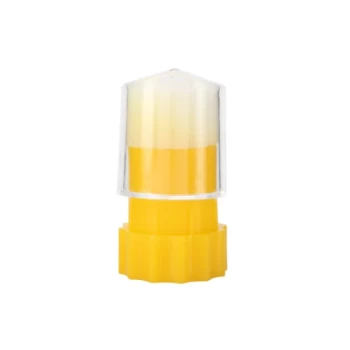
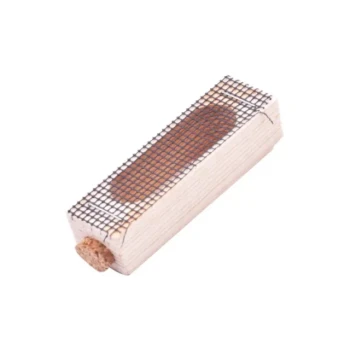
While experienced beekeepers may mark a queen directly on the frame or hold her between their thumb and index finger, this poses a risk of crushing her. For most beekeepers, utilizing a queen catcher or marking tube is safer.
The Push-In Cage Recommendation
A round push-in queen marking cage is highly recommended, especially for those learning the procedure. This tool presses lightly into the comb, restricting the queen's movement without squeezing her, allowing for a precise application.
Applying the Mark
Precise Placement
The paint must be applied exclusively to the top center of the thorax (the middle segment where the legs and wings attach). Do not get paint on the head (which affects sensory perception), the wings (which affects flight), or the abdomen (which houses respiratory spiracles).
Controlling Dot Size
Apply a single, quick dab. The dot should be approximately 2-3 millimeters across.
- Too much paint may run into the joints or spiracles, injuring or killing the queen.
- Too little paint will be difficult to spot during inspections.
Post-Marking Procedures
Allowing for Drying Time
You must allow the paint to dry completely before releasing the queen. If she is returned while the paint is wet, the attendant bees will immediately attempt to clean it off, rendering the mark useless.
When to Perform the Procedure
Timing is vital for hive acceptance.
- Establishment: Wait until a new queen has completed her mating flights and has successfully started laying eggs. Marking a virgin queen may interfere with her mating flights.
- Conditions: Perform this task during pleasant, comfortable weather when the colony is calm.
Common Pitfalls and Trade-offs
Restraint Methods: Hand vs. Tool
Holding a queen by hand requires significant dexterity. The trade-off is speed versus safety. Using your fingers is faster but carries a high risk of damaging the queen’s legs or abdomen. Using a push-in cage takes more time but significantly reduces the risk of physical injury.
Calculating Risk
Every time you handle the queen, there is a risk of rejection (balling) by the hive. Marking her before the colony has settled into a routine increases this risk. Ensure the colony is stable before attempting to mark her.
Making the Right Choice for Your Goal
When you are ready to mark your queen, prioritize your approach based on your experience and objectives:
- If your primary focus is maximum safety: Use a push-in marking cage to immobilize the queen on the comb; this eliminates the risk of crushing her manually.
- If your primary focus is long-term visibility: Ensure you prime the pen on a hard surface first to prevent a "washy" mark, and wait for the paint to fully dry so the bees don't remove it.
- If your primary focus is hive health: Use the time while the queen is secured to perform a mite count (sugar shake or alcohol wash) on a sample of worker bees, as the queen is safely separated from the sample.
Secure the queen gently, mark the thorax precisely, and let it dry—this ensures she remains safe and easy to find for seasons to come.
Summary Table:
| Step | Action Item | Key Requirement |
|---|---|---|
| 1. Tool Prep | Prime Paint Pen | Use non-toxic, water-based paint; test on a hard surface first. |
| 2. Restraint | Secure the Queen | Use a push-in cage or marking tube to prevent physical injury. |
| 3. Application | Mark the Thorax | Apply a 2-3mm dot to the center of the thorax only. |
| 4. Finishing | Drying Time | Allow paint to dry completely before releasing to avoid rejection. |
Scale Your Apiary with HONESTBEE Precision Tools
Proper queen management is the cornerstone of a productive colony. At HONESTBEE, we empower commercial apiaries and distributors with the high-quality equipment needed to maintain hive health and efficiency.
From specialized queen marking tools and cages to advanced honey-filling machines and hive-making hardware, our comprehensive wholesale portfolio is designed to support your growth. Whether you are stocking essential industry consumables or expanding your machinery, we provide the durability and expertise your business deserves.
Ready to elevate your beekeeping operations?
Contact HONESTBEE Today to discuss our wholesale offerings and how we can add value to your supply chain.
Related Products
- Queen Bee Marking Pen POSCA Queen Marking Pens for Beekeeping Bee Markers
- Plastic Long Marker Device for Catching and Marking Bees Queen Bee Marking Tube and Cage
- Queen Bee Marking Tube Cage Bottle Catcher Holder with Clear Plastic Plunger Marker
- One Hand Yellow Queen Marking Catcher Tube Cage Beekeeper Tool Accessory for Queen Bee
- Queen Bee Marking Pen UNI Medium Point for Queen and Bee Marking
People Also Ask
- What role do specialized marking pens and color-coding systems play in honeybee tracking? Enhance Research Precision
- Why are specialized marking pens used for stingless bee queens? Essential Tools for Large-Scale Breeding Success
- How should a new paint pen be primed before marking a queen bee? Essential Tips for Safe & Clear Markings
- How should a queen bee marking pen tip be properly primed? Master the Art of Safe Queen Marking
- What specifications are required for a high-quality queen bee marking pen? Ensure Safety and Precision for Your Colony