The crush and strain method is a manual, low-cost technique for harvesting honey without investing in mechanical extraction equipment.
It involves removing the honeycomb entirely from the frame, physically crushing the wax structure to release the honey, and filtering the mixture through a sieve or cloth to separate the liquid from the beeswax.
Core Takeaway: Ideally suited for hobbyists managing one or two hives, this method trades equipment costs for biological resources; while it saves money on machinery, it destroys the drawn comb, forcing the colony to rebuild its wax infrastructure for future production.
The Standard Bucket Technique
This approach is the most common variation for beekeepers processing full frames from a small apiary.
Step 1: Harvesting the Comb
Begin by scraping the honeycomb off the frame directly into a bucket. Unlike using an extractor, you are not trying to preserve the structure of the wax cells.
Step 2: Releasing the Honey
Once the comb is in the bucket, thoroughly crush it. You can use a dedicated tool or a simple masher to break open the capped cells and release the honey stored inside.
Step 3: Straining the Mixture
Pour the mixture of honey and crushed wax into a sieve or colander placed over a second, clean container. Gravity will pull the honey through the mesh while the wax remains behind.
Step 4: Time and Temperature
Allow the mixture to strain overnight. To ensure the maximum yield, perform this process in a warm room, as heat lowers the honey's viscosity and helps it flow faster.
Improving Efficiency
Stir the crushed combs occasionally during the straining process. As the honey drains, scrape large wax flakes away from the surface of the strainer to prevent clogging and allow trapped honey to flow through.
The Jar Method Variation
For micro-harvests or processing a single top-bar, a smaller-scale "jar method" can be used.
Preparation and Crushing
Cut the comb from the bar and place pieces into a mason jar. Use a spoon to crush the comb inside the jar, compacting it to make room for more pieces until the jar is full.
The Gravity Strain
Secure a piece of cheesecloth or screen over the opening of the full jar with a rubber band. Invert this jar over an empty one, allowing the honey to slowly drip through the cloth into the collection vessel below.
Understanding the Trade-offs
Before choosing this method, it is critical to understand what you are gaining and what you are sacrificing compared to using a centrifugal extractor.
The Financial Advantage
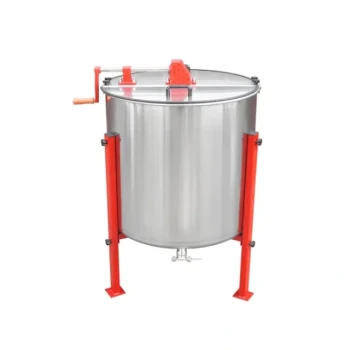
The primary benefit is cost. A centrifugal extractor is a significant investment designed to spin frames and fling honey out via centrifugal force. Crush and strain requires only basic kitchen tools, making it accessible for beginners.
The Biological Cost
The most significant downside is the destruction of the drawn comb. An extractor preserves the wax, allowing you to return the empty frames to the hive for immediate refilling.
Impact on Production
Because the crush and strain method destroys the comb, the bees must consume honey and energy to secrete new wax and rebuild the cells. This can delay future honey production compared to reusing drawn comb.
Making the Right Choice for Your Goal
- If your primary focus is low initial investment: Use the crush and strain method, as it requires no specialized machinery and uses simple household tools.
- If your primary focus is maximum honey yield: Invest in a centrifugal extractor, which preserves the wax comb and allows bees to focus on making honey rather than rebuilding wax.
Ultimately, this method is the most practical entry point for the small-scale hobbyist who prioritizes simplicity over volume.
Summary Table:
| Feature | Crush and Strain Method | Centrifugal Extractor |
|---|---|---|
| Equipment Cost | Very Low (Buckets/Sieves) | High (Mechanical Extractor) |
| Wax Condition | Destroyed (Needs Rebuilding) | Preserved (Reusable) |
| Best For | Hobbyists (1-2 Hives) | Commercial Apiaries/Distributors |
| Honey Yield | Moderate (Slower Process) | High (Efficient & Fast) |
| Labor Intensity | High (Manual Crushing) | Low (Mechanical Spinning) |
Scaling Your Apiary Efficiency with HONESTBEE
While the crush and strain method is perfect for beginners, growing beekeeping operations and commercial distributors require professional solutions to maximize yield and protect biological resources. HONESTBEE specializes in supporting the beekeeping industry with a comprehensive wholesale portfolio, including:
- High-Efficiency Machinery: Advanced honey extractors, hive-making machines, and honey-filling lines to streamline your production.
- Professional Hardware: A full spectrum of durable beekeeping tools and equipment designed for long-term use.
- Industry Consumables: Essential supplies to keep your colonies healthy and productive.
- Cultural Merchandise: Unique honey-themed products to diversify your brand's market appeal.
Whether you are a commercial apiary looking to upgrade your extraction process or a distributor seeking a reliable global supplier, HONESTBEE delivers the quality and scale you need.
Ready to take your honey production to the next level? Contact us today to explore our wholesale catalog!
Related Products
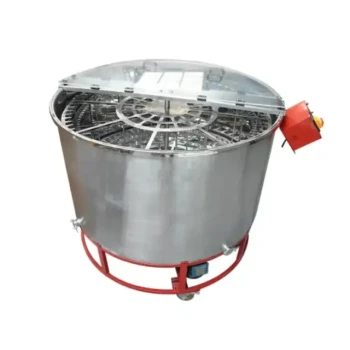
- HONESTBEE 72 Frame Industrial Electric Honey Extractor for Beekeeping
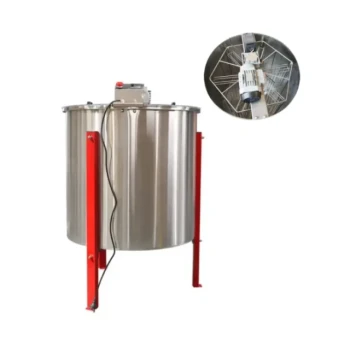
- Commercial Electric 12 Frame Honey Extractor Spinner Motorized Honey Extractor
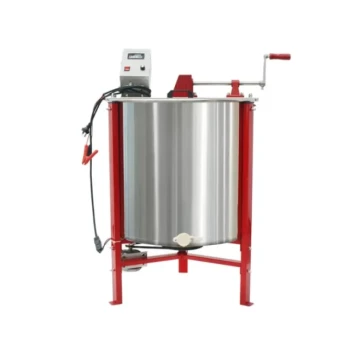
- HONESTBEE 6 Frame Self Reversing Electric Honey Extractor for Beekeeping
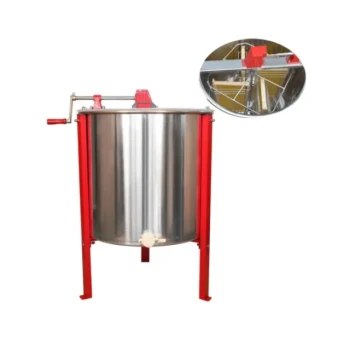
- HONESTBEE 3-Frame Manual Acrylic Honey Extractor
- Stainless Steel Manual 8 Frame Radial Honey Extractor Machine for Beehives
People Also Ask
- What is the importance of balancing honeycomb frames within a honey extractor? Ensure Stability and Protect Machinery
- How is honey separated from the frames after they are uncapped? Efficient Extraction Methods for High Yields
- What are the main benefits of using a honey extractor? Maximize Yields and Protect Your Honeycomb
- What are the recommended methods for removing honey from the honeycomb? Top Extraction Techniques for Maximum Efficiency
- How do manual honey extractors compare to electric honey extractors? Choosing the Right Tool for Your Apiary Growth