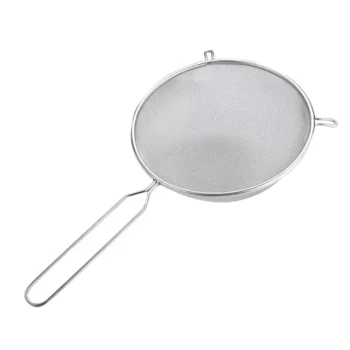
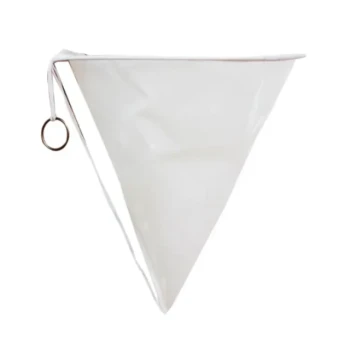
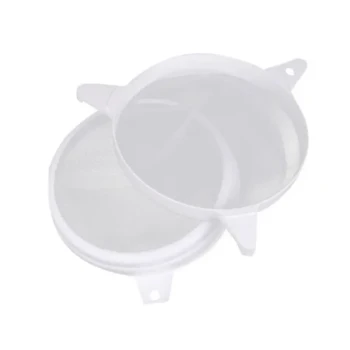
The primary function of honey filters is to mechanically separate unwanted solid particles from liquid honey. This physical purification process ensures that the final product is visually clear, free of contaminants, and aesthetically appealing to consumers.
Honey filtration serves as the critical quality control step that transforms raw hive harvest into a commercial-grade product by removing beeswax residue, organic debris, and impurities to meet strict food safety standards.
The Mechanics of Purification
Targeting Specific Impurities
Raw honey taken directly from the hive naturally contains various forms of debris. Filters are designed to target and remove specific solids, including wax cappings, bee parts, and forest contaminants. Without this step, these elements would remain suspended in the final jar, compromising the texture and appearance of the product.
The Role of Physical Barriers
Honey filters utilize high-precision, multi-layered mesh structures to trap these particles. By forcing the honey through these fine physical barriers, the equipment isolates solids while allowing the liquid sweetener to pass through unimpeded. This is often achieved using a bottling pail equipped with a gate, positioned directly below the extractor.
Multi-Stage Filtration
Effective processing often involves a dual-stage approach. A system typically employs a coarse filter first to catch large debris like wax chunks, followed immediately by a fine filter. This graduated process prevents the finer mesh from clogging too quickly while ensuring thorough purification.
Why Filtration is Critical for Quality
Enhancing Visual Clarity
The immediate benefit of filtration is sensory purity. Consumers generally prefer honey that is translucent and free of floating specks. By removing pollen clusters and bits of comb, filters significantly increase the product's market appeal and professionalism.
Meeting Safety Standards
Beyond aesthetics, filtration is a matter of hygiene. Removing organic debris is a necessary measure to comply with modern food processing safety regulations. It ensures the honey is considered a "clean" food product suitable for commercial distribution and safe for long-term storage.
Understanding the Trade-offs
Impact on "Raw" Definition
While the goal of filtration is to remove "unwanted" particles, it is important to note that this includes pollen. High-precision filtration creates a clear product, but stripping away all pollen can remove some of the honey's unique local character and potential health benefits associated with raw honey.
Processing Speed vs. Purity
Using extremely fine filters increases clarity but significantly slows down the bottling process. High-viscosity honey can struggle to pass through fine mesh, potentially leading to bottlenecks during processing if the honey is not sufficiently warm or if the filter surface area is too small.
Making the Right Choice for Your Goal
To select the right filtration approach, you must weigh the desire for visual perfection against the desire to maintain the honey's raw properties.
- If your primary focus is Commercial Market Appeal: Prioritize high-precision, multi-layer fine filters to ensure maximum clarity and compliance with strict food safety standards.
- If your primary focus is Minimal Processing: Utilize only a coarse filter to remove large wax and bee parts while retaining natural pollen content for a more "raw" product profile.
Ultimately, the correct use of honey filters ensures your harvest is not just edible, but professional, clean, and ready for the consumer.
Summary Table:
| Filtration Stage | Mesh Type | Primary Purpose | Key Particles Removed |
|---|---|---|---|
| Coarse Filtration | Large Mesh | Pre-cleaning | Wax cappings, bee parts, large debris |
| Fine Filtration | Small Mesh | Visual Polishing | Pollen clusters, tiny wax specks, fine silt |
| Multi-Stage | Dual/Triple Mesh | Efficiency | Prevents clogging while ensuring high purity |
Elevate Your Honey Production with HONESTBEE
At HONESTBEE, we specialize in empowering commercial apiaries and distributors with professional-grade honey processing solutions. From high-precision multi-stage filters and bottling pails to advanced honey-filling machines and specialized hive-making hardware, we supply the full spectrum of equipment needed to scale your operations.
Our comprehensive wholesale offering ensures your honey meets the highest market standards for clarity and safety while optimizing your processing speed. Whether you are stocking essential consumables or investing in industrial machinery, our team is dedicated to supporting your growth in the beekeeping industry.
Ready to refine your harvest? Contact us today to explore our wholesale equipment catalog and find the perfect tools for your business.
Related Products
- Professional Stainless Steel Honey Filtering Machine with Water Bath Heating for Beekeeping
- Professional Stainless Steel Honey Filter with Support Handle
- Professional Honey Filter with Tripod Support Stand
- Electric Double Wall Honey Filtering Machine Purifier Equipment for Honey Processing Plant
- Professional Cone-Shaped Honey Filter with Reinforced Steel Ring
People Also Ask
- Why is filtering honey an important step in honey processing? Ensure Purity, Clarity & Marketability
- Why do people filter honey? For Clarity, Stability, and Consumer Appeal
- What is the best way to filter honey? A Guide to Quality, Clarity, and Raw Preservation
- Is it necessary to filter honey after extraction? A Guide to Straining vs. Raw Honey
- What are the benefits of using honey filters? Achieve Purity, Efficiency, and Market Appeal