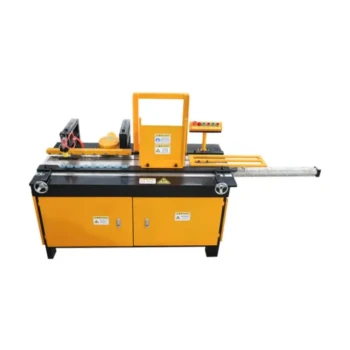
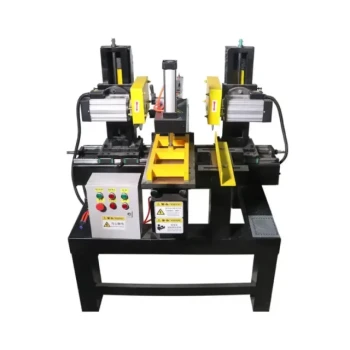
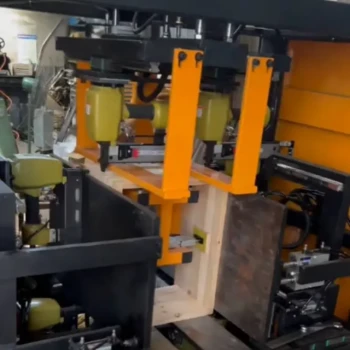
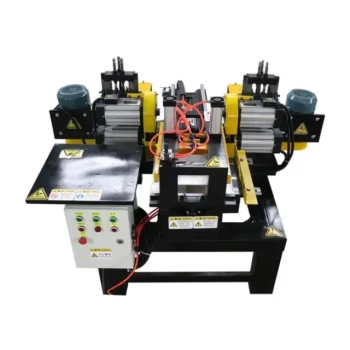
Industrial-scale hive-making machinery transforms hive procurement from a recurring expense into a strategic asset. By bringing hive manufacturing in-house, cooperatives can achieve complete self-sufficiency, significantly lowering the initial capital expenditure required for beekeepers to expand their apiaries. Furthermore, this capacity creates a secondary revenue stream, allowing the organization to sell high-quality, standardized hives to the broader agricultural market.
The core economic value lies in shifting from purchasing assets to manufacturing them, which simultaneously reduces fixed costs and unlocks unlimited scalability. Beyond immediate savings, this machinery ensures the precise standardization required for automated harvesting, international export compliance, and rapid infrastructure recovery.
The Financial Impact of Self-Sufficiency
Reducing Capital Expenditure (CAPEX)
For growing cooperatives, the cost of purchasing hives is a major barrier to entry. In-house manufacturing allows enterprises to produce hives at the cost of raw materials and labor, removing the manufacturer's markup. This reduction in upfront costs enables member beekeepers to expand their colony numbers more aggressively than if they relied on third-party suppliers.
Creating New Revenue Streams
The machinery does not sit idle once internal quotas are met. The enterprise can utilize excess capacity to manufacture hives as independent agricultural supplies. Selling these hives to external beekeepers turns the machinery into a profit center, diversifying the cooperative's income beyond honey sales alone.
Standardization as a Multiplier for Efficiency
Enabling Operational Scalability
As production units grow, managing unique or ill-fitting equipment becomes an operational nightmare. Industrial machinery guarantees technical consistency across thousands of units. This allows large-scale clusters to operate seamlessly, as components are identical regardless of when they were produced.
Reducing Maintenance Costs via Interchangeability
Precise manufacturing ensures that frames, boxes, and lids are fully interchangeable across different apiaries. This significantly reduces maintenance difficulties, as broken parts can be swapped instantly without custom fitting. This standardization lowers the manual labor hours required for hive management and repair.
Facilitating Automation
Modern honey extraction relies on automation. Standardized hives provide the necessary physical interfaces for automated honey harvesting and centrifugal extraction lines. Without the precision offered by industrial machinery, automated equipment frequently jams or fails, creating bottlenecks that negate the benefits of scale.
Strategic Resilience and Market Access
Ensuring Rapid Disaster Recovery
Natural disasters, such as hurricanes, can destroy vast numbers of colonies and wild nests instantly. Machinery enables rapid infrastructure recovery by mass-producing replacement housing. This capability stabilizes honey output and mitigates the market price volatility that typically follows supply shortages caused by environmental crises.
Meeting Export Requirements
International supply chains demand rigorous quality and traceability. Industrial manufacturing elevates the cooperative’s ability to integrate into the global export market. Uniform equipment supports standardized protocols, which are often a prerequisite for meeting the traceability requirements of major international buyers.
Enhancing Honey Quality and Bioactivity
The quality of high-value honey, such as Manuka, depends on controlling the floral source. Precisely machined, well-sealed hives assist beekeepers in precise forage management. This control prevents the mixing of non-target pollens, preserving the specific bioactive compounds and antioxidant benefits that command premium market prices.
Understanding the Trade-offs
Asset Utilization Requirements
While the unit cost of a hive drops, the fixed asset investment in the machinery itself is significant. To realize the economic value, the cooperative must have a production demand high enough to amortize the cost of the machine. Low-volume operations may find the overhead of maintaining industrial machinery outweighs the savings on hive purchases.
Skill Set Shift
Moving from beekeeping to manufacturing requires a shift in operational expertise. The organization must manage industrial maintenance and raw material supply chains for wood or composites. Failure to maintain the machinery can lead to production downtime, threatening the very resilience the system is designed to provide.
Making the Right Choice for Your Goal
To maximize the return on investment for hive-making machinery, align the technology with your specific strategic focus:
- If your primary focus is Rapid Expansion: Prioritize machinery that maximizes output speed to lower the barriers of entry for new beekeepers and colony growth.
- If your primary focus is Export and Automation: Prioritize machinery with high-precision tolerances to ensure seamless integration with automated extraction lines and international traceability standards.
- If your primary focus is Risk Management: Focus on the machinery's capacity for surge production to ensure you can rapidly rebuild inventory following environmental disasters.
True economic value is realized when machinery is treated not just as a tool for making boxes, but as the foundation for a scalable, automated, and resilient honey supply chain.
Summary Table:
| Economic Driver | Key Benefit | Impact on Enterprise |
|---|---|---|
| CAPEX Reduction | In-house manufacturing at cost | Removes retail markups; accelerates apiary expansion |
| Revenue Generation | Selling surplus inventory | Diversifies income by transforming equipment into a profit center |
| Standardization | Component interchangeability | Lowers maintenance costs and enables automated harvesting |
| Strategic Resilience | Rapid infrastructure recovery | Minimizes downtime after disasters and stabilizes honey output |
| Market Access | Precision & traceability | Meets international export standards for premium honey markets |
Scale Your Apiary Operations with HONESTBEE
At HONESTBEE, we empower commercial apiaries and global distributors to transition from hive procurement to strategic manufacturing. Our comprehensive range of industrial-scale hive-making machinery, honey-filling lines, and specialized beekeeping tools are designed to maximize your ROI and operational resilience.
How we add value to your business:
- Custom Wholesale Solutions: Full spectrum of machinery and consumables tailored for large-scale production.
- Precision Engineering: Ensure your hives meet the exact tolerances required for automated extraction and international export.
- Global Supply Expertise: From hardware to cultural merchandise, we provide the infrastructure needed to dominate the agricultural market.
Ready to transform your production capacity?
Contact HONESTBEE Today to consult with our experts on the ideal equipment for your expansion.
References
- Kamadie Sumanda Syafies, Zayadul Hasan. The potential of honey production as business development alternative for village owned enterprises and MSMEs. DOI: 10.22219/jcse.v4i2.25911
This article is also based on technical information from HonestBee Knowledge Base .
Related Products
- High-Efficiency Pneumatic Bee Hive Making Machine for Rapid Box Assembly
- Beehive Handle and Frame Rest Cutting Machine: Your Specialized Hive Machine
- Beehive Machine Double End Saw for Precision Hive Component Manufacturing
- Automatic High-Speed Bee Hive Box Stapling Machine
- Mini Desktop Bee Hive Frame Forming Making Machine
People Also Ask
- How does the introduction of professional beehive-making machinery benefit sustainable beekeeping? Scale Your Apiary
- Why is specialized beehive-making machinery critical for low-defense breeding? Enhance Selection with Precision Tools
- How does the introduction of specialized beehive making machinery contribute to increasing the scale of regional beekeeping industries?
- What is the importance of specialized beehive making machinery in a circular bio-economy? Build Local Sustainability
- Why is specialized beehive-making machinery essential? Scale Your Apiary with Precision Industrial Standards