The flash point of beeswax is approximately 400°F (204°C). This is the critical temperature threshold where the wax produces enough vapor to ignite and burst into flames. While beeswax is a stable material under normal conditions, reaching this temperature creates an immediate fire hazard.
Core Insight:
While the flash point represents the limit for combustion, the practical limit for working with beeswax is much lower. To preserve the material's quality and aesthetic properties, you should generally avoid heating it beyond 185°F, staying well below the 400°F danger zone.
Understanding the Temperature Spectrum
To work with beeswax safely and effectively, you must understand the three distinct temperature stages of the material.
The Melting Phase
Beeswax transitions from solid to liquid within a range of 143°F to 151°F.
For most applications, such as candlemaking or waterproofing, you only need to reach this temperature to make the wax fluid and workable.
The Discoloration Threshold
A common misconception is that beeswax is safe as long as it does not catch fire. However, thermal damage begins long before combustion.
At approximately 185°F (85°C), beeswax will begin to discolor. If maintained at this temperature or higher, the wax loses its natural hue and aesthetic appeal, even though it is not yet a fire risk.
The Flash Point (Combustion)
At 400°F, the wax reaches its flash point.
At this stage, the material is no longer just hot; it is volatile. The vapors released can ignite instantly if exposed to a spark or open flame, resulting in a wax fire that is difficult to extinguish.
Managing Heat for Safety and Quality
Precision Heating
Because beeswax is an organic material valued for its stability, processing it requires precise control.
In modern industrial contexts, high-precision heating and stirring equipment are used to maintain fluidity without exceeding thermal limits.
Monitoring Tools
Reliance on visual cues is dangerous because liquid wax at 150°F looks identical to liquid wax at 350°F.
You must use a thermometer to actively monitor the temperature throughout the melting process. This ensures you stay within the optimal working range and avoid the "silent creep" toward the flash point.
Common Pitfalls and Trade-offs
Speed vs. Integrity
The most common mistake when working with beeswax is applying high heat to melt the block faster.
While high heat reduces melting time, it creates "hot spots" that can locally exceed 185°F, causing immediate discoloration.
Direct Heat Risks
Applying direct flame or placing a pot directly on a burner drastically increases the risk of hitting the 400°F flash point unexpectedly.
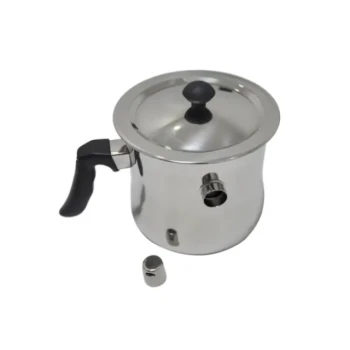
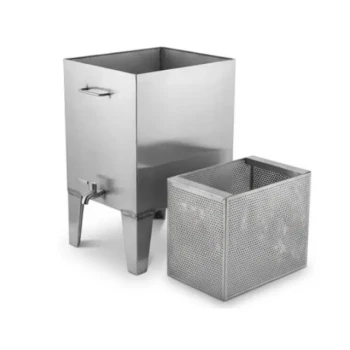
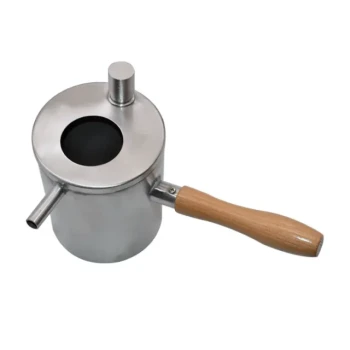
The trade-off for safety is the requirement for indirect heating methods, such as a double boiler or jacketed melting tank. This limits the maximum temperature the wax can reach, acting as a physical fail-safe against combustion.
Making the Right Choice for Your Goal
When processing beeswax, your target temperature depends on your specific objective:
- If your primary focus is basic melting (candles/crafts): Aim for a target temperature between 145°F and 155°F to achieve fluidity without risking the integrity of the wax.
- If your primary focus is preserving visual quality: strictly ensure the wax never exceeds 185°F, as this is the point of no return for discoloration.
- If your primary focus is safety protocols: Treat 400°F as the absolute failure point and ensure fire suppression equipment is available whenever large quantities of wax are heated.
Respect the flash point as the ultimate limit, but treat the discoloration point as your operational ceiling.
Summary Table:
| Temperature Stage | Range (°F) | Range (°C) | Effect on Beeswax |
|---|---|---|---|
| Melting Phase | 143°F - 151°F | 62°C - 66°C | Transitions from solid to liquid; ideal for working. |
| Discoloration Point | 185°F | 85°C | Natural hue begins to degrade; aesthetic quality lost. |
| Flash Point | 400°F | 204°C | Critical danger zone; vapors become volatile and flammable. |
Scale Your Beeswax Production with HONESTBEE
At HONESTBEE, we empower commercial apiaries and beekeeping distributors with the professional-grade machinery needed to handle wax safely and efficiently. From high-precision melting and stirring equipment to advanced honey-filling machines, our comprehensive wholesale portfolio is designed to optimize your workflow.
Whether you need specialized hardware or essential industry consumables, our experts provide the tools that protect your product's integrity and your facility's safety.
Ready to upgrade your apiary’s capabilities? Contact us today to explore our full spectrum of beekeeping solutions!
Related Products
- Beeswax Machine Press Embosser Wax Foundation Mold Printer Bee Hive Equipment Making Sheet
- Beeswax Foundation Sheets Beehive Foundation for Wholesale
- Colorful Silicone Beeswax Foundation Mold Mould for Beekeeping
- Economy Manual Beeswax Embossing Mill Wax Foundation Machine Roller
- Electric Beeswax Flat Sheet Machine with Operating Tray for Wax Processing
People Also Ask
- What equipment is needed to make beeswax foundation? A Guide to DIY Wax Sheet Production
- What miscellaneous equipment is needed for making foundation? A Guide to the Essential Tools
- What miscellaneous equipment is useful when making beeswax foundation? Essential Support Tools for Beekeepers
- What specific equipment is required for making beeswax foundation? Essential Tools for High-Quality Production
- What is the recommended temperature for melting beeswax to make foundation sheets? Master the 70°C-80°C Ideal Range