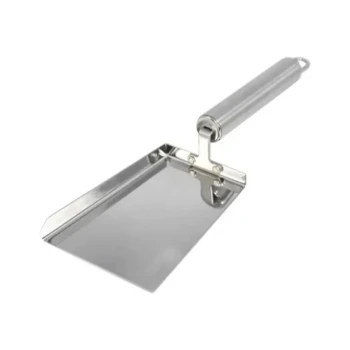
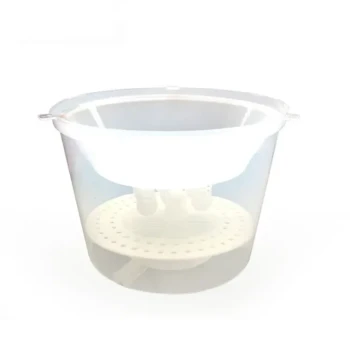
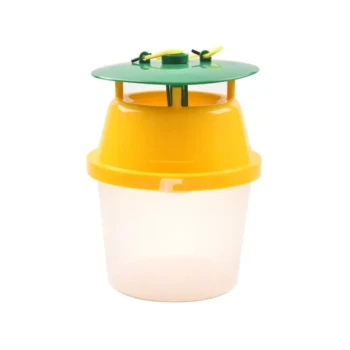
The function of a beehive pollen trap is to provide a mechanical method for large-scale, automated collection of raw bee pollen by intercepting returning worker bees at the hive entrance. By utilizing a specialized grid that gently brushes pollen pellets off the bees’ hind legs into a collection tray, these devices ensure the initial purity of the material while maximizing harvest efficiency for commercial processing.
A pollen trap acts as a critical gateway that automates the transition from floral resource to raw commercial material. It enables apiaries to produce high volumes of clean, botanically distinct bee pollen essential for global distribution and high-end manufacturing.
Streamlining Raw Material Production
Automated Mechanical Harvesting
A pollen trap functions as a mechanical barrier installed at the entrance of a beehive. As foraging bees attempt to re-enter, they pass through a grid with specific pore sizes that physically dislodges the pollen pellets from their legs.
This process enables the non-destructive collection of biological samples without manual intervention. For wholesalers, this automation is the foundation of a reliable, high-volume supply chain that can meet tight delivery schedules.
Preserving Botanical Integrity
By intercepting the pollen before it enters the interior of the hive, the trap prevents the material from being mixed with hive debris, propolis, or wax. This ensures that the raw botanical source attributes remain intact and uncontaminated.
Maintaining this level of purity is vital for distributors who require standardized samples for chemical composition analysis. High-purity collection supports the identification of plant species and ensures a premium product for the end consumer.
Scaling Operations for Global Supply
Efficiency in Commercial Apiaries
The use of pollen traps allows for the standardized collection of bee pollen across thousands of hives simultaneously. This scalability is what allows a trading partner to offer a comprehensive product portfolio with consistent stock levels.
Professional apiaries leverage these devices to facilitate daily bulk collection. This rapid turnover ensures that raw materials move quickly from the hive to the processing facility, supporting ultra-fast delivery cycles.
Facilitating Laboratory Identification
Pollen traps provide the essential raw material needed for laboratory-grade identification of floral resources. By capturing pollen over specific time periods, producers can assess landscape floral abundance and quality.
For B2B resellers, this data serves as a badge of quality. It provides the technical proof of origin and nutritional density that high-end clients demand in a competitive market.
Understanding the Trade-offs
Balancing Colony Health and Yield
While pollen traps are highly efficient, they must be managed with professional expertise to avoid starving the honeybee colony of its primary protein source. Over-trapping can lead to reduced brood rearing and weakened hive populations.
Strategic apiary management involves activating traps only during peak bloom periods. This ensures a sustainable supply chain that protects the biological assets—the bees—while maximizing the commercial harvest.
Maintenance and Moisture Control
Pollen is highly hygroscopic, meaning it absorbs moisture rapidly from the air. If collection trays are not emptied daily, the raw material can become susceptible to mold or fermentation.
A dedicated service infrastructure is required to monitor these traps frequently. This commitment to operational excellence is what separates a premium supplier from a standard aggregator.
Making the Right Choice for Your Goal
Strategic Recommendations for Sourcing
- If your primary focus is Purity and Compliance: Prioritize suppliers who utilize standardized mechanical traps to ensure materials are intercepted before hive entry, minimizing contamination.
- If your primary focus is Volume and Scale: Seek partners with large-scale apiary networks that utilize automated trapping systems to guarantee a consistent, year-round supply.
- If your primary focus is Specialized Botanical Origins: Work with experts who use trapping data for precise floral identification, allowing you to market specific monofloral varieties.
By integrating advanced collection hardware with expert apiary management, you ensure a high-quality, reliable flow of raw materials for any commercial application.
Summary Table:
| Key Function | Mechanism | Commercial Value |
|---|---|---|
| Automated Harvesting | Mechanical grid dislodges pellets | Enables high-volume, labor-efficient supply |
| Purity Preservation | Intercepts pollen before hive entry | Minimizes debris for premium product grading |
| Botanical Integrity | Captures clean biological samples | Supports precise floral and chemical analysis |
| Scalability | Standardized collection across hives | Ensures consistent stock for global distribution |
Scale Your Supply Chain with HONESTBEE’s Professional Solutions
At HONESTBEE, we specialize in empowering commercial apiaries and B2B distributors with a one-stop sourcing experience. Whether you need advanced pollen traps to ensure raw material purity or industrial-grade honey-filling machines, our comprehensive portfolio of beekeeping tools and machinery is designed for high-performance operations.
Why partner with HONESTBEE?
- Comprehensive Wholesale Offering: Access a full spectrum of equipment, hardware, and essential consumables.
- Rapid Fulfillment: Benefit from ultra-fast delivery and efficient order processing to maintain your competitive edge.
- Industry Expertise: Leverage our deep professional knowledge and OEM/ODM support to tailor products to your market.
- Dedicated Service: Experience exceptional customer support and rapid response times tailored to the needs of resellers.
Ready to enhance your profit margins and secure a reliable equipment partner? Contact HONESTBEE Today to explore our wholesale catalogs and specialized hardware solutions.
References
- Abderrazak Aboulghazi, Badiaâ Lyoussi. Phenolic Screening and Mixture Design Optimization for <i>In Vitro</i> Assessment of Antioxidant and Antimicrobial Activities of Honey, Propolis, and Bee Pollen. DOI: 10.1155/2024/8246224
This article is also based on technical information from HonestBee Knowledge Base .
Related Products
- Removable Plastic Pollen Trap With Ventilated Tray for Bees Pollen Collector
- 30 cm Plastic Entrance Hole Bee Pollen Trap and Collector
- Plastic Bee Pollen Trap Strips Comb Catcher Collector
- Black Plastic Beetle Barn Hive Beetle Trap for Beehives
- Reusable Clear Small Hive Beetle Traps for Beehives Beetle Trapping Tools
People Also Ask
- What are the design principles and advantages of pollen traps in the collection of bee pollen? Boost Your Apiary Yield
- What is the function of professional pollen traps in evaluating honey plants? Quantifying Pollination and Crop Potential
- What functions do pollen traps serve for bee bread production? Optimize Your Raw Material Collection
- What maintenance and pest prevention measures should be taken for pollen traps? Protect Your Hive and Harvest Quality
- How does the use of pollen traps in honeybee hives enhance crop fertilization? Boost Your Yield Through Induced Activity