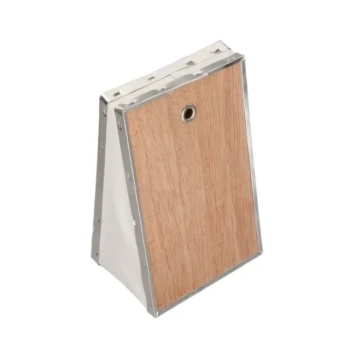
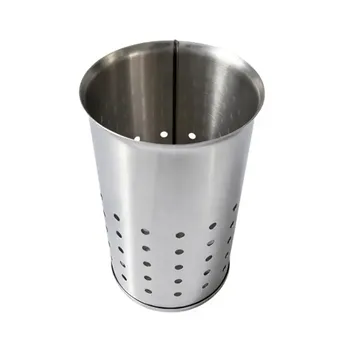
The function of a Beekeeping Smoker is to generate controlled smoke that subdues and disperses bees, creating a safe environment for inspection and honey harvesting. By utilizing fuels such as corn cobs or dried animal dung, the smoker provides a physical intervention that significantly reduces bee aggression. However, because honey is hygroscopic (it absorbs moisture and odors from the air), the application of smoke must be carefully standardized to prevent permanently altering the honey's natural aroma and color.
The smoker acts as a physiological disruptor, masking alarm signals and triggering a feeding response that calms the colony. The critical challenge for the beekeeper is using enough smoke to ensure safety while strictly limiting exposure to avoid contaminating the porous structure of the honey.
The Physiological Mechanism of Control
The smoker does not simply "scare" bees away; it manipulates their biological responses to environmental threats. Understanding this mechanism is key to using the tool effectively without harming the hive.
Masking Alarm Pheromones
When a hive is disturbed, guard bees release alarm pheromones to signal the rest of the colony to attack.
The smoke physically interrupts this chemical communication. By masking these scent signals, the smoker prevents the colony from organizing a defensive mass response, keeping the bees in a calm, non-aggressive state.
Triggering Survival Instincts
The presence of smoke mimics a natural fire event, triggering an ancient survival instinct.
Bees react to this "fire warning" by gorging themselves on honey in preparation to potentially flee the hive. Engorged bees are physically less capable of stinging and are more focused on consumption than defense, making the hive easier to manage.
Thermal Safety and "Cool Smoke"
A professional smoker is designed to produce cool smoke, not heat.
Unlike primitive methods involving open flames or burning straw, which can cause thermal injury to bees and damage the comb, a smoker ensures the vapor is cool enough to touch. This prevents bee mortality and protects the wax structures within the hive.
The Role of Fuel Selection
The choice of fuel is not arbitrary; it dictates the temperature, duration, and quality of the smoke produced.
Utilizing Organic Fuels
The primary reference highlights corn cobs and dried animal dung as specific, effective fuel sources.
These materials are dense enough to smolder slowly rather than burn quickly. This slow combustion is essential for maintaining a steady stream of smoke without generating excessive heat that could agitate the bees further.
Colony Retention
Proper fuel use prevents colony loss.
Using a smoker preserves the colony's stability, achieving a retention rate of approximately 96.9 percent. In contrast, primitive methods that stress the bees can lead to a 100 percent absconding rate, where the entire colony abandons the hive.
Understanding the Trade-offs: Quality Risks
While the smoker is vital for safety, it poses a direct threat to the quality of the harvest if misused. This is the most critical technical consideration for a professional beekeeper.
The Hygroscopic Nature of Honey
Honey is hygroscopic, meaning it actively attracts and holds water molecules and odors from the surrounding environment.
Because of this chemical property, honey acts like a sponge for smoke particles. If the honey frames are exposed to heavy smoke for too long, the honey will irreversibly absorb the smoky odor.
Impact on Aroma and Color
Over-smoking does not just affect taste; it degrades the visual and sensory profile of the product.
Excessive smoke exposure can darken the natural color of the honey and mask its floral notes. To maintain a premium product, the operation of the smoker must be standardized—using the minimum amount of smoke necessary to subdue the bees.
Making the Right Choice for Your Goal
Balancing the safety of the operator with the quality of the product requires a disciplined approach to smoker usage.
- If your primary focus is Operator Safety and Colony Retention: Prioritize generating a consistent, cool smoke screen to effectively mask pheromones, which prevents stings and ensures the colony does not abscond due to stress.
- If your primary focus is Honey Quality: Use fuels like corn cobs that burn cleanly and apply smoke only at the hive entrance or strictly when necessary, minimizing direct contact with open honey frames to prevent odor absorption.
Effective beekeeping requires viewing the smoker not just as a safety device, but as a precision instrument that protects the bees without compromising the harvest.
Summary Table:
| Feature | Mechanism/Impact | Benefit to Beekeeper |
|---|---|---|
| Pheromone Masking | Blocks alarm signals | Prevents mass defensive attacks |
| Feeding Response | Triggers honey consumption | Subdues bees, making them less likely to sting |
| Fuel Type | Corn cobs / Dried animal dung | Provides long-lasting, cool smoke to prevent injury |
| Colony Retention | Reduces stress levels | Achieves up to 96.9% colony retention rate |
| Quality Control | Limits smoke exposure | Protects honey from odor and color contamination |
Elevate Your Apiary with HONESTBEE Professional Equipment
At HONESTBEE, we understand that precision tools are the backbone of a successful commercial operation. Whether you are a large-scale commercial apiary or a global distributor, we provide the specialized hardware and consumables you need to thrive. From high-efficiency beekeeping smokers and hive-making machinery to advanced honey-filling systems and cultural merchandise, our comprehensive wholesale portfolio is designed to enhance your productivity and preserve the premium quality of your harvest.
Ready to scale your beekeeping business? Contact us today to explore our full spectrum of professional tools and tailored equipment solutions.
References
- Sileshi Yeserah, Desalegn Begna. Physiochochemical Properties of Honey Produced in Gozamen District, East Gojjam Zone, Amhara Region. DOI: 10.7176/fsqm/94-06
This article is also based on technical information from HonestBee Knowledge Base .
Related Products
- Stainless Steel Honey Bee Smoker Hive and Honeycomb Smoker for Beekeeping
- Miniature Stainless Steel Bee Smoker for Beekeeping
- Professional Bee Smoker with Elongated Spout and Durable Bellows for Beekeeping
- Electric Bee Smoker European Style Bee Hive Smoker for Beekeeping
- Galvanized Beekeeping Smoker for Honey Bee and Apiculture
People Also Ask
- What are bee smokers made out of? Choose the Right Material for Your Apiary
- What type of bee smoker is recommended for a beginner? Top Picks for Easy Hive Management
- Why is a stainless steel bee smoker considered indispensable? Master Hive Management with Cool Smoke Technology
- Why is a specialized bee smoker considered a critical tool for apiary safety? Master Hive Control & Productivity
- When should you add more fuel to the bee smoker? Watch for This Critical Smoke Signal