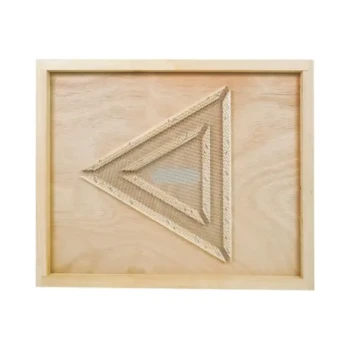
A modified hive bottom board functions as a precise physical separation device designed to isolate parasitic mites from the honey bee colony during experiments. By utilizing a fine-mesh screen with specific grid spacing, the board allows dislodged mites to pass through to a collection area while strictly preventing worker bees from accessing the fallen parasites.
Core Takeaway In the context of grooming behavior assessment, this device ensures data integrity by preventing "secondary damage." It guarantees that any injury observed on a collected mite is the result of the initial grooming event by the bee, rather than damage inflicted by bees interacting with the mite after it has fallen to the hive floor.
The Mechanics of Isolation
Precise Mesh Sizing
The fundamental mechanism of the modified board is the grid spacing of the fine-mesh screen. The mesh is calibrated specifically to be large enough for Varroa mites to fall through unimpeded. However, it is small enough to act as an impassable barrier for honey bees, keeping them above the screen.
Interception and Collection
The device acts as a trap that intercepts mites immediately after they are dislodged from a bee’s body. Instead of remaining on the hive floor where they could interact with the colony, the mites are directed through the mesh into a secure collection tray below.
Preserving Scientific Integrity
Eliminating Secondary Damage
The primary reference highlights that the most critical function of this screen is distinguishing between original impact and secondary interaction. Without this barrier, worker bees could access fallen mites on the bottom board, chewing or damaging them further. This would corrupt the data, making it impossible to determine if the damage occurred during the actual grooming behavior or afterward.
Preventing Re-attachment
Beyond damage assessment, the screen prevents live mites from climbing back into the colony or brood cells. By physically separating the parasite from the host, the device ensures that mites cannot re-attach to bees. This is essential for maintaining accurate daily counts of "natural mite fall."
Quantifying Parasitic Resistance
By securing the fallen mites, researchers can accurately quantify a colony's parasitic resistance. The device allows for a definitive count of the total number of mites removed via grooming, providing a clear metric for the colony's hygienic behavior without the variable of mites escaping back into the hive.
Understanding the Risks of Data Contamination
The Consequence of Bee Access
If a standard bottom board were used without a fine-mesh screen, the integrity of the sample would be compromised. Bees naturally clean the hive floor; if they access the mites, they may remove them entirely or inflict post-fall damage, rendering the sample useless for specific grooming analysis.
Accuracy of Drop Counts
Reliable data depends on a "one-way" trip for the parasite. If the mesh allows mites to crawl back up, or if bees can carry them back up, the daily drop counts will be artificially low. This leads to an underestimation of the colony's grooming efficiency and infestation levels.
Making the Right Choice for Your Goal
To ensure your grooming behavior assessment yields valid scientific data, consider the following applications of the modified bottom board:
- If your primary focus is damage analysis: Use the screen to ensure all injuries observed on mites are attributed solely to the bees' grooming actions, not scavenging behavior.
- If your primary focus is infestation monitoring: Rely on the screen to prevent mite re-attachment, ensuring that your daily drop counts accurately reflect the number of dislodged parasites.
Ultimately, the modified hive bottom board is not just a collection tool, but a control measure that strictly separates the grooming event from environmental variables.
Summary Table:
| Feature | Function in Grooming Experiments |
|---|---|
| Fine-Mesh Screen | Acts as a one-way barrier; allows mites to fall through while blocking bee access. |
| Physical Isolation | Prevents "secondary damage" by ensuring bees cannot chew or interact with fallen mites. |
| Re-attachment Prevention | Stops live mites from climbing back into the colony, ensuring accurate daily drop counts. |
| Data Integrity | Distinguishes original grooming impact from post-fall environmental damage. |
Elevate Your Beekeeping Operations with HONESTBEE
Are you looking to enhance your apiary's efficiency or expand your distribution catalog? HONESTBEE specializes in supporting commercial apiaries and distributors with a comprehensive range of professional-grade beekeeping solutions.
Our extensive portfolio includes:
- Advanced Machinery: Precision hive-making and honey-filling machines.
- Essential Hardware: Professional beekeeping tools, specialized bottom boards, and durable equipment.
- Industry Consumables: A wide array of essentials to keep your colonies thriving.
- Cultural Merchandise: Unique honey-themed products to diversify your brand.
Whether you are conducting precise scientific assessments or scaling up honey production, we provide the tools and machinery you need to succeed.
Contact us today to explore our wholesale offerings and customized solutions!
References
- Beatrice T. Nganso, Baldwyn Torto. Hygienic and grooming behaviors in African and European honeybees—New damage categories in Varroa destructor. DOI: 10.1371/journal.pone.0179329
This article is also based on technical information from HonestBee Knowledge Base .
Related Products
- Australian Pine Wood Langstroth Screen Bottom Board for Wholesale
- Langstroth Screen Bottom Board for Beekeeping Wholesale
- Langstroth Solid Bottom Board for Beekeeping
- Solid Bottom Board Australian Pine Wood Langstroth Bottom Board for Wholesale
- HONESTBEE Wooden Bee Escape Board with Triangle Mesh Design for Beekeeping
People Also Ask
- How are screen bottom boards and sticky boards utilized to detect Varroa mites? Master Passive Apiary Monitoring
- What is the primary function of a screen bottom board? Achieve Accurate Varroa Mite Assessment in Your Apiary
- Why is the combination of a screen bottom board and a sticky trap board essential for monitoring Varroa mite? Guide
- What is the primary function of a standard screen bottom board when assessing honeybee grooming behavior? - Key Mite Data
- What role do screen bottom boards and monitoring inserts play in assessing Varroa mite mortality and maintaining hive hygiene in Langstroth hives?