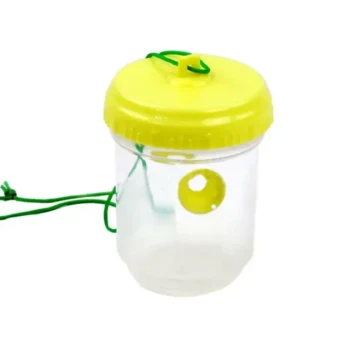
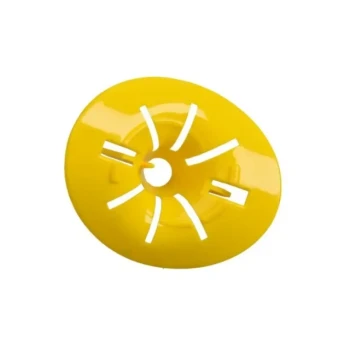
A pollen trap functions as a distinct biological sampling interface installed directly at the entrance of a beehive. Its primary mechanical role is to force returning foraging bees to pass through a specific mesh barrier, which physically dislodges the pollen pellets attached to their legs before they can enter the hive. In the context of landscape analysis, this device allows you to harvest representative samples of the local flora without manually surveying the vegetation yourself.
Core Insight: The pollen trap effectively converts a beehive into a bio-monitoring station. By analyzing the types and proportions of the trapped pollen, you can identify exactly which plant species are supporting the colony and assess the availability of essential protein resources in the surrounding environment.
The Mechanism of Data Collection
The Hardware Interface
The device is strictly hardware-based and is mounted at the hive entrance. It relies on a mesh or grid system sized precisely to allow a bee to pass through but too narrow to accommodate the pollen loads on their hind legs.
Sample Extraction
As foragers return from the field, the mesh acts as a sieve. It scrapes or pulls the pollen pellets off the bees, causing the pellets to fall into a collection drawer below. This ensures the material is harvested before it is stored or consumed inside the colony.
Interpreting Landscape Resources
Identifying Plant Species
The collected pollen provides a direct physical record of the hive's foraging range. By examining the color, texture, and microscopic structure of the samples, analysts can identify the specific plant species present in the landscape.
Analyzing Resource Proportions
Beyond simple identification, the trap reveals the relative abundance of these resources. The proportions of different pollen types in the trap indicate which plants are the dominant food sources at any given time.
Assessing Nutritional Value
Pollen is the primary source of protein for honeybees, which is critical for their survival and brood rearing. Analyzing the trapped loads helps determine if the current landscape is providing adequate nutritional quality to sustain the colony.
Understanding the Trade-offs
Nutritional Stress on the Colony
While valuable for analysis, the trap actively removes food from the hive. Leaving a trap on for extended periods can induce protein deficiency, starving the brood and weakening the colony’s ability to grow.
Entrance Congestion
The mesh restricts the flow of traffic at the hive entrance. This can cause congestion and physical stress for the bees, potentially reducing their overall foraging efficiency during peak nectar flows.
Making the Right Choice for Your Goal
To use a pollen trap effectively, align your usage with your specific objectives:
- If your primary focus is Landscape Analysis: Deploy the trap intermittently (e.g., for 24 hours every week) to gather data on floral diversity without compromising colony health.
- If your primary focus is Commercial Production: Harvest pollen systematically to create additional revenue streams (pharmaceutical or cosmetic markets), but ensure the colony retains enough protein for its own survival.
Ultimately, the pollen trap is a powerful diagnostic tool that translates bee foraging activity into actionable data about your local environment.
Summary Table:
| Feature | Function & Impact |
|---|---|
| Core Mechanism | Mesh grid dislodges pollen pellets from returning foragers' legs. |
| Data Application | Identifies local plant species and their relative abundance in the landscape. |
| Nutritional Analysis | Evaluates protein availability and resource quality for colony growth. |
| Hardware Type | Entrance-mounted device with a protective collection drawer. |
| Usage Strategy | Intermittent deployment (e.g., 24h/week) to balance data and colony health. |
Elevate Your Beekeeping Operation with HONESTBEE
Maximize the potential of your commercial apiary with premium equipment designed for efficiency and insight. At HONESTBEE, we specialize in serving commercial apiaries and distributors by providing a comprehensive range of wholesale beekeeping tools, specialized machinery, and essential consumables.
Whether you need precision pollen traps for landscape analysis, high-capacity honey-filling machines, or durable hive-making hardware, our portfolio is built to support your growth. Our expertise extends beyond tools to include unique honey-themed cultural merchandise to help you stand out in the market.
Ready to scale your production and optimize your hive management? Contact us today to explore our wholesale solutions!
References
- Adam G. Dolezal, Matthew E. O’Neal. Native habitat mitigates feast–famine conditions faced by honey bees in an agricultural landscape. DOI: 10.1073/pnas.1912801116
This article is also based on technical information from HonestBee Knowledge Base .
Related Products
- Removable Plastic Pollen Trap With Ventilated Tray for Bees Pollen Collector
- 30 cm Plastic Entrance Hole Bee Pollen Trap and Collector
- Plastic Bee Pollen Trap Strips Comb Catcher Collector
- High-Efficiency Diamond Maze Bee Escape for Clearing Supers
- Professional Bucket Style Wasp and Moth Pheromone Trap
People Also Ask
- What are the design principles and advantages of pollen traps in the collection of bee pollen? Boost Your Apiary Yield
- What is the function of professional pollen traps in evaluating honey plants? Quantifying Pollination and Crop Potential
- What functions do pollen traps serve for bee bread production? Optimize Your Raw Material Collection
- What maintenance and pest prevention measures should be taken for pollen traps? Protect Your Hive and Harvest Quality
- How does the use of pollen traps in honeybee hives enhance crop fertilization? Boost Your Yield Through Induced Activity