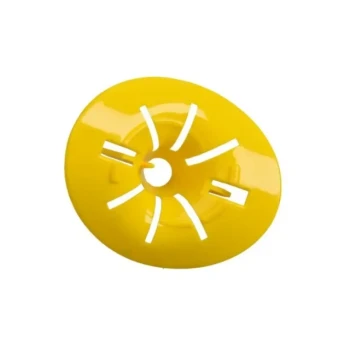
A pollen trap functions as a specialized filtration interface installed at the entrance of a beehive to physically intercept pollen pellets from returning foragers. By forcing bees to pass through a precisely calibrated grid, the device strips pollen loads from their legs, enabling the acquisition of large-scale environmental samples required for detecting environmental RNA (eRNA) and viral signatures without harming the bees.
The pollen trap effectively converts a beehive into a non-destructive biological sensor. It allows researchers to harvest genetic material from the environment for pathogen monitoring while completely bypassing the need to sacrifice or dissect the insect workforce.
The Mechanics of Sample Collection
The Physical Interface
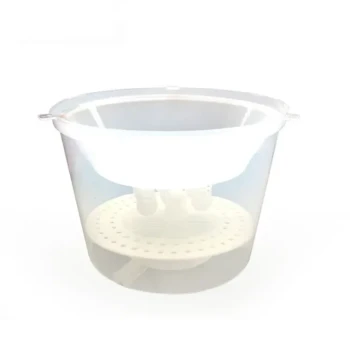
The core component of the pollen trap is a mechanical grid equipped with specific apertures. This hardware is mounted directly at the hive entrance, creating a bottleneck that all returning foragers must navigate.
Passive Interception
As worker bees attempt to enter the colony, the grid utilizes its geometry to physically strip pollen loads from the bees' legs. This process separates the environmental sample from the carrier before the pollen is stored or processed inside the hive.
Consumable Data Sources
The pollen pellets collected in the trap serve as raw data packets. In the context of eRNA, these pellets are not just food sources but biological snapshots containing traces of viruses, plant DNA, and other environmental markers the bee has encountered.
The Strategic Value for eRNA Detection
Non-Invasive Surveillance
The most critical function of the pollen trap in eRNA studies is the preservation of colony health. Traditional methods often require capturing and dissecting individual bees to locate viral RNA.
High-Volume Sampling
Pollen traps allow for large-scale acquisition of material. Rather than analyzing a single bee's limited exposure, the trap aggregates data from thousands of foraging trips, providing a comprehensive picture of the viral landscape.
Continuous Monitoring
Because the device functions mechanically and autonomously, it turns the colony into a "living environmental monitor." This enables researchers to track shifts in viral load or environmental pollutants over time without disrupting the colony's daily operations.
Understanding the Trade-offs
Resource Depletion
While the trap is non-lethal to individual bees, it introduces a nutritional cost to the colony. By intercepting pollen, the trap removes a portion of the protein source essential for rearing brood.
Deployment Duration
To balance data collection with hive health, traps should typically be used as temporary monitoring tools rather than permanent fixtures. Prolonged use without supplemental feeding can stress the colony and inhibit population growth.
How to Apply This to Your Project
If you are designing a monitoring protocol for environmental RNA or bee health, consider the following regarding pollen traps:
- If your primary focus is Longitudinal Monitoring: Use pollen traps to gather time-series data on viral presence without reducing the colony population through dissection.
- If your primary focus is Colony Sustainability: Implement a rotation schedule for the traps to ensure the hive retains enough pollen for its own nutritional requirements.
- If your primary focus is Broad-Spectrum Screening: Utilize the aggregated pollen samples to detect low-prevalence pathogens that might be missed when sampling individual bees.
By leveraging the mechanical filtration of a pollen trap, you secure high-fidelity environmental data while maintaining the biological integrity of your sampling network.
Summary Table:
| Feature | Function in eRNA Detection | Benefit to Researchers |
|---|---|---|
| Mechanical Grid | Strips pollen pellets from foragers' legs | Passive, high-volume sample collection |
| Non-Invasive Interface | Collects samples without sacrificing bees | Preserves colony health and workforce |
| Aggregated Sampling | Combines data from thousands of foraging trips | Comprehensive environmental & viral snapshots |
| Temporal Flexibility | Allows for autonomous, continuous monitoring | Precise tracking of viral load shifts over time |
Elevate Your Bee Health Surveillance with HONESTBEE
Are you looking to implement high-fidelity environmental monitoring or scale your apiary operations? HONESTBEE provides professional-grade beekeeping tools and machinery designed for commercial apiaries and global distributors.
Our comprehensive wholesale offering includes everything from precision pollen traps and specialized hive hardware to industrial-scale honey-filling machines. By choosing HONESTBEE, you gain a partner dedicated to your growth, offering durable equipment and essential consumables that ensure both colony sustainability and high operational yield.
Ready to optimize your sampling network or restock your wholesale inventory?
Contact HONESTBEE today to explore our full spectrum of beekeeping solutions!
References
- Delka Salkova, Peter Hristov. Molecular Detection and Phylogenetic Relationships of Honey Bee-Associated Viruses in Bee Products. DOI: 10.3390/vetsci11080369
This article is also based on technical information from HonestBee Knowledge Base .
Related Products
- Removable Plastic Pollen Trap With Ventilated Tray for Bees Pollen Collector
- 30 cm Plastic Entrance Hole Bee Pollen Trap and Collector
- Plastic Bee Pollen Trap Strips Comb Catcher Collector
- High-Efficiency Diamond Maze Bee Escape for Clearing Supers
- Professional Bucket Style Wasp and Moth Pheromone Trap
People Also Ask
- What are the design principles and advantages of pollen traps in the collection of bee pollen? Boost Your Apiary Yield
- What is the function of professional pollen traps in evaluating honey plants? Quantifying Pollination and Crop Potential
- What functions do pollen traps serve for bee bread production? Optimize Your Raw Material Collection
- What maintenance and pest prevention measures should be taken for pollen traps? Protect Your Hive and Harvest Quality
- How does the use of pollen traps in honeybee hives enhance crop fertilization? Boost Your Yield Through Induced Activity