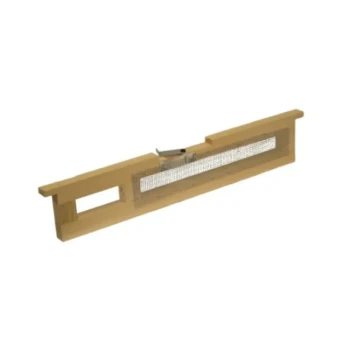
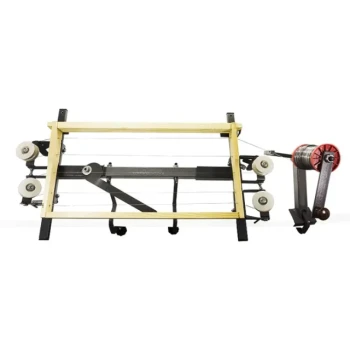
A precision artificial insemination instrument serves as the fundamental control mechanism for honeybee genetics, enabling the targeted injection of semen from specific drones into virgin queen bees. This device replaces the randomness of open-air mating with a deliberate biological transfer, ensuring that the offspring possess a strictly defined genetic lineage.
By eliminating the uncertainties of natural mating, this instrument transforms breeding from a game of chance into a controlled scientific process. It allows for the precise, directional inheritance of critical traits—such as disease resistance—essential for both commercial stability and evolutionary study.
The Mechanics of Genetic Control
Elimination of Mating Uncertainty
In a natural environment, a queen bee mates with multiple drones from various colonies, making it impossible to determine the exact paternity of the brood.
Precision instruments remove this variable entirely.
By physically isolating the queen and injecting her with known genetic material, breeders create a "closed loop" system where the male contribution is 100% verified.
Precise Volume and Mixing
The instrument is designed for high-fidelity measurements, typically allowing for the injection of 8 to 10 μl of semen.
This capability allows breeders to mix semen from specific pedigrees carefully.
This ensures the queen receives the exact volume and genetic diversity required for long-term colony viability without relying on the vagaries of nature.
Strategic Applications in Breeding
Directional Inheritance of Traits
The primary utility of this technology is the ability to introduce specific, desirable genes into a population.
Breeders use this precision to ensure the inheritance of Varroa-resistant genes, such as the Varroa Sensitive Hygiene (VSH) gene.
This strengthens commercial populations against parasites that might otherwise decimate a hive relying on random genetics.
Standardization for Scientific Study
For researchers, variables must be minimized to draw accurate conclusions.
This instrument enables the production of samples with clearly defined genetic backgrounds.
These standardized populations are essential for studying morphological evolution, as they allow scientists to attribute physical changes directly to specific genetic inputs.
Understanding the Trade-offs
The Requirement for Expertise
While powerful, this is not a passive tool; it is designed for use by breeding experts.
The process requires high technical skill to ensure the precise measurement and safe handling of the queen.
Unlike natural mating, which happens spontaneously, this method requires significant manual intervention and biological knowledge.
Dependence on Equipment Calibration
The efficacy of the process is strictly tied to the quality of the hardware.
If the instrument cannot maintain the 8-10 μl precision or if the mechanical operation is flawed, the genetic integrity of the sample is compromised.
Success relies on a combination of high-quality hardware and rigorous operational protocols.
Making the Right Choice for Your Goal
Whether you are managing a commercial apiary or conducting genetic research, the application of this tool depends on your specific objective.
- If your primary focus is Commercial Resilience: Utilize the instrument to introduce and lock in Varroa-resistant traits (VSH) to reduce colony collapse risks.
- If your primary focus is Scientific Research: Leverage the tool to create genetically identical or strictly controlled control groups to isolate variables in morphological studies.
Mastering this technology allows you to dictate the evolution of your apiary rather than reacting to it.
Summary Table:
| Feature | Function in Controlled Breeding | Benefit for Apiaries |
|---|---|---|
| Genetic Isolation | Replaces random mating with verified drone semen | Ensures 100% verified genetic lineage |
| Volume Control | Precise injection of 8-10 μl of semen | Guarantees long-term queen viability |
| Trait Selection | Directional inheritance of specific genes (e.g., VSH) | Enhances resistance to Varroa mites |
| Standardization | Creates samples with defined genetic backgrounds | Enables accurate scientific & morphological study |
Elevate Your Breeding Program with HONESTBEE
Take full control of your apiary’s genetics and secure the future of your colonies. HONESTBEE provides professional-grade beekeeping tools, specialized machinery, and essential consumables designed specifically for commercial apiaries and global distributors.
Whether you need precision hive-making machines, high-efficiency honey-filling lines, or the latest breeding technology to lock in Varroa-resistant traits, we deliver the comprehensive wholesale solutions your business requires to thrive.
Ready to optimize your production and genetic resilience? Contact us today to explore our full equipment portfolio and discover how our expertise can scale your operations.
References
- Tiago Maurício Francoy, David De Jong. Rapid morphological changes in populations of hybrids between Africanized and European honey bees. DOI: 10.4238/2012.september.17.5
This article is also based on technical information from HonestBee Knowledge Base .
Related Products
- Queen Bee Artificial Insemination Instrument Equipment for Instrumental Insemination
- Stainless Steel Beekeeping Queen Grafting Tool for Honey Bee Rearing
- Plastic Beekeeping Honey Bee Larvae Grafting Tools for Queen Rearing and Chinese Grafting
- Plastic Handle Single Row Artificial Fiber Bee Brush
- Double Head Beekeeping Grafting Tools for Beekeepers
People Also Ask
- Why is maintaining sanitary conditions important during artificial insemination? Protect Your Queen from Fatal Infections
- Why are artificial insemination instruments critical in bee hybridization? Master Genetic Control & Pure Breeding
- What is the core value of bee artificial insemination instruments in breed improvement? Achieve Precise Genetic Control
- Why is professional bee artificial insemination equipment considered a core tool for genetic control in honeybee breeding? Ensure 100% Purity
- Why is high-purity CO2 used for queen bee artificial insemination? Unlock Precision Breeding & Faster Egg-Laying