A queen excluder is a precision management tool that significantly enhances honey production by restricting the queen's egg-laying activities, particularly during major nectar flows. By temporarily confining the queen, the colony is forced to shift its focus and resources from energy-intensive brood rearing to the immediate collection and processing of nectar.
Core Takeaway While often viewed simply as a physical barrier to keep honey clean, the queen excluder's most powerful function in increasing yield is resource reallocation. By limiting the queen's ability to lay eggs during peak flows, you eliminate the colony's need to feed larvae, redirecting that energy entirely into storing surplus honey.
The Physiology of Increased Production
Shifting Energy Allocation
The primary mechanism for increasing yield is the reduction of internal energy loss. Raising brood requires massive amounts of food and worker energy.
When the queen is restricted from laying eggs, the colony no longer needs to expend resources on feeding larvae or maintaining brood nest temperatures.
Redirecting Workforce Focus
By halting the production of new brood, the colony's labor force is repurposed.
Bees that would typically serve as nurse bees or heating units are freed up. These resources are redirected entirely toward the collection and processing of nectar, significantly boosting the efficiency of the harvest.
Mechanical Functions and Honey Purity
Zoning the Hive
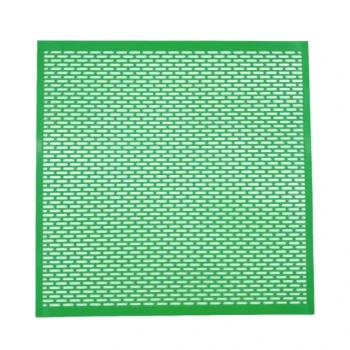
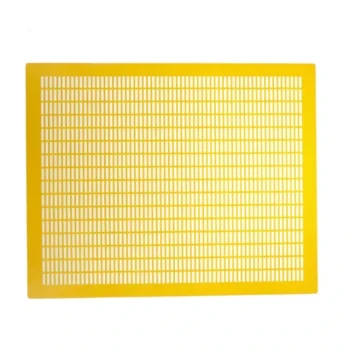
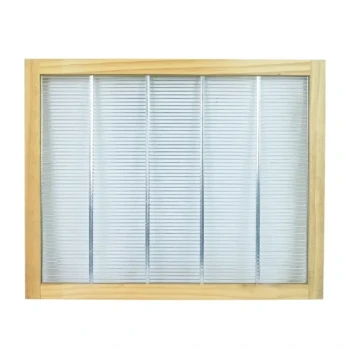
Beyond energy management, the excluder functions as a physical zoning tool. It utilizes a grid with specific gap widths—sized to allow worker bees to pass while blocking the larger queen.
This creates a strict separation between the brood chamber (bottom) and the honey supers (top).
Ensuring Contaminant-Free Harvests
Without an excluder, a prolific queen may move upward and lay eggs in the honey storage frames.
The excluder ensures the harvested honeycomb remains free of larvae and pupae. This guarantees high-purity honey that is commercially valuable and simplifies the extraction process by eliminating the risk of spinning out brood fluids.
Understanding the Trade-offs
The Population Pause
It is critical to understand that using an excluder to restrict laying is a temporary intervention.
By confining the queen to stop egg production, you are effectively pausing the colony's population growth. This creates a surge in honey today but results in fewer emerging bees in the coming weeks.
Timing is Critical
This technique relies on precise timing. If the queen is restricted for too long outside of a major nectar flow, the colony population may dwindle, eventually weakening the hive's long-term viability.
Making the Right Choice for Your Goal
To use a queen excluder effectively, you must align its usage with your specific objectives:
- If your primary focus is Maximum Yield Volume: Restrict the queen specifically during major nectar flows to divert colony energy from brood rearing to honey storage.
- If your primary focus is Honey Purity: Install the excluder between the brood box and supers to physically prevent the queen from laying eggs in your extraction frames.
The queen excluder transforms a biological impulse into a managed production cycle, allowing the beekeeper to dictate whether the hive prioritizes reproduction or stockpiling resources.
Summary Table:
| Feature | Mechanism | Benefit for Honey Production |
|---|---|---|
| Resource Reallocation | Limits egg-laying during peak flows | Redirects energy from feeding larvae to storing honey |
| Workforce Optimization | Frees up nurse bees | Increases the number of active foragers for nectar collection |
| Physical Zoning | Grid-based queen restriction | Keeps honey supers free of larvae and brood contaminants |
| Quality Control | Separation of brood and honey | Ensures high-purity, commercially valuable honey harvest |
Scale Your Honey Production with HONESTBEE
At HONESTBEE, we understand that commercial success in beekeeping requires more than just tools—it requires precision. Whether you are a large-scale commercial apiary or a global distributor, we provide the high-quality queen excluders and honey-processing machinery needed to optimize your yields and ensure product purity.
Our comprehensive wholesale portfolio includes:
- Precision Management Tools: Durable queen excluders and hive-making equipment.
- Industrial Machinery: High-efficiency honey-filling and extraction machines.
- Full-Spectrum Consumables: Every essential for professional apiary maintenance.
Ready to elevate your honey production and streamline your operations? Contact us today to discover how HONESTBEE's specialized hardware and expertise can grow your business.
References
- O. Mischenko, D. Kryvoruchko. Optimum terms of isolation of bee queens for the period of honey collection. DOI: 10.31073/agrovisnyk202303-06
This article is also based on technical information from HonestBee Knowledge Base .
Related Products
- High Performance Plastic Queen Excluder for Beekeeping and Apiary Management
- Lightweight Durable Plastic Queen Excluder Scraper for Beekeeping
- Professional Plastic Queen Excluder for Modern Beekeeping
- Metal Queen Bee Excluder for Beekeeping
- Premium Wood Framed Metal Wire Queen Bee Excluder
People Also Ask
- What are the characteristics of a plastic queen excluder? Key Benefits for Cost-Effective Beekeeping
- What are the operational and cost advantages of using plastic queen excluders over metal or wire excluders in commercial hive management? Discover how they reduce labor, prevent wing damage, and lower total costs.
- What types of queen excluders are available for beekeepers? Choose the Right Tool for Your Hive
- Why are standardized hive frames and queen excluders essential for maintaining honey purity and quality? Scale Your Purity
- Do plastic queen excluders work? A Cost-Effective Solution for Modern Apiaries