The primary function of a smoker is to calm honeybees during hive inspections by masking their alarm pheromones. It operates by releasing a gentle stream of cool, white smoke into the hive, which disrupts the chemical signals bees use to alert the colony to an intruder, thereby preventing them from becoming defensive or agitated.
The smoker is the beekeeper’s primary mechanism for communication control. By neutralizing the colony's "intruder alert" signal, you ensure the safety of the hive and yourself, transforming a potentially volatile inspection into a manageable routine.
The Mechanism of Action
Disrupting Chemical Signals
Honeybees rely heavily on pheromones to communicate danger. When a bee feels threatened, it releases an alarm pheromone that triggers a defensive response in other bees.
The smoke physically masks this scent. Without the clear signal of an intruder, the colony remains in a non-defensive state, allowing you to work without triggering a mass attack.
The "Lulling" Effect
Beyond chemistry, the presence of smoke tends to lull the bees into a docile state. Rather than flying up to defend the hive, they often remain on the combs.
This creates a safer environment where the bees are less likely to sting and more likely to continue their internal activities undisturbed.
Operational Components and Fuel
The Device Architecture
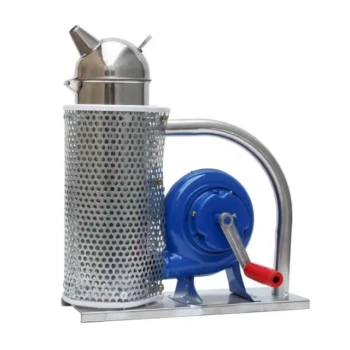
A standard smoker consists of a metal canister (often tin) shaped like a teapot, with an attached bellows or elastic bulb.
The canister holds the burning fuel, while the bellows pump oxygen into the chamber to keep the fire smoldering and force smoke out through the spout.
Selecting the Right Fuel
To generate the necessary "cool, white smoke," you must use materials that smolder slowly rather than burn quickly with an open flame.
Common effective fuels include burlap rags, wood shavings, cardboard, and dry leaves. The goal is a fuel that produces high-volume smoke without high heat.
Best Practices for Application
The Entrance Approach
Before opening the hive, direct a few puffs of smoke into the main entrance.
This acts as a preliminary warning, calming the guard bees at the "front door" before you disrupt the internal structure.
Working the Frames
As you lift the inner cover, apply a gentle stream of smoke across the top of the frames.
If you hear the buzz of agitation rise while working, pause and apply a couple more puffs. Wait a moment for the colony to settle before proceeding.
Masking Stings
If you are stung, the venom releases a potent alarm pheromone that marks you as a target for other bees.
Apply smoke directly to the area of your suit or body where you were stung. This masks the scent marker and prevents further defensive behavior directed at that spot.
Understanding the Trade-offs
The Danger of Heat
The most common error is using smoke that is too hot. If the fuel is flaming rather than smoldering, you risk singeing the bees' wings or burning them.
Always ensure the smoke is "cool" by testing it against your hand before directing it into the hive.
Over-Smoking the Hive
While smoke is a sedative, excessive smoke can be counterproductive. Too much smoke can cause panic or distress within the colony.
Use the minimum amount necessary to stop the buzzing from escalating; usually, a few well-timed puffs are sufficient.
Making the Right Choice for Your Goal
When utilizing a smoker, tailor your approach to your immediate objective:
- If your primary focus is routine inspection: Puff the entrance first to mask pheromones, then gently smoke the frames to keep bees docile on the comb.
- If your primary focus is safety after a sting: immediately smoke the sting site to mask the alarm pheromone and prevent a swarm response.
- If your primary focus is equipment longevity: Use slow-burning fuels like wood shavings or cardboard to maintain a consistent temperature without overheating the canister.
Mastering the smoker is less about fighting the bees and more about disrupting the signals that cause them stress.
Summary Table:
| Aspect | Key Function / Best Practice |
|---|---|
| Primary Goal | Neutralize alarm pheromones and reduce colony defensiveness |
| Mechanism | Disrupts chemical signals and lulls bees into a docile state |
| Ideal Fuel | Burlap, wood shavings, or cardboard (produces cool, white smoke) |
| Application | Start at the entrance, then apply gentle puffs across top frames |
| Safety Check | Test smoke temperature against your hand to avoid singeing bees |
| Post-Sting Action | Smoke the sting site immediately to mask the pheromone target |
Elevate Your Apiary Operations with HONESTBEE
At HONESTBEE, we specialize in empowering commercial apiaries and distributors with high-performance beekeeping solutions. Whether you are scaling production or seeking reliable equipment for your retail portfolio, we provide everything from professional-grade smokers and protective gear to advanced honey-filling machines and hive-making hardware.
Partner with HONESTBEE to access:
- Comprehensive Wholesale Supplies: A full spectrum of tools and industry consumables.
- Industrial Machinery: Precision equipment designed for large-scale honey processing.
- Cultural Merchandise: Unique honey-themed products to diversify your brand.
Ready to enhance your efficiency and colony safety? Contact us today to explore our wholesale catalog and see how our expertise can grow your beekeeping business.
Related Products
- Stainless Steel Honey Bee Smoker Hive and Honeycomb Smoker for Beekeeping
- Miniature Stainless Steel Bee Smoker for Beekeeping
- Professional Bee Smoker with Elongated Spout and Durable Bellows for Beekeeping
- Electric Bee Smoker European Style Bee Hive Smoker for Beekeeping
- Galvanized Beekeeping Smoker for Honey Bee and Apiculture
People Also Ask
- What are bee smokers made out of? Choose the Right Material for Your Apiary
- Why is a stainless steel bee smoker considered indispensable? Master Hive Management with Cool Smoke Technology
- What type of bee smoker is recommended for a beginner? Top Picks for Easy Hive Management
- How do bee smokers and colored light sources work together to assist in night-time honey harvesting? Expert Strategies
- When should you add more fuel to the bee smoker? Watch for This Critical Smoke Signal