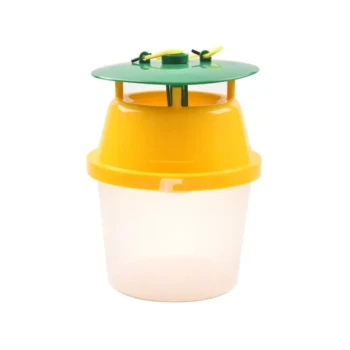
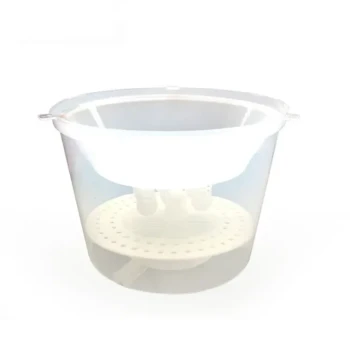
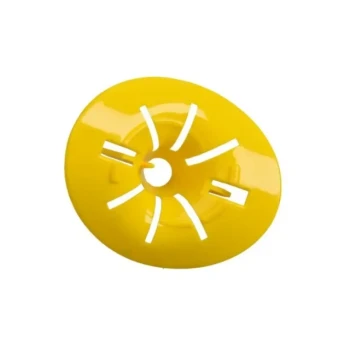
A specialized pollen trap acts as a mechanical harvester installed at the entrance of a beehive. Its primary function is to force returning worker bees to pass through a specific grid structure that gently scrapes pollen loads from their hind legs. Gravity then causes these dislodged pellets to fall into a collection drawer below, automating the extraction process before the pollen ever enters the hive structure.
By mechanically separating pollen at the point of entry, this device serves as the critical hardware link that enables the transition from traditional, manual beekeeping to high-efficiency, industrial-scale pollen production.
The Mechanics of Automated Collection
The Physical Barrier
The core of the device is a physical barrier consisting of a grid with precise apertures. These openings are calibrated to be just large enough for a worker bee to squeeze through, but too narrow to accommodate the pollen baskets attached to their hind legs.
The Stripping Process
As the forager bee enters the hive, the grid edges intercept the pollen loads. This effectively "strips" or scrapes the pellets off the bee without harming the insect.
Gravity-Fed Separation
Once dislodged, the pollen falls immediately into a dedicated tray or collection box located at the bottom of the unit. This ensures the raw material is physically separated from the bees and the hive interior instantly.
Commercial and Industrial Advantages
Enabling High-Yield Production
The primary reference identifies this trap as the "core hardware" for commercial operations. It allows for the mechanization of collection, moving away from labor-intensive traditional methods to a system capable of industrial high-yield output.
Superior Operational Efficiency
Bottom-mounted traps generally cause less interference with bee flight frequency compared to top-mounted alternatives. This allows the colony to maintain a natural foraging rhythm, which is essential for consistent commercial yields.
Raw Material Cleanliness
By catching the pollen immediately upon the bee's return, the trap minimizes contamination. The pollen does not enter the comb or mix with other hive products, ensuring a cleaner raw material suitable for processing into supplements or food products.
Understanding the Trade-offs
Impact on Colony Nutrition
The trap works by intercepting the colony's food source. While effective for production, it typically removes about 50% of the incoming pollen. Overuse can starve the colony of necessary protein.
Drone Restriction
The grid apertures are sized for worker bees. Larger drones cannot pass through the stripping grid. High-quality traps often include a mechanism to slide the grid out or lift it, creating an open entrance for drones and unimpeded traffic when harvesting is not active.
Making the Right Choice for Your Goal
To maximize the utility of a specialized pollen trap, you must balance production goals with biological sustainability.
- If your primary focus is Industrial Yield: Deploy traps specifically during peak foraging hours (typically 6:00 AM to 11:00 AM) to capture the maximum volume of fresh pollen carriers.
- If your primary focus is Colony Health: Ensure the trap allows for periodic unimpeded access (disengaging the grid) so the colony can replenish its own protein reserves and allow drone flight.
- If your primary focus is Product Quality: Utilize bottom-mounted traps to reduce congestion at the entrance and empty the collection drawer frequently to prevent moisture buildup or spoilage.
The specialized pollen trap is not just a collection tool; it is the lever that scales beekeeping into a viable mass-production industry.
Summary Table:
| Feature | Function & Impact |
|---|---|
| Mechanism | Mechanical grid strips pollen from worker bees' hind legs upon entry. |
| Collection | Gravity-fed separation into a bottom drawer, preventing hive contamination. |
| Yield Efficiency | Minimizes flight interference; enables high-volume industrial harvesting. |
| Purity Control | Keeps pollen separate from brood and comb for cleaner, premium-grade output. |
| Colony Management | Includes bypass features for drone flight and nutritional replenishment. |
Scale Your Pollen Production with HONESTBEE Precision Equipment
Transition from manual beekeeping to high-efficiency industrial output with HONESTBEE. As a premier partner for commercial apiaries and global distributors, we provide the full spectrum of professional hardware needed to maximize your yield. From specialized pollen traps and hive-making machinery to advanced honey-filling systems, our comprehensive wholesale offering is designed to optimize every stage of your operation.
Ready to upgrade your apiary infrastructure? Contact HONESTBEE today to explore our wholesale solutions and industry consumables.
References
- Ígor Médici de Mattos, Ademilson Espencer Egea Soares. Differential performance of honey bee colonies selected for bee-pollen production through instrumental insemination and free-mating technique. DOI: 10.1590/1678-4162-8875
This article is also based on technical information from HonestBee Knowledge Base .
Related Products
- 30 cm Plastic Entrance Hole Bee Pollen Trap and Collector
- Removable Plastic Pollen Trap With Ventilated Tray for Bees Pollen Collector
- Plastic Bee Pollen Trap Strips Comb Catcher Collector
- High-Efficiency Diamond Maze Bee Escape for Clearing Supers
- HONESTBEE Professional Telescopic Pole Bee Swarm Catcher
People Also Ask
- What are the design principles and advantages of pollen traps in the collection of bee pollen? Boost Your Apiary Yield
- Why is frequent harvesting of bee pollen from traps necessary for quality control? Ensure Freshness and Prevent Mold.
- How often should bee pollen be harvested from a trap and why? Master Freshness and Prevent Spoilage
- What function do pollen traps serve in quantitative collection? Boost Your Apiary's Data & Production Efficiency
- What is the primary function of bee pollen traps? Optimize Your Pollen Harvest with Advanced Extraction Efficiency