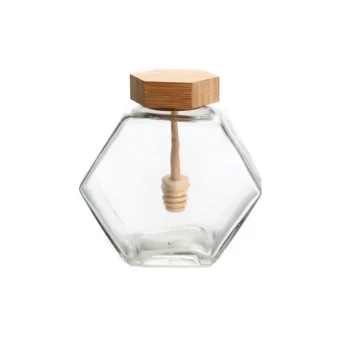
A wooden observation hive with a glass lid functions as a specialized non-intrusive interface for monitoring the complex internal life of a honeybee colony. It allows researchers and beekeepers to conduct real-time recording of nest construction and social interactions without disrupting the colony's daily rhythms. By combining robust wooden structure with transparent viewing access, the device maintains the specific temperature and humidity conditions required for bee survival while providing clear visual access.
This equipment serves as the core hardware foundation for long-term behavioral monitoring, bridging the gap between rigorous data collection and the biological need for an undisturbed hive environment.
Facilitating Non-Intrusive Research
The primary function of this hive configuration is to solve the observer's paradox: how to watch a colony without changing its behavior by opening the roof.
Preserving the Colony Microclimate
Bees are highly sensitive to environmental changes. A standard inspection exposes the colony to outside air, fluctuating temperatures, and light.
The wooden components of the observation hive provide necessary insulation and structure.
Simultaneously, the glass lid seals the environment, ensuring that the natural temperature and humidity requirements of the colony are strictly met even during observation.
Enabling Real-Time Behavioral Analysis
For behavioral researchers, the ability to see inside the nest continuously is critical.
This setup facilitates the manual monitoring of intricate behaviors that are usually hidden.
Researchers can document complex internal nest construction and the subtle interactions between worker bees as they happen, rather than inferring them later from a disturbed hive.
Operational Considerations and Trade-offs
While the observation hive is powerful, it is a specialized tool that balances visibility against insulation.
Balancing Visibility with Insulation
The use of a transparent glass lid is essential for monitoring, but glass has different thermal properties than wood.
The design must carefully integrate the wooden structure to compensate for the glass, ensuring the colony does not expend excessive energy regulating its temperature.
This balance allows the hive to serve as a stable foundation for long-term studies, rather than just a temporary viewing window.
Making the Right Choice for Your Goal
Selecting the correct hive type depends entirely on the specific data you intend to collect.
- If your primary focus is internal behavior and social interaction: Choose the wooden observation hive with a glass lid to monitor nest construction and worker interactions without disturbing the colony.
- If your primary focus is foraging rhythms or population counts: Choose a modern standard beehive, which ensures uniform experimental conditions and allows for standard auxiliary equipment like pollen traps.
By selecting the hardware that aligns with your specific research questions, you ensure the integrity of your data and the health of your subjects.
Summary Table:
| Feature | Function in Observation Hive | Benefit for Research/Beekeeping |
|---|---|---|
| Wooden Structure | Provides thermal insulation and structural integrity | Maintains microclimate & mimics natural hive conditions |
| Glass Lid | Enables transparent visual access without opening the hive | Prevents the observer's paradox; reduces colony stress |
| Sealed Environment | Regulates temperature and humidity levels | Ensures long-term colony survival during monitoring |
| Non-Intrusive Design | Facilitates continuous real-time recording | Allows documentation of nest construction & social interactions |
Elevate Your Beekeeping Operations with HONESTBEE
Are you looking to scale your commercial apiary or expand your distribution portfolio? HONESTBEE is your dedicated partner, providing a comprehensive wholesale range of high-quality beekeeping tools, machinery, and essential industry consumables.
From specialized hardware like hive-making and honey-filling machines to expert-grade observation hives and honey-themed cultural merchandise, we deliver the tools you need to succeed in the modern beekeeping market. Our solutions are tailored for commercial apiaries and distributors who demand durability, precision, and value.
Ready to upgrade your equipment? Contact us today to discuss your wholesale needs and see how our expertise can grow your business.
References
- Geisyane Franco da Luz, José Éduardo Serrão. Auxiliary brood cell construction in nests of the stingless bee Plebeia lucii (Apidae: Meliponini). DOI: 10.1007/s13592-017-0513-7
This article is also based on technical information from HonestBee Knowledge Base .
Related Products
- Hexagonal Glass Honey Jar with Wooden Lid Integrated Dipper Elegant Functional Storage
- Wholesales Dadant Size Wooden Bee Hives for Beekeeping
- Wooden Bee Hive Frames for Beekeeping and Wholesale
- Acrylic Lid Beekeeping Honey Extractor for Beekeepers
- HONESTBEE Premium Italian Style Hive Tool with Hardwood Handle
People Also Ask
- What are the benefits of glass jars regarding strength and safety for storing honey? Ensure Purity and Long-Term Quality
- What are the advantages of using glass jars for honey storage? Ensure Purity and Premium Appeal for Your Product
- What is the aesthetic appeal of using glass jars for honey? Elevate Your Brand with Premium Packaging
- What are the advantages of glass containers for honey? Elevate Quality and Market Value with Premium Packaging
- What are the benefits of using high-transparency Glass Jars for honey? Elevate Purity and Premium Branding